 Kostenloser Versand ab 50 Euro
 500.000+ zufriedene Kunden
 TÜV-ShopIdent geprüft
 30 Tage Geld-zurück-Garantie

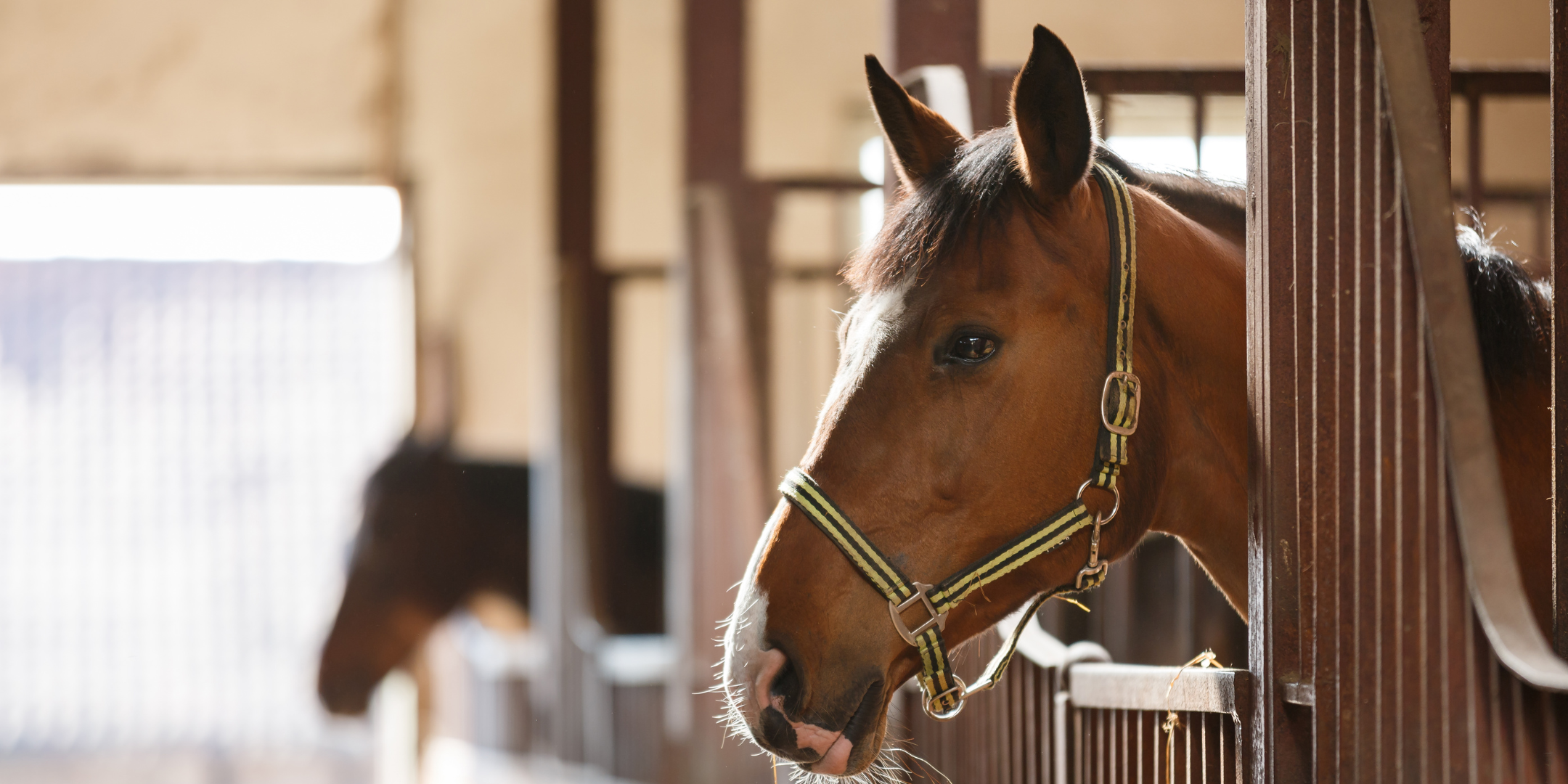
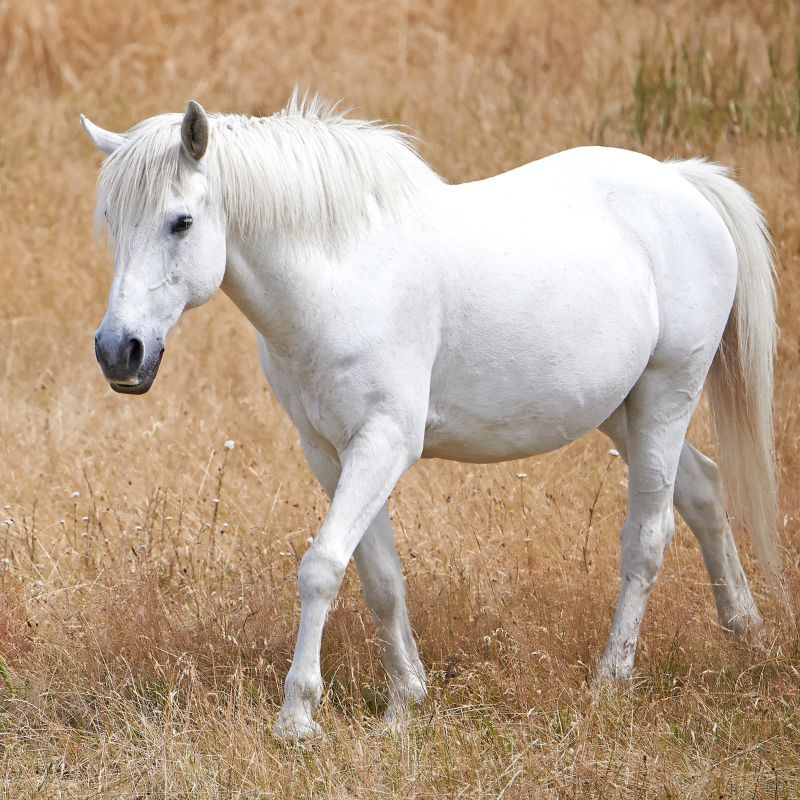
Why a well-fitted saddle is so important
A well-fitting saddle is more than just comfort – it protects your horse's health and joy of movement.
In this guide, you will learn:
- How to recognise a well-fitting saddle
- Which steps to consider during the fitting process
- When you need professional help
- What modern tools (e.g., cameras) can contribute
💡 Tip: There are hidden costs that are often underestimated – so always plan for a financial buffer!
🐎 First Clues – How do I recognize a suitable saddle?
5 signs of a well-fitting saddle
- Even contact of the saddle panel with the horse's back
- Sufficient wither clearance (approx. 2-3 fingers wide)
- No tipping or slipping while riding
- No pressure on the shoulder blade or spine
- The horse moves freely, swings its back, and shows no defensive reactions
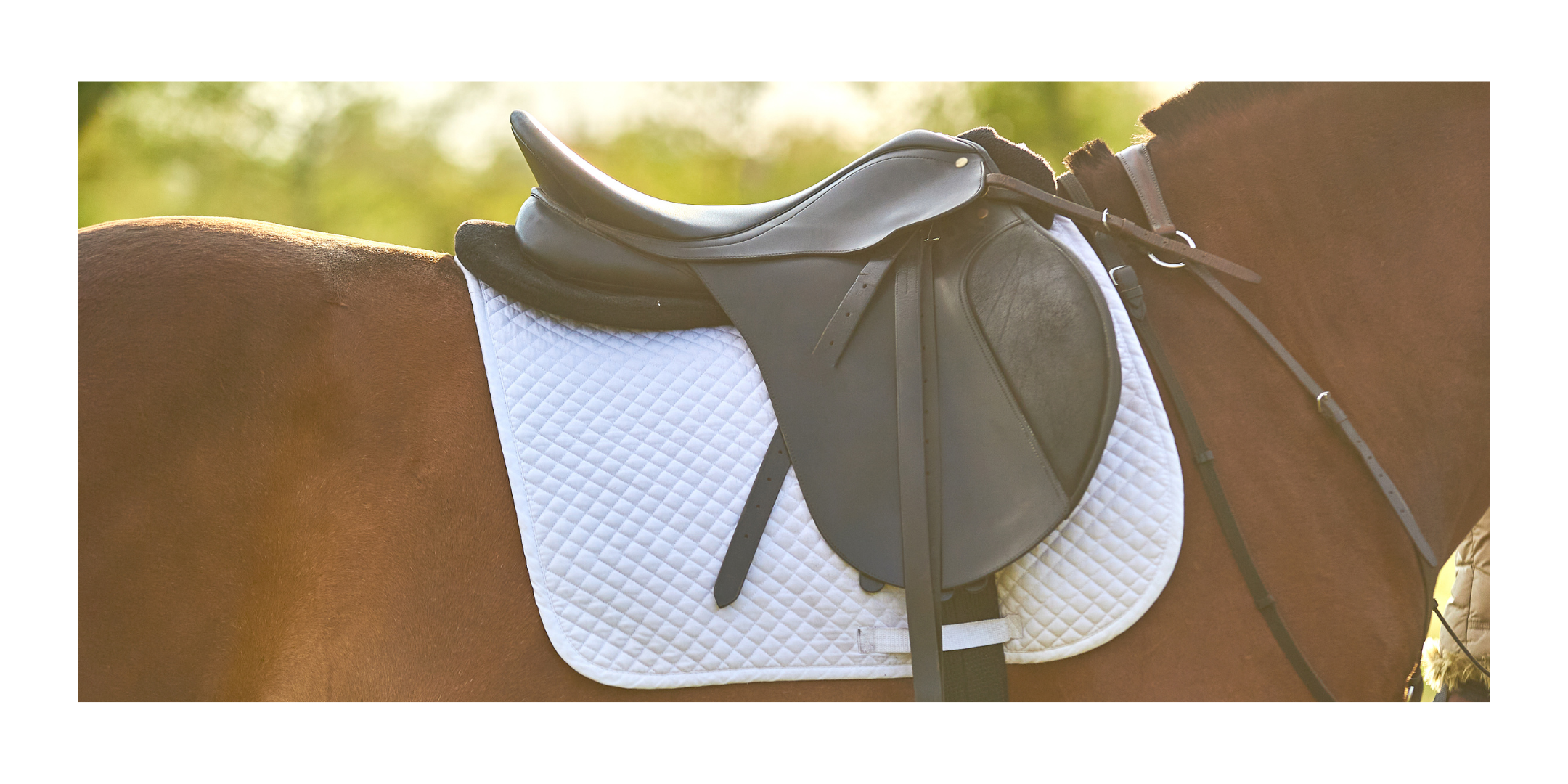
🩵 Saddle fitting made easy
Here's how to do it:
1. Position the horse correctly – Straight, relaxed, level.
2. Place the saddle (without a pad) – Place it directly on the back, push it slightly forward, and let it slide back.
3. Check for wither clearance – There should be 2–3 fingers' width between the saddle and the wither.
4. Check gullet width position – The saddle must not press on the shoulder blade.
5. Check for even fit – Is the lateral and rear contact even? No bridging?
6. Observe movement – At walk, trot, canter: Does the horse appear relaxed? No tail swishing or bucking?
Why a surveillance camera makes sense...
Even when you're not there, you can keep an eye on your horse. A smart stable camera helps you to monitor your horse at all times.
For example:
- Early detection of illnesses based on the horse's behavior, e.g., colic symptoms
- Direct overview for the vet to be able to act quickly
🧰 What belongs in a first-aid kit for horses?
A well-equipped emergency kit is a must-have for every stable or horse trailer. The following items should be included:
- Digital thermometer
- Bandages (various sizes)
- Disinfectant
- Scissors, tweezers, disposable gloves
- Wound ointment & zinc paste
- A cold pack (preferably self-activating)
- Emergency numbers (vet, clinic, transport)
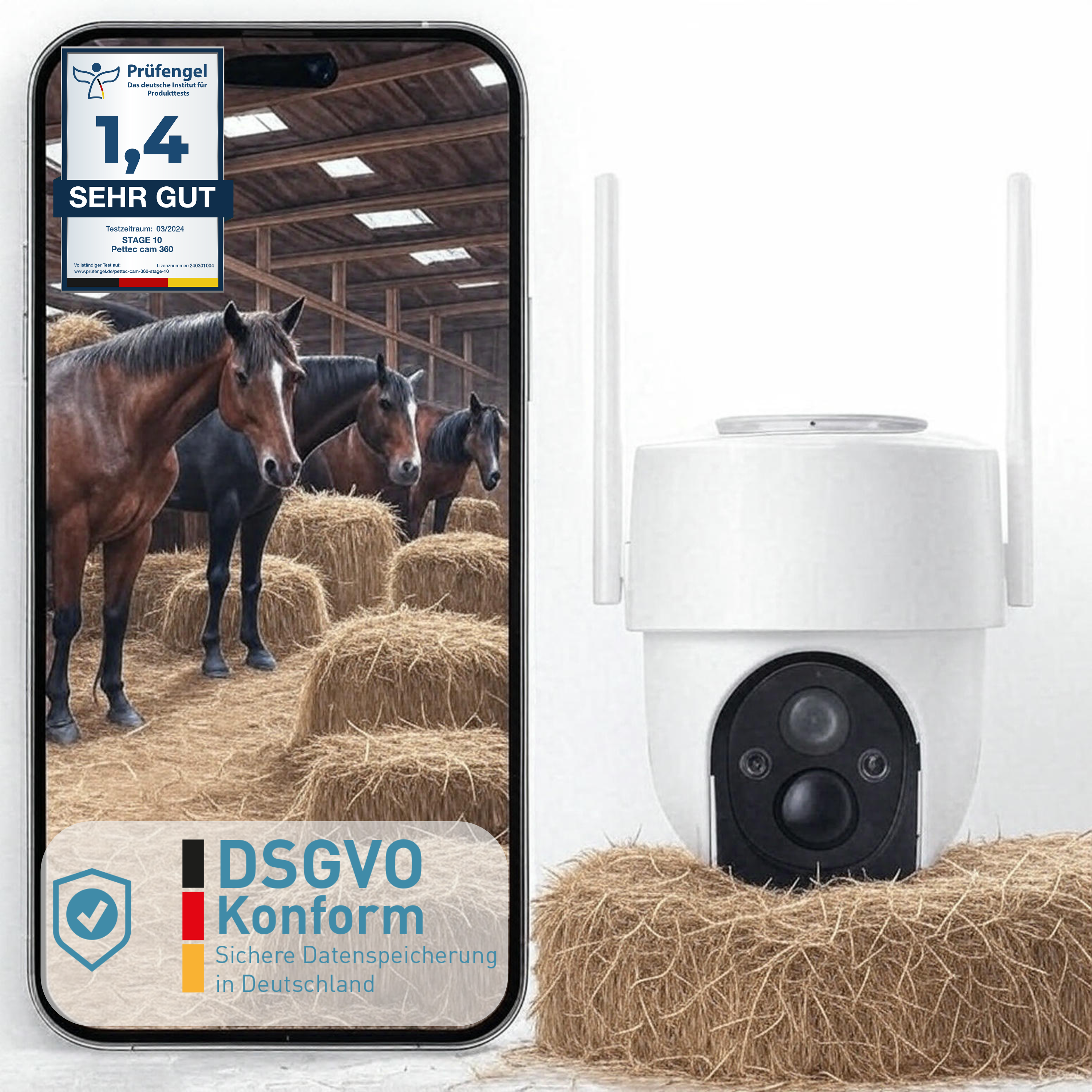
Prevention instead of Treatment – with Smart Stable Monitoring
Despite the best preparation, you can't always be in the stable around the clock. Modern technology can help:
The advantages of the PetTec stable camera:
✔️ Motion detection – recognize suspicious activities before they become critical
✔️ Live transmission – view the stable from anywhere via app
✔️ Night vision function – keep an eye on everything, even in the dark
✔️ Two-way communication – your horse hears your voice
✔️ Easy installation & weatherproof
Easily usable via our PetTec App & without Wi-Fi.
Still have questions?
Perhaps you'll find what you're looking for here...
Colic is one of the most common emergencies in horses. Stay calm, call the vet immediately, and avoid moving the horse unnecessarily. Only lead it if it remains calm. A camera in the stable can help detect early signs such as restlessness or frequent lying down.
Horses often show pain through:
- Restlessness, sweating, loss of appetite
- Pawing, flehmen, frequent turning around
- Atypical movements or postures
A stable camera with motion detection can help to capture these signs even in your absence.
Whenever you are unsure – it is better to be safe than sorry. Especially in cases of suspected colic, severe bleeding, fever, or lameness, professional help should be sought immediately. Tip: You can already convey initial impressions to the vet via a livestream from the stable camera.