 Kostenloser Versand ab 50 Euro
 500.000+ zufriedene Kunden
 TÜV-ShopIdent geprüft
 30 Tage Geld-zurück-Garantie


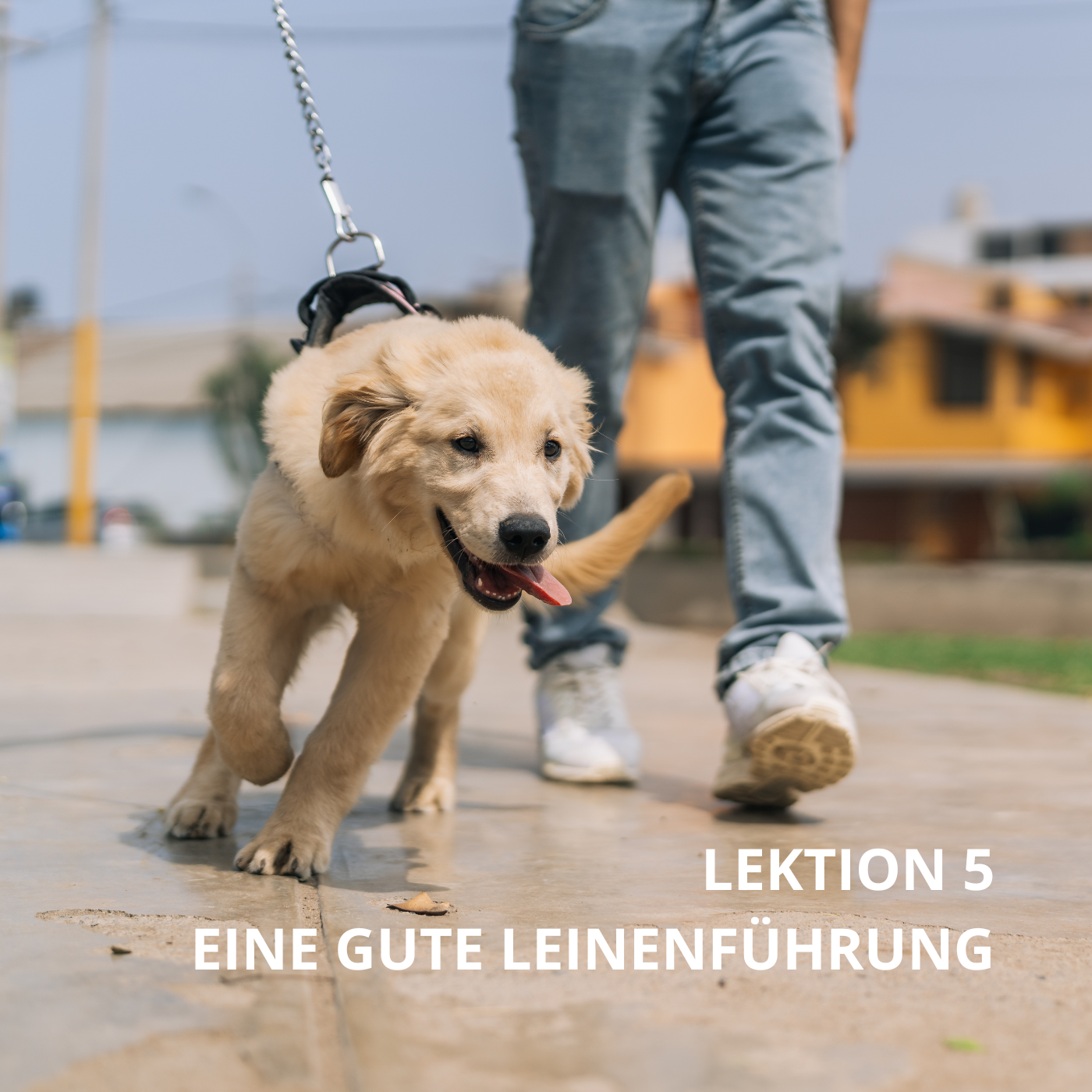
Leash handling
Does your dog pull on the leash? Does every walk turn into a difficult endeavor? Then you should train leash manners with him – and do it very consistently. Do you keep thinking: nothing helps? But that's not true.
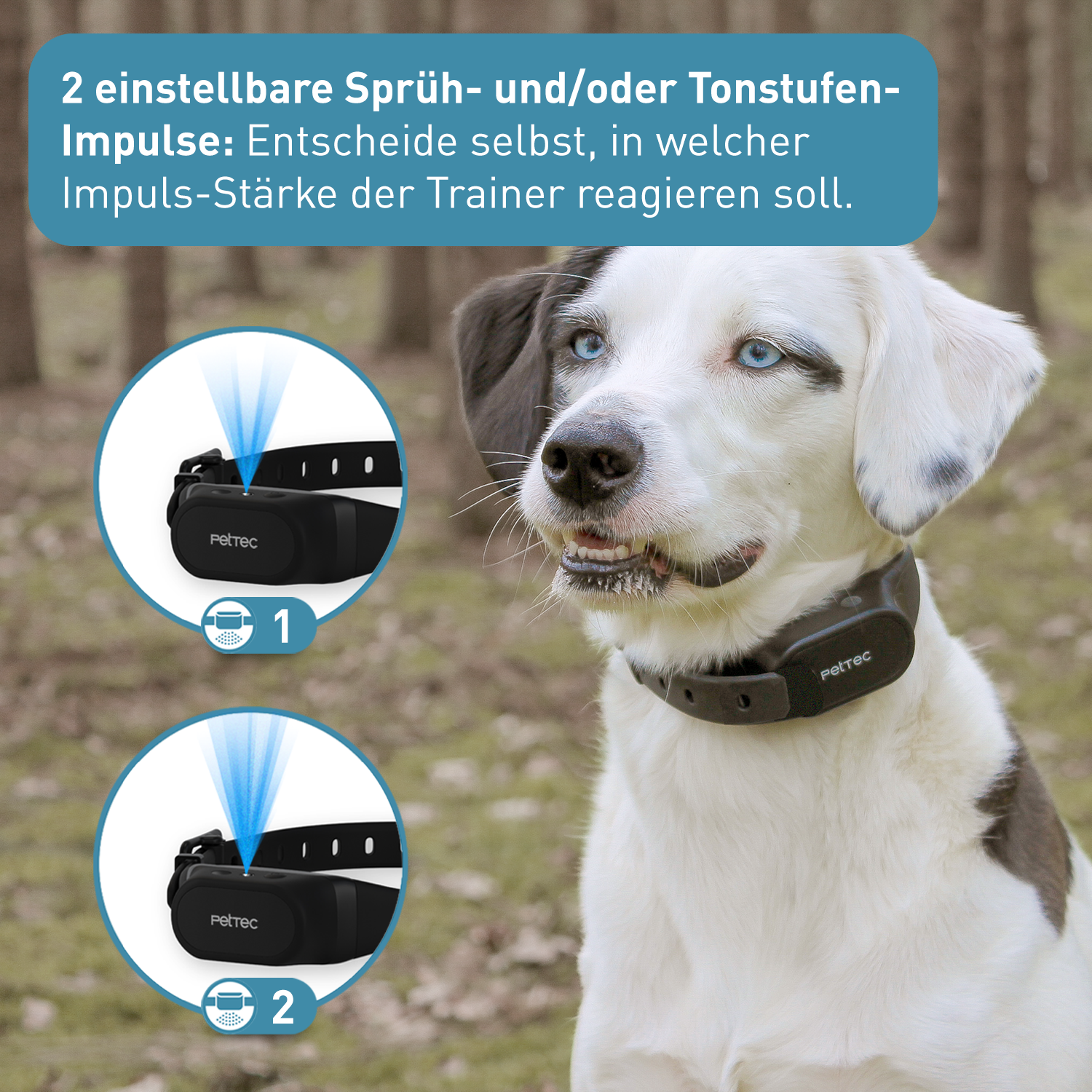
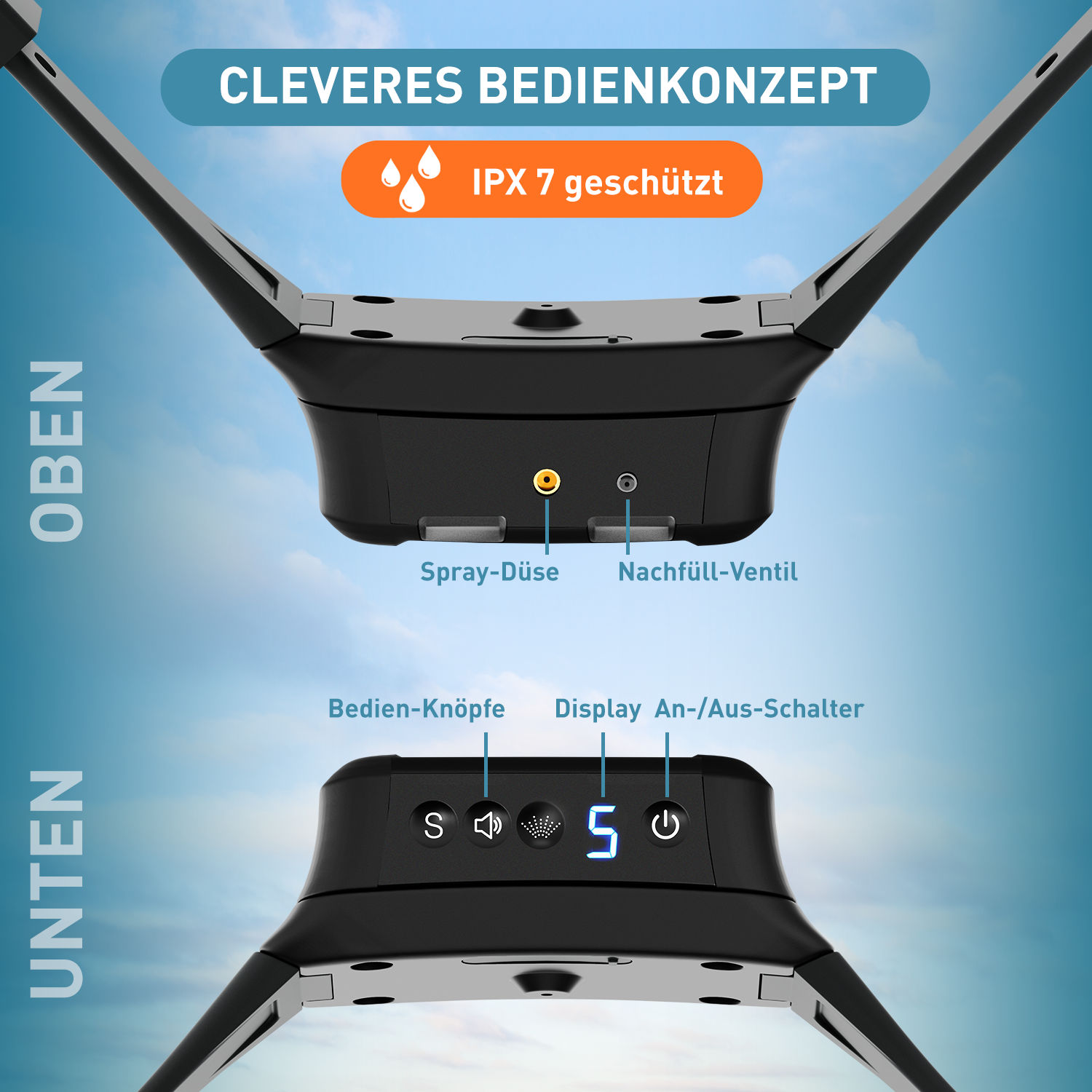
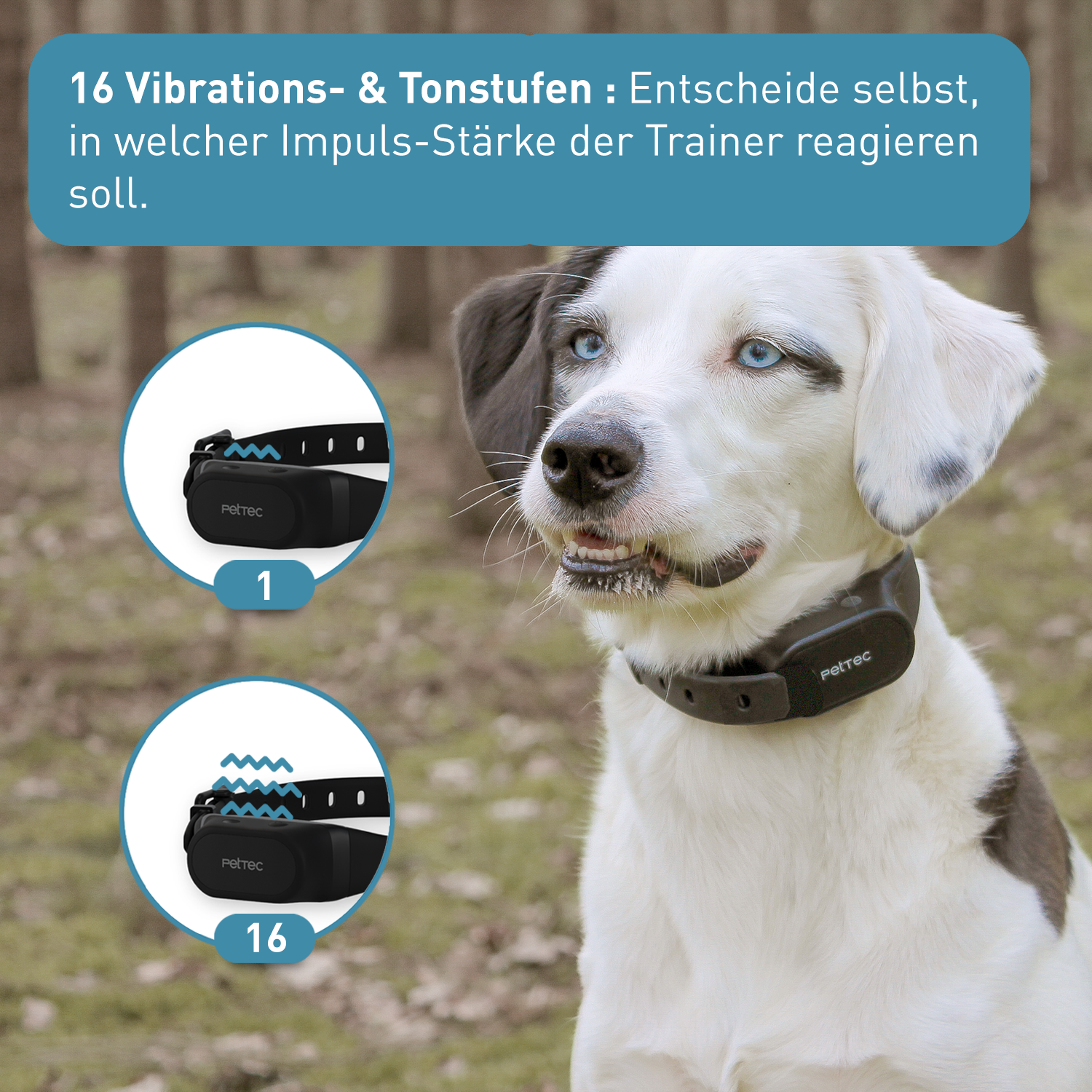
Because there are tools that can help you teach your dog to walk on a leash easily and comfortably. However, consistent training will still be necessary.
🦮 Leash Training Your Canine Friend
Your dog is more than just a pet – he's your friend, your companion, and an important part of your life. And as with any good friendship, we naturally want to take good care of him. One of the most important skills you can teach your four-legged friend is leash walking. This will make your shared walks a pleasant experience for both of you.

1. Preparation 💡
Choose the right leash and collar: There are many types of leashes and collars on the market. To start, I recommend a sturdy, not too long leash and a well-fitting collar.
Acclimation:
Before you even begin training, let your dog sniff the collar and leash. Give him a treat when he sniffs them to build positive associations.
2. Basics in a Quiet Environment 🌳
Start training in a quiet environment, such as your living room. This helps minimize distractions.
Determine a fixed position:
Before you start, decide which side of your body you want your dog to walk on – usually the left side. This will be his fixed place.
First steps:
Hold the leash loosely in your hand and call your dog to you. When he is by your side, give him a treat and praise. Take a few steps and praise your dog every time he stays by your side.
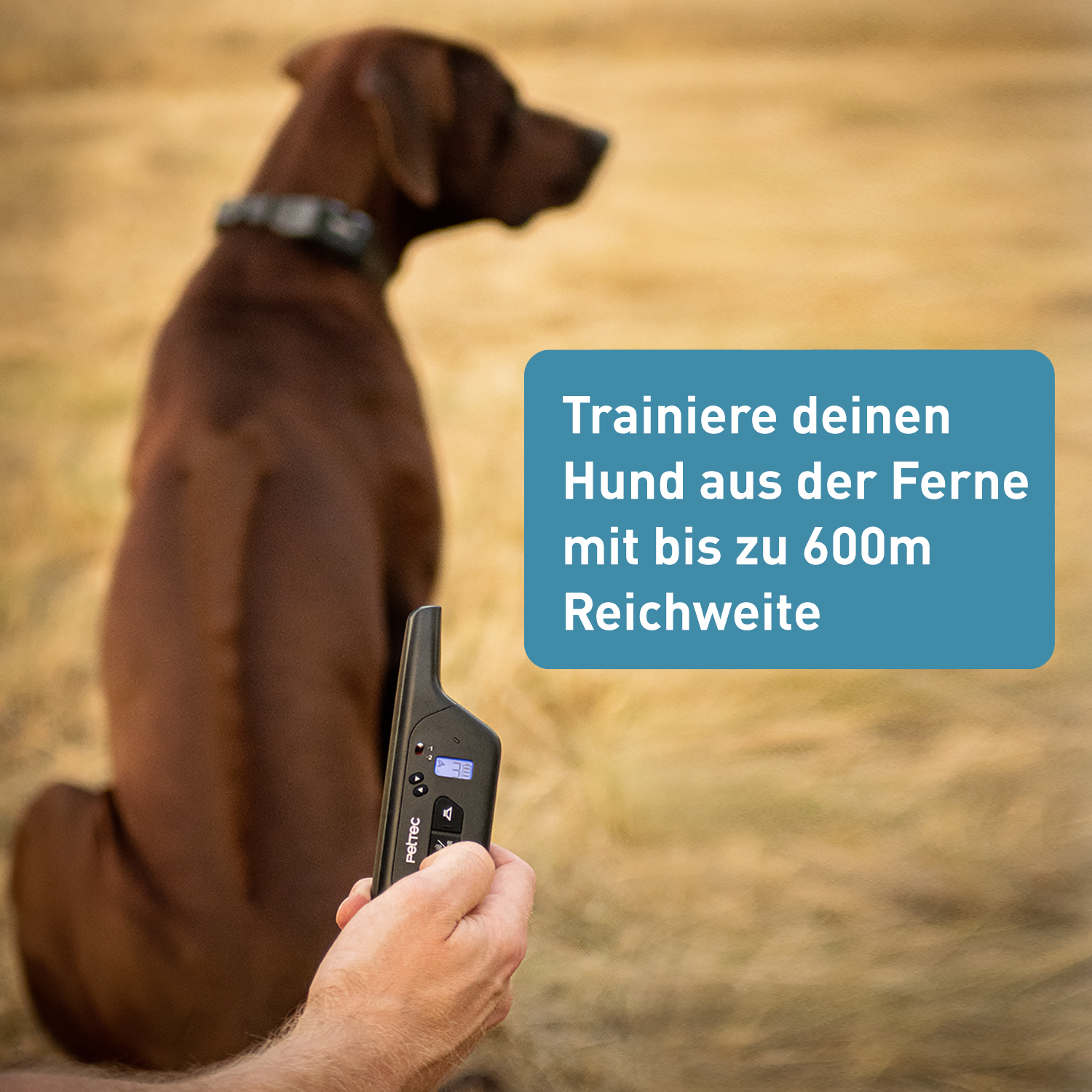
Helpers for You and Your Dog




3. Consistency and Patience 🙏🏽
Consistency is key. If your dog pulls, stop immediately. Don't move forward until he comes back to you and the leash is loose again.
If he overtakes you or pulls too much, turn in the opposite direction and keep walking. This shows him that he should follow you and not run ahead or pull.
4. Rewards 🦴
Always reward your dog when he does something correctly. If he walks nicely by your side on the leash, give him a treat now and then and offer words of praise.
5. Distractions 🎾
Once your dog understands the basics, gradually add more distractions. Go to busier areas or invite friends with their dogs. Each time your dog gets distracted but then returns to you and walks correctly on the leash, reward him.
6. Body Language and Voice 🎤
Dogs are very good at reading our body language and moods. Use a calm, firm voice to give commands. Be confident but patient. If you're frustrated, take a break. Remember that training takes time and patience.
7. Avoid Common Mistakes 📌
❌ Pulling on the leash:
This only reinforces the dog's pulling behavior.
❌ Too many treats:
Reward in moderation and try to gradually reduce the rewards.
❌ Inconsistency:
If you allow him to pull today and not tomorrow, your dog will be confused.
✅ Conclusion
Walking on a leash is not only important for your dog's safety, but it also allows you to enjoy relaxed walks together.
As with everything in life, it takes patience, understanding, and love to teach your four-legged friend how it's done. Stay consistent, reward positive behavior, and remember that your goal is a harmonious coexistence. Your dog wants to please you, and with your help, they will soon be walking on a leash as if they've never done anything else.