 Kostenloser Versand ab 50 Euro
 500.000+ zufriedene Kunden
 TÜV-ShopIdent geprüft
 30 Tage Geld-zurück-Garantie


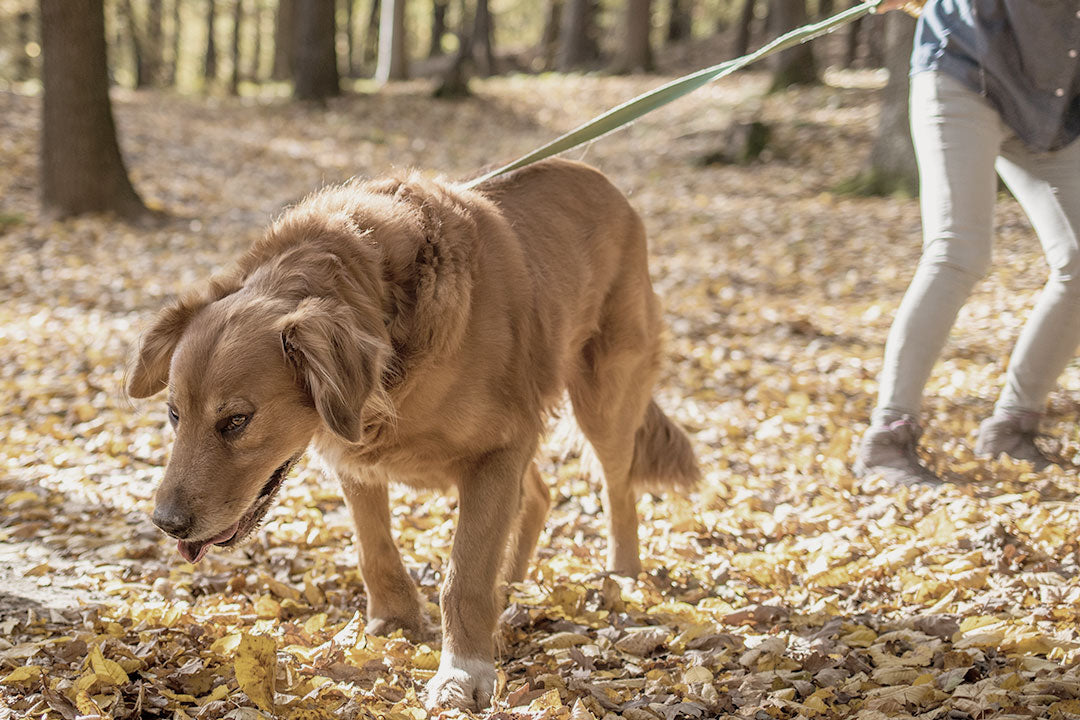
Dog Pulling on Leash - What to Do?
Is your dog pulling on the leash? Does every walk turn into a struggle? Then you should train him to walk nicely on a leash – and be very consistent about it. Do you often think: nothing helps? But that's not true. There are tools that can help you teach your dog to walk on a leash easily and comfortably. However, consistent training will still be essential.
At a Glance:
- You are not alone with this problem
- You can practice leash training
- Dogs are territorial and social animals. They often feel restricted by the leash.
- With patience and training, you can break your dog's pulling habit
Scroll down to find out all the tips…

Typical Problems with Dogs What are the typical problems with dogs – and how can you solve them? In our guide, we have prepared a comprehensive overview for you.
Solving typical dog problems ->
The author:
Annegret Ulrich
As a certified expert in handling and training dogs, Annegret Ulrich has many years of experience with various canines. In addition, the author and dog lover provides tips on her own dog assistance portal.
Reading time: 5 minutes
What if the dog pulls on the leash
If you think you're alone with this problem, you're mistaken. There are numerous dog owners who also "struggle" with a dog that constantly pulls on the leash. Your dog constantly pulls on the leash, and this can turn a walk into an ordeal. Such a walk is not only incredibly strenuous for you but also for your four-legged friend.
Your dog constantly pulls on the leash, and he doesn't do it without reason. If you understand your dog's nature, you can better understand why he pulls on the leash. However, this does not mean that you should tolerate this behavior. But with a certain background knowledge, it's easier to live with such a problem, and solutions can be found again.
Dogs are social and territorial animals. This means they always want to have their surroundings in view – or rather – in their nose. Your dog wants to gather information about new rivals in his environment. And for that, he perceives the scent marks in the surroundings. This can sometimes unnerve your four-legged friend. And that's why he pulls on the leash out of excitement.
With the leash, however, your dog feels restricted in his activity. And that's why he only wants one thing – to get away. And that's where the vicious circle begins to open up. While your dog pulls on the leash, you try everything to prevent it. This, in turn, intensifies the pulling compulsion in your four-legged friend.
If you don't offer your dog enough exercise, it can also lead to pulling on the leash. Your dog needs movement; it's simply in his nature. And if he's not offered it, he'll make it clear to you in his own way that it's time for him to be challenged again, for him to move. Consider whether your dog has had enough exercise recently, or if that could be a reason for pulling on the leash.
Teaching a dog not to pull on the leash
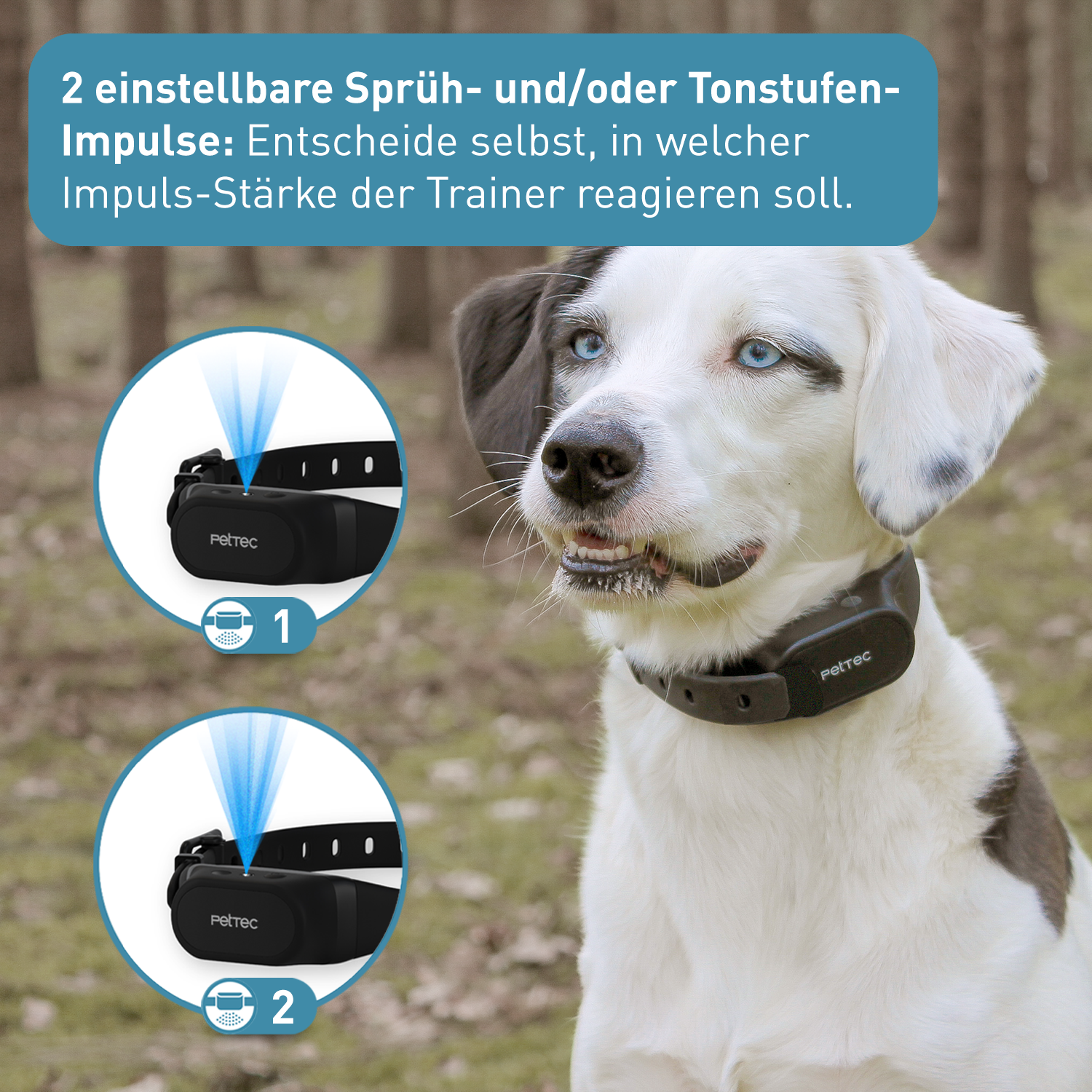
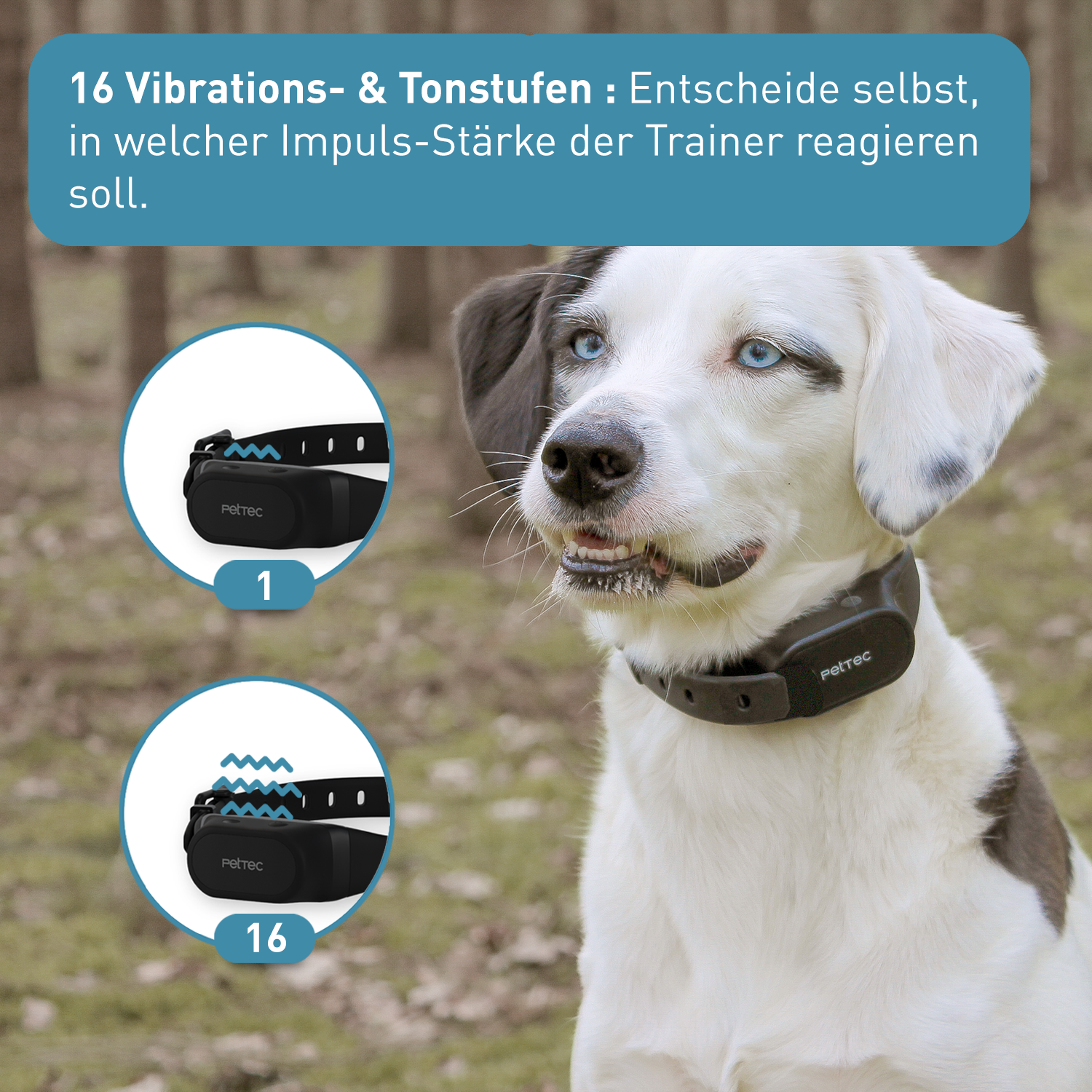
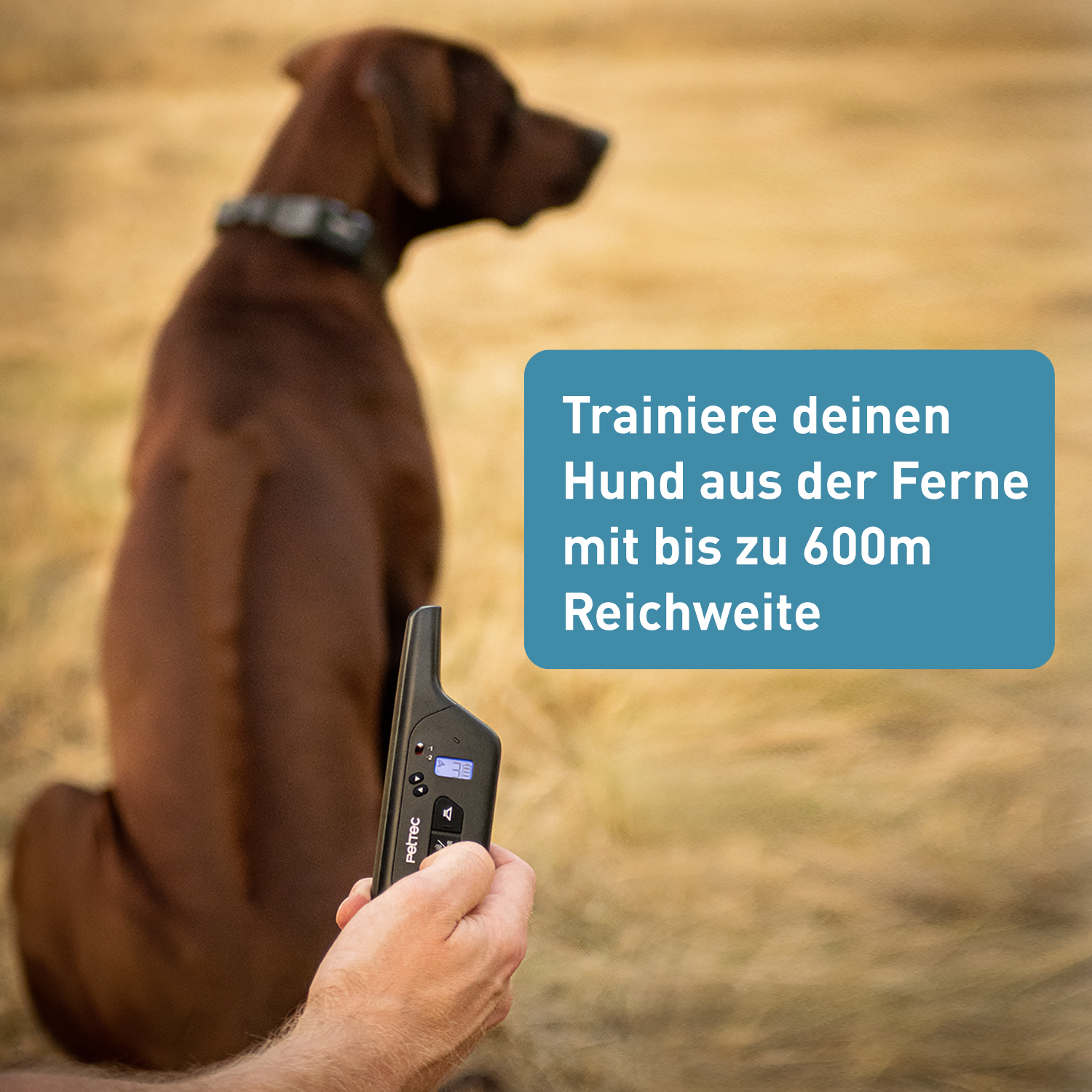
These trainers help you stop leash pulling
Our products help you and your four-legged friends unlearn leash pulling.







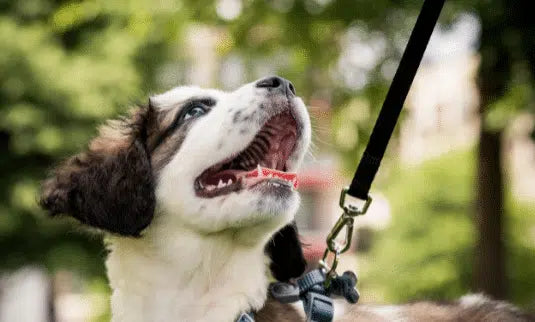
5 Tips for Stopping Leash Pulling
Do you think nothing helps when it comes to leash pulling? If you want to break your dog of pulling, you need to approach it with consistent training. Don't lose patience, and above all, stick with it.
- When working with your dog, use rewards, not punishment. Make sure you always have a small treat with you. This way, you can attract your dog's attention. Give your furry friend commands. As soon as he responds to you, you can give him a reward. You'll see that your dog will soon follow you even without a reward, and without pulling on the leash.
- Practicing leash training is very simple. Make the walk exciting. Constantly think of new paths you can take with your dog. Give your dog your full attention. If your dog notices that you're not paying attention, he tends to pull on the leash. Practice leash training in a calm environment. Ideally, walk through your apartment with your dog first to practice the basic commands with him. This training is easier if you reward your furry friend with a treat occasionally.
- You should train your dog with the right harness and a suitable leash. Tight collars that constrict the neck by pulling can become a stress factor for your dog. If you choose a collar, it should be wide. Ideally, your dog should be equipped with a so-called chest harness for leash training. This way, you not only have a firm grip on your furry friend. With firm pulling on your part, there is no unpleasant feeling around the neck. However, large dogs can develop more strength when wearing a chest harness. For training, you should also choose a roughly 2 meter long tracking leash. A retractable leash is not advisable, as your dog should already be proficient in leash training for this type of leash.
Here you can find PetTec leashes. - Continuously change direction. If you notice that your dog is pulling on the leash again, change direction. Pull firmly on the leash when changing direction, but make sure it doesn't become a tug-of-war. As soon as your furry friend overtakes you and pulls on the leash again, repeat the process.
- You're walking your furry friend. The dog pulls on the leash, stop immediately. Don't pay attention to your dog and look in another direction. Only call your dog to you and reward him when he stops pulling on the leash.
To avoid frustration, it's also important to have a comfortable leash in your hand. A good leash shouldn't cause chafing or similar issues on your hand. We recommend our Vegan Leashes for this purpose.
Other Common Dog Problems
1: Dog barks constantly
Loud and often non-stop. If your dog barks constantly, there are solutions. Read our guide now.
Dog barks constantly >2: Dog pulling on leash
Your dog constantly pulls on the leash during walks? We'll give you tips on how to fix this problem.
Dog pulls on leash >3: Dog doesn't respond to recall
You want to call your dog back while out and about or on a walk – but he doesn't listen? Then read these tips from us.
Dog not listening >4: Dog jumps on people
Visitors are coming or people are approaching you and your dog jumps on them? You can avoid this. With our short training tips:
Dog jumps at people >