 Kostenloser Versand ab 50 Euro
 500.000+ zufriedene Kunden
 TÜV-ShopIdent geprüft
 30 Tage Geld-zurück-Garantie


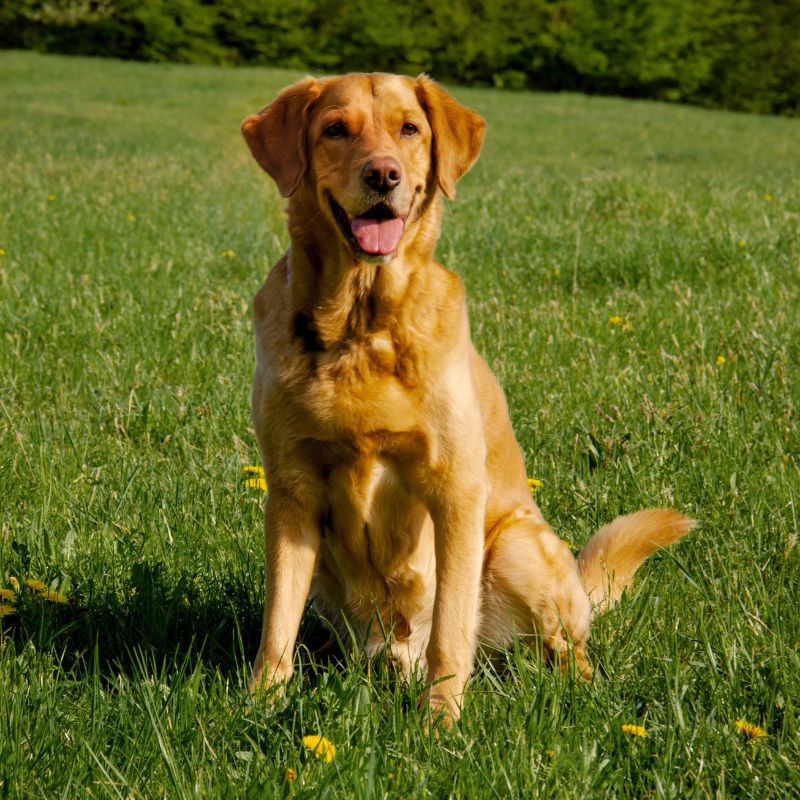
Impulse Control in Dogs -
Training Action and Emotional Control
Does your dog listen perfectly – until the doorbell rings, a jogger runs past, or a deer crosses your path? Impulse control is one of the most important training units so that you can rely on your companion anytime, anywhere.
It is an intensive training that requires a lot of patience. But success will come and reward you for your efforts.
📌 At a glance:
- Impulse control as a foundation
- Start training as early as possible and continue it permanently
- Lack of impulse control is a risk for both dog and owner
- Praise & treats as a reward for good behavior as motivation
Scroll down to find out all the tips…
Definition: Impulse Control in Dogs
Impulse control means that your dog learns that and how to control its emotions and actions. This training forms the basis for further training units, such as reliable recall, controlling the prey drive, and dependable waiting. Impulse control in dogs enables harmonious coexistence, as you can only rely on a relaxed dog that follows you. Dogs that can "control themselves" are manageable in all situations and respond reliably to every recall – even in tricky situations.
What impulses are there?
Emotions manifest in dogs in various ways. Like us humans, these four-legged friends can have different impulses:
- Joy
- Sorrow
- Anger
- Love
- Fear

Does your four-legged friend jump at visitors, does he tremble with excitement as soon as you pick up the leash, or does he play so wildly that the dogs in your neighborhood are literally afraid of him?
Then you should check whether there is a genetic, health-related, or learned impulse control disorder. The fact is that your dog is not in control of himself and that you need to do something to redirect this undesirable behavior. In most cases, the problem behavior is caused by an interaction of several factors.
❓Do you pet your nervous dog or put his food in front of him when he spins around excitedly?
Then you are rewarding the impulsive behavior instead of training your dog to get his food when he has calmed down on his own.
What is consistency:
Clearly defined rules, creating a comfortable space for the dog, what the dog is allowed and not allowed to do. For example, many dogs are not allowed on the couch…
✅ 3 Exercises for Lack of Impulse Control
With patience and daily training sessions, your dog will learn impulse control. There are various exercises you can use:
Food Hand (Your hand, a treat, patience)
Redirecting Expectations with the "Heel" Command (Long leash, favorite toy, large open area)
Flirt Pole + Stay (Create distraction with favorite toy on a string, reward staying calm)
The "Food Hand" works for most dogs who "drop everything" for a treat. This is the easiest of the impulse control exercises and therefore an optimal start. If your dog masters basic commands, which include "Stay," you can begin with a more difficult exercise and redirect expectations with the "Heel" command. You are still practicing in a low-distraction environment. This only changes with the third control exercise, which you carry out with a "flirt pole" or your four-legged friend's favorite ball.
The Goal:
To give your dog security and guide its behavior in the desired direction. Food rewards are crucial, as they always lead to success. Impulsive dogs have an increased risk of accidents and can certainly bring you into disrepute.
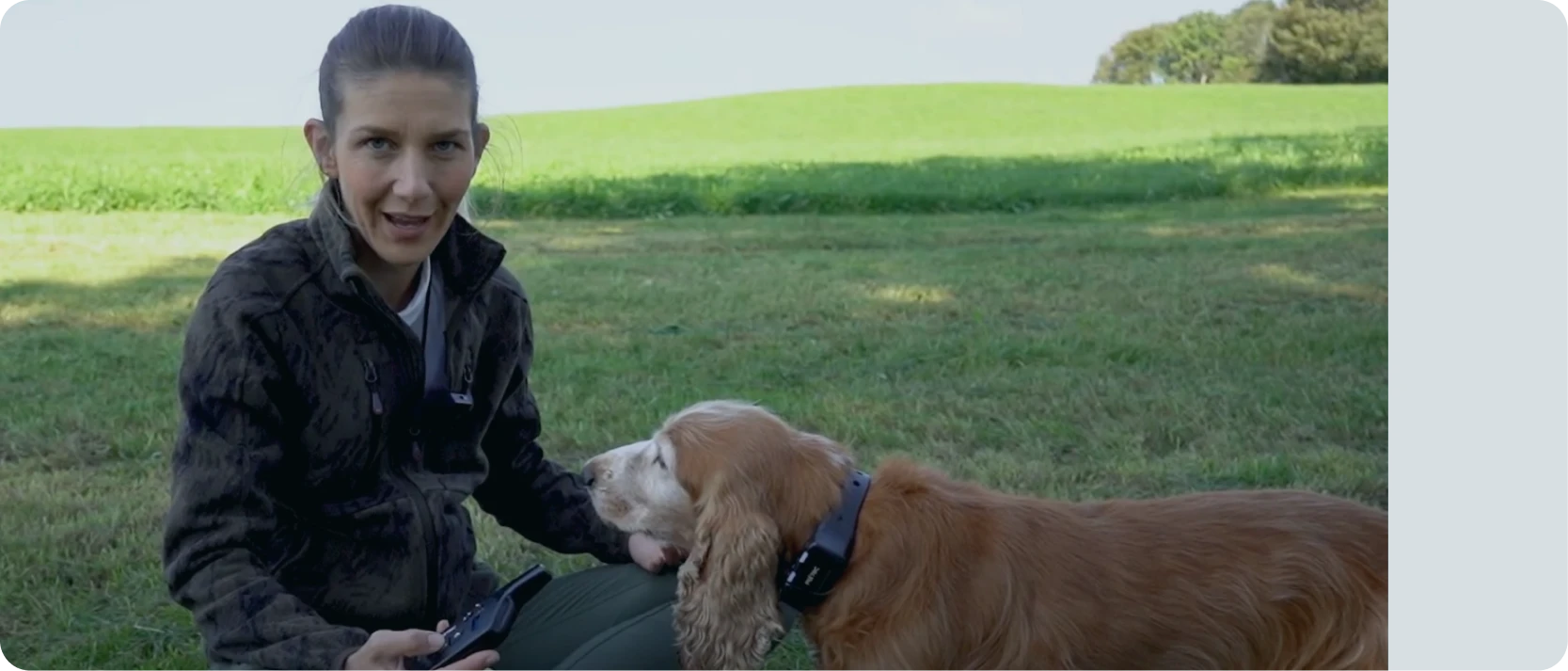
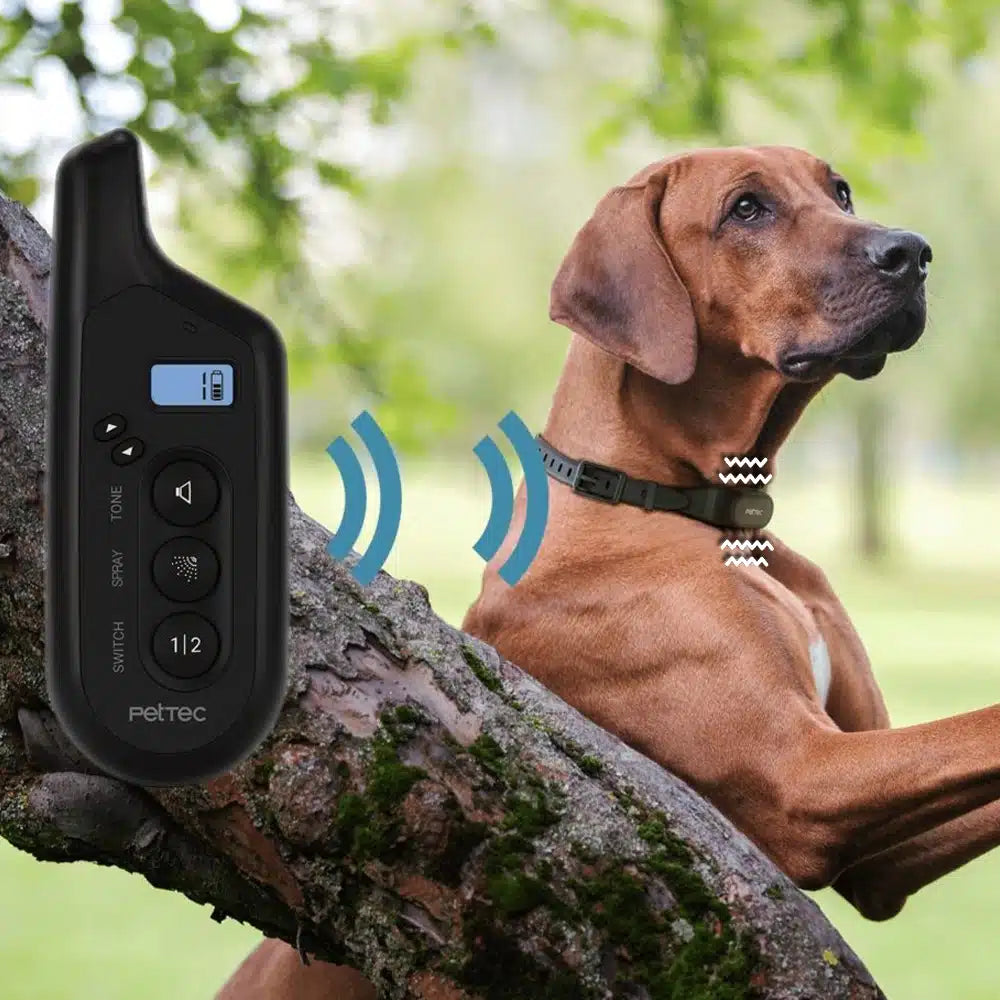
Training Collars for Impulse Control
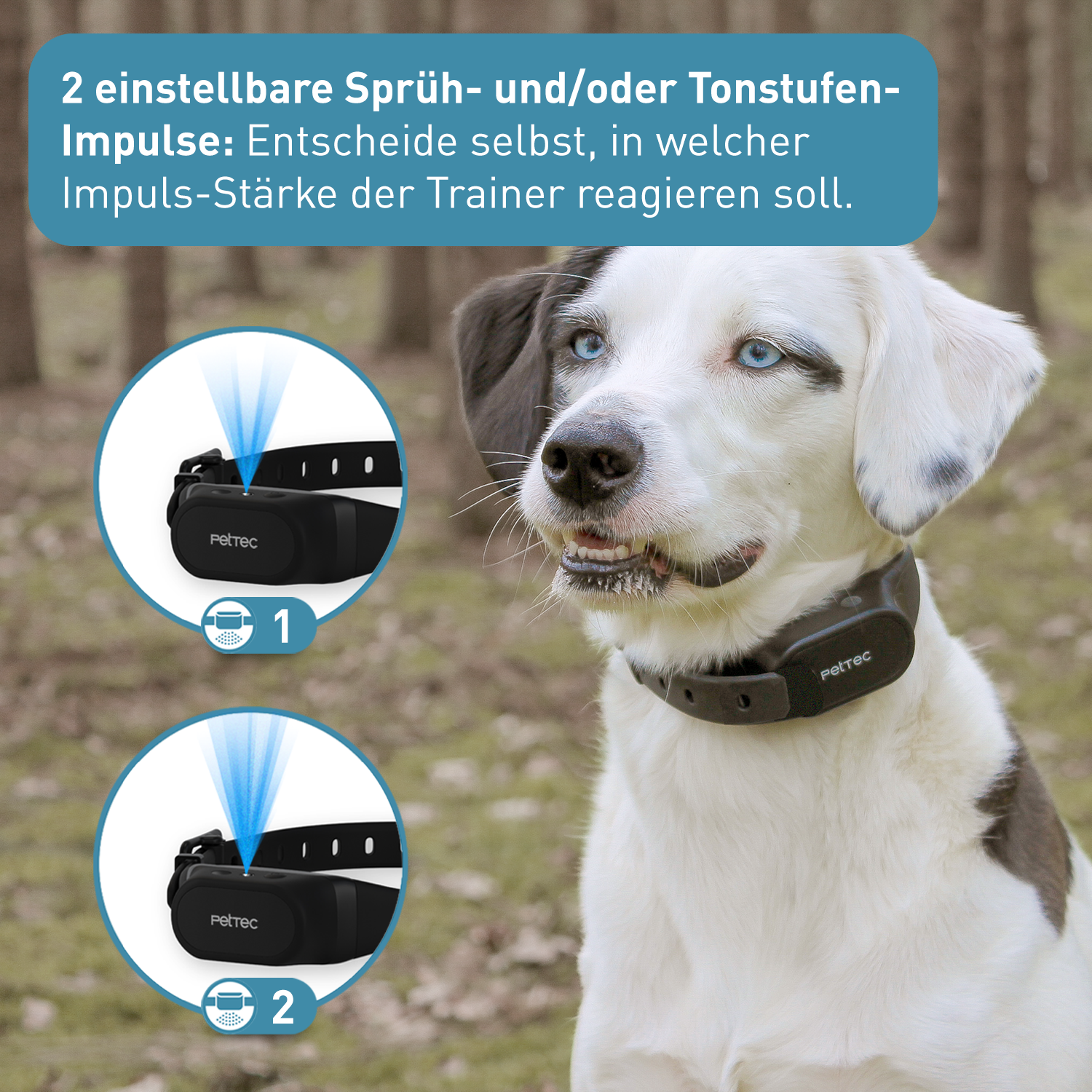
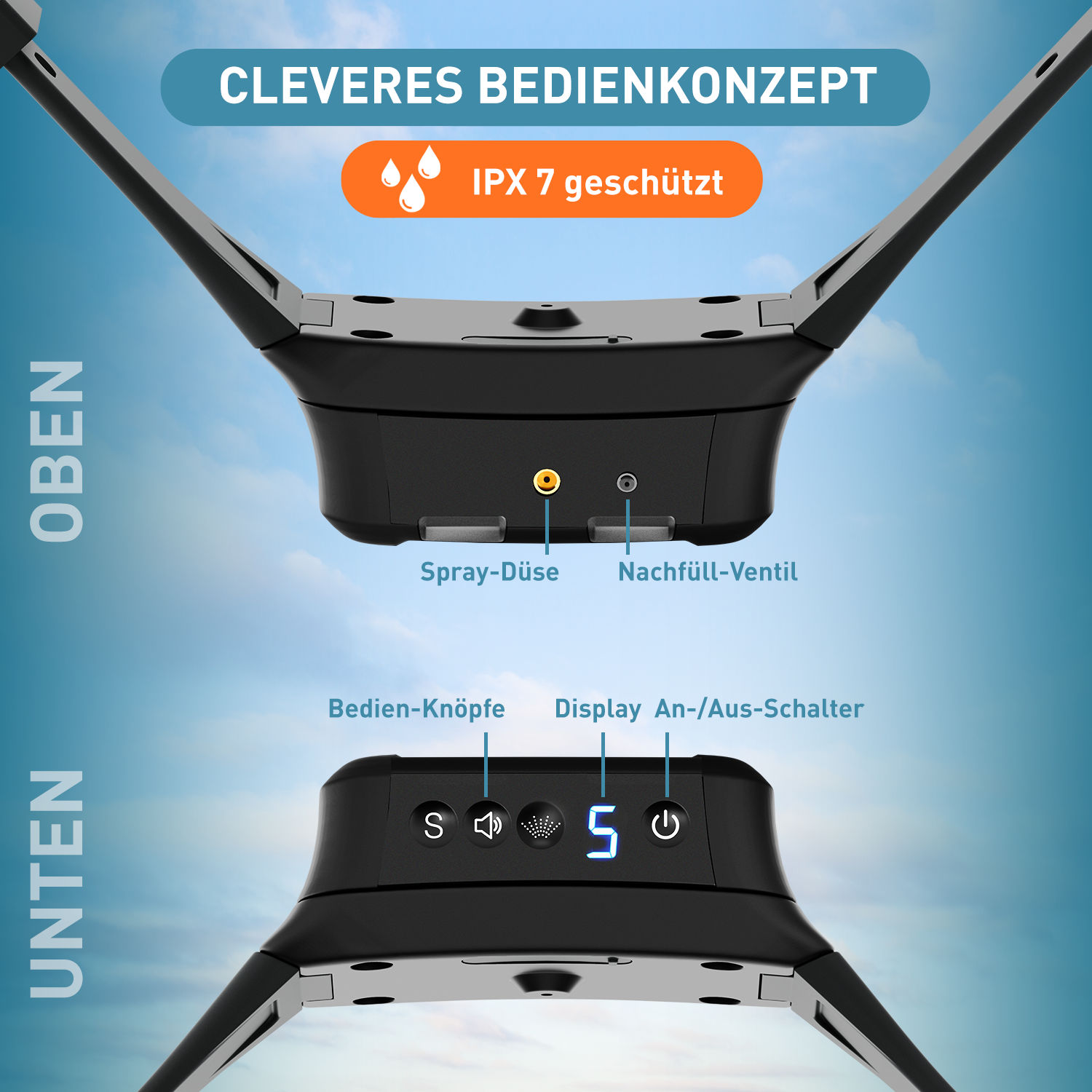
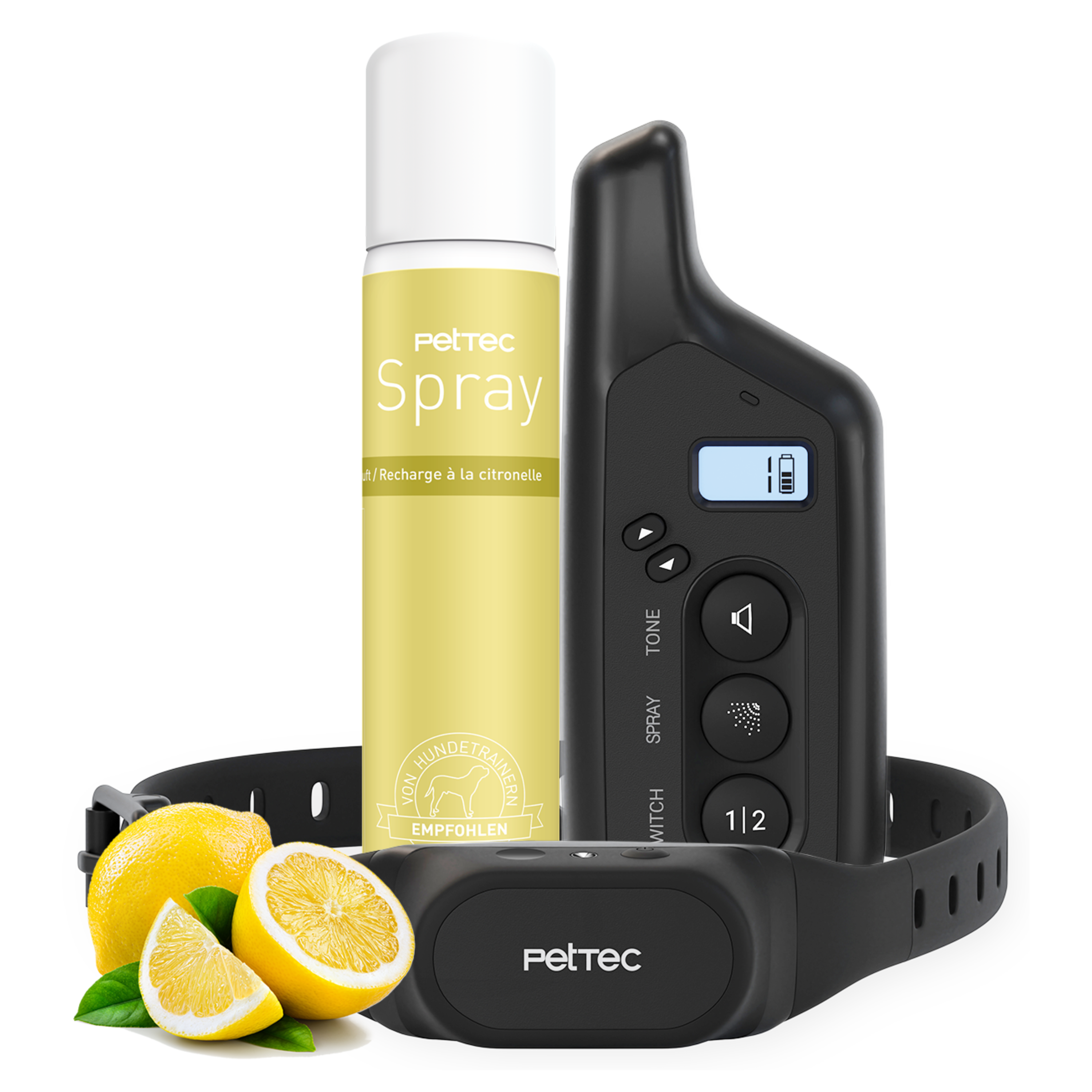
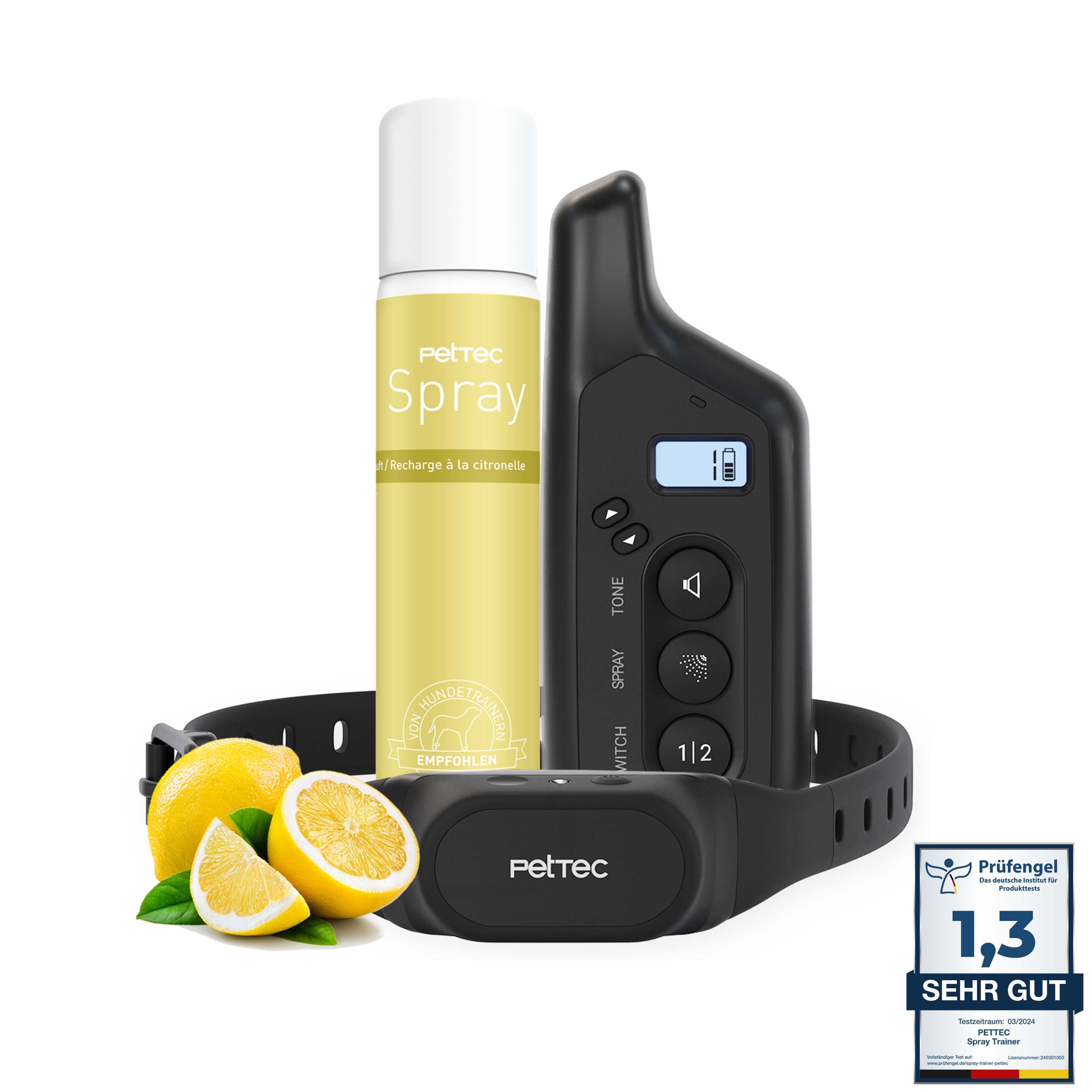
(…) My female dog is now six months old and has discovered jumping, so she started jumping over the fence when another dog walked by. Since I needed a quick solution to the problem, I came across the spray. I was still skeptical when I put the collar on her. But right on the first try, I was very surprised. When I noticed she was taking a run-up, I used the beeping sound, and just before she jumped, I used the spray function. My dog immediately noticed that her behavior was not desired, and so far, she hasn't tried to get over the fence again.
– Buyer of the PetTec Remote Trainer with Spray
no more outliers
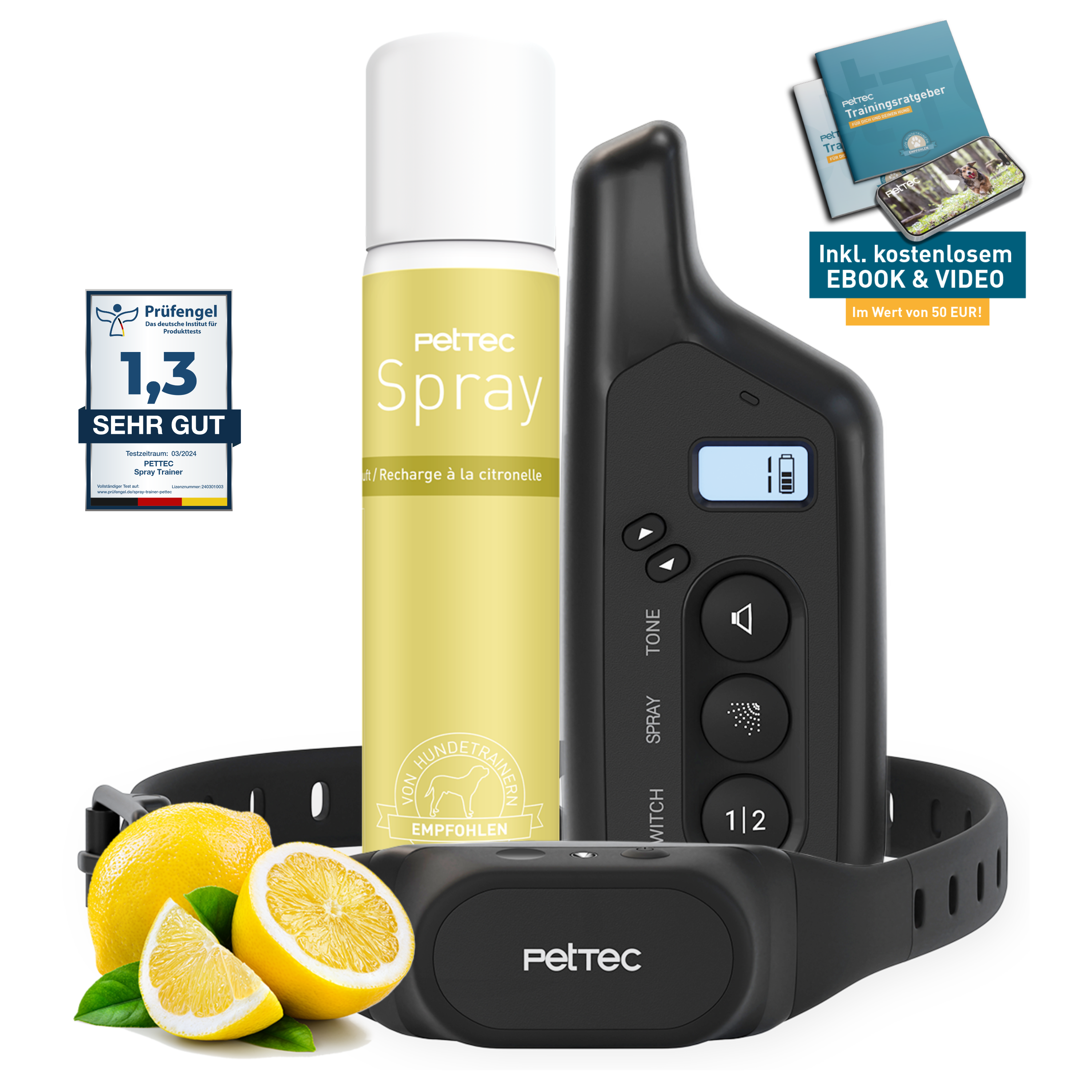
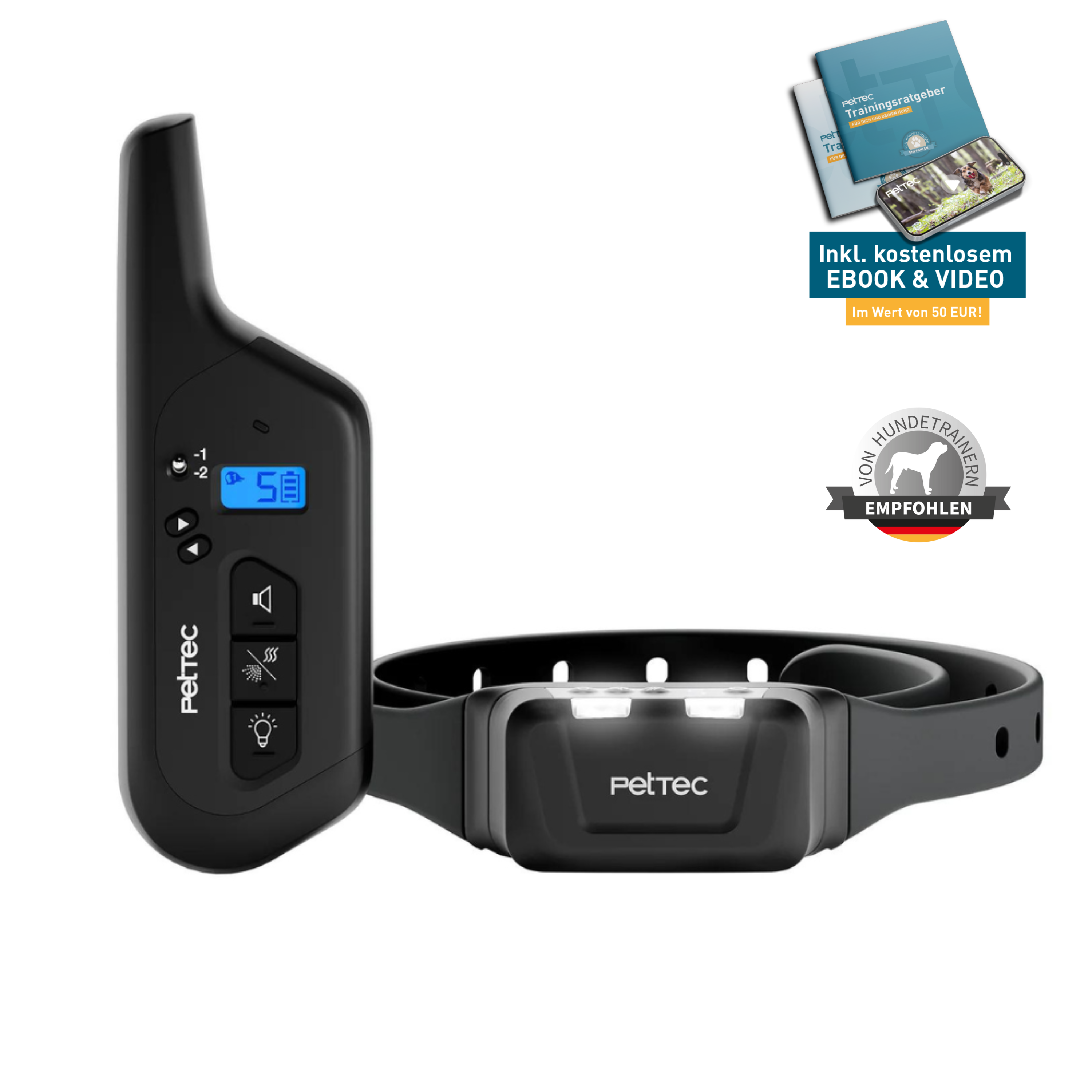
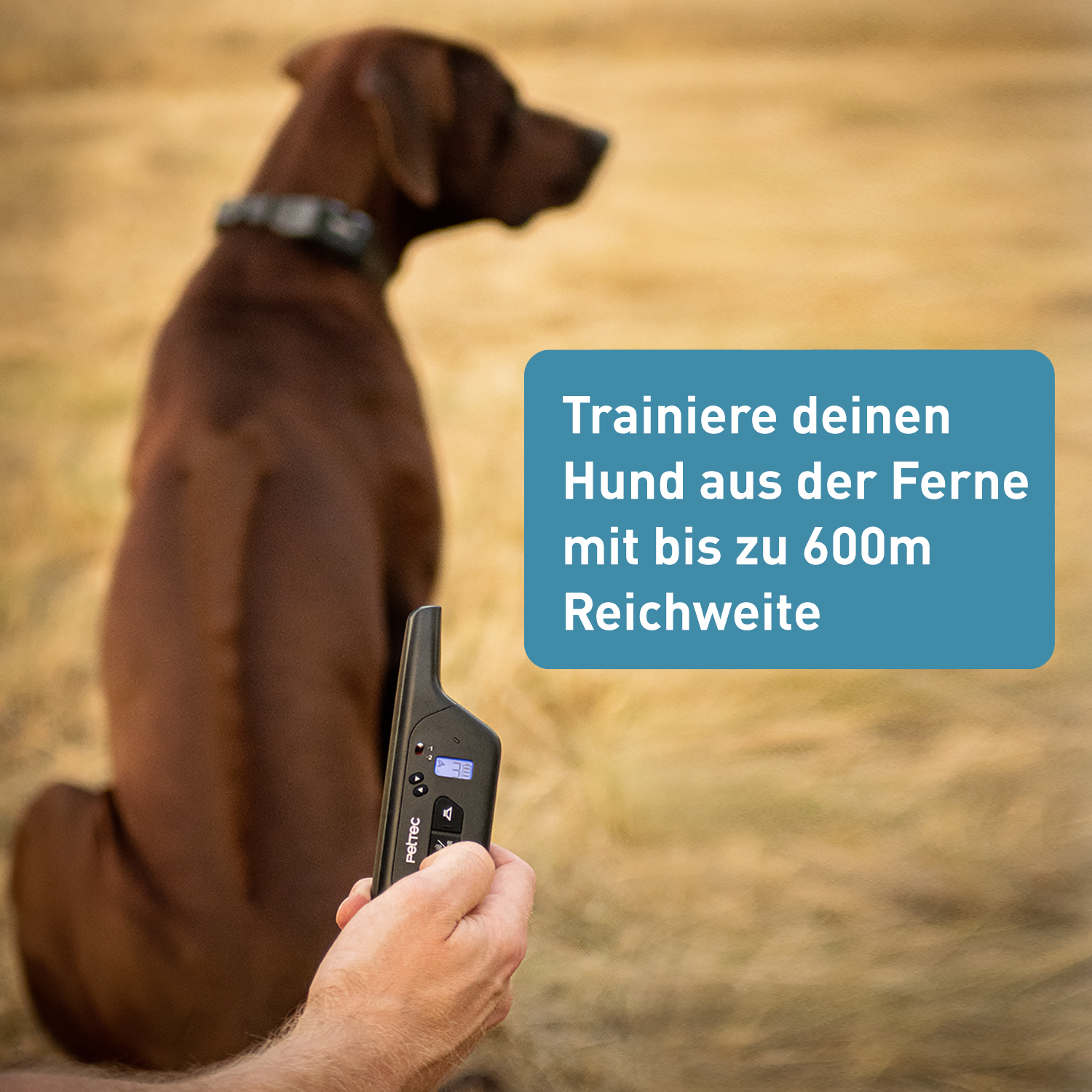
These trainers will help you
So you no longer have to worry about your friend getting into danger.


The author:
Annegret Ulrich
As a certified expert in handling and training dogs, Annegret Ulrich has many years of experience with various canines. In addition, the author and dog lover provides tips on her own dog assistance portal.
Reading time: 5 minutes
What you should know about dog training
1: Stay consistent
One of our most important tips for dog training is to be consistent. Rules should be maintained permanently. Read our guide to find out what 11 other tips we have prepared for you.
Here are 12 tips for dog training >2: Training collars help
Training collars are ideal for dog training. They are available with a light vibration or with spray. Both are gentle for dogs and achieve quick results.
To the assortment >3: Managing dog encounters
Your dog barks at other dogs when encountering them? This is one of the most common problems. Therefore, we have compiled some tips on how you can effectively train away "leash barking."
Tips for Leash Reactivity >