 Kostenloser Versand ab 50 Euro
 500.000+ zufriedene Kunden
 TÜV-ShopIdent geprüft
 30 Tage Geld-zurück-Garantie



My dog barks at other dogs during encounters
📌 Tips against "leash barking"
Do you walk your dog where you usually don't encounter other dogs? Or do you only walk your dog at certain times of day because the "risk" of encountering another dog is zero?
These and similar situations are good reasons to train your dog and break him of the undesirable barking and pulling on the leash.
Everything at a glance
- Stay calm yourself. Your dog senses when you are insecure.
- You can easily train dog encounters with attention exercises.
- However, you should not pursue an avoidance strategy.
Scroll down to learn all the tips…
Training for dog encounters - here's how
To train for dog encounters, you can visit a dog school, or you can practice redirecting behavior during your walks.
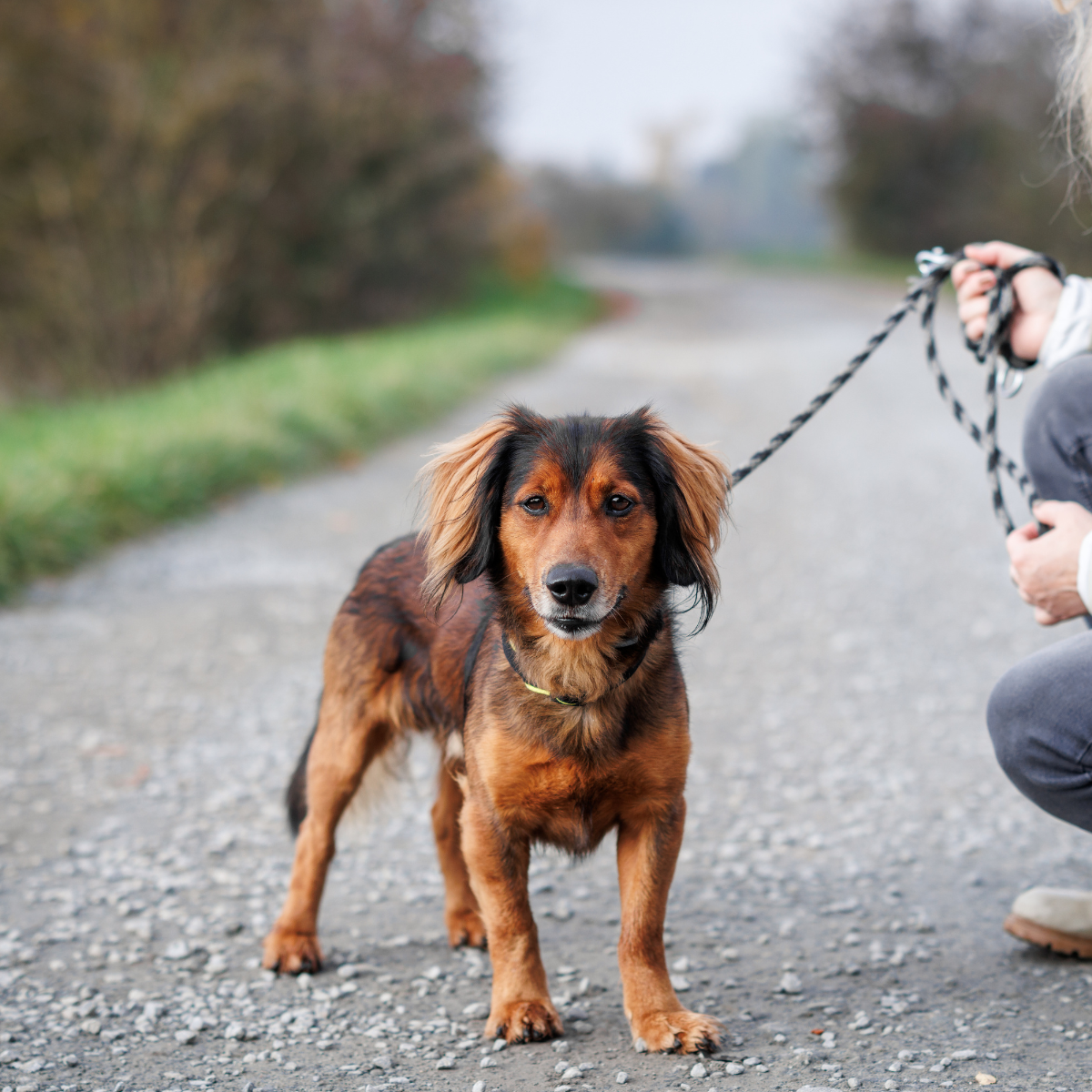
#1
Walk your dog on a loose leash
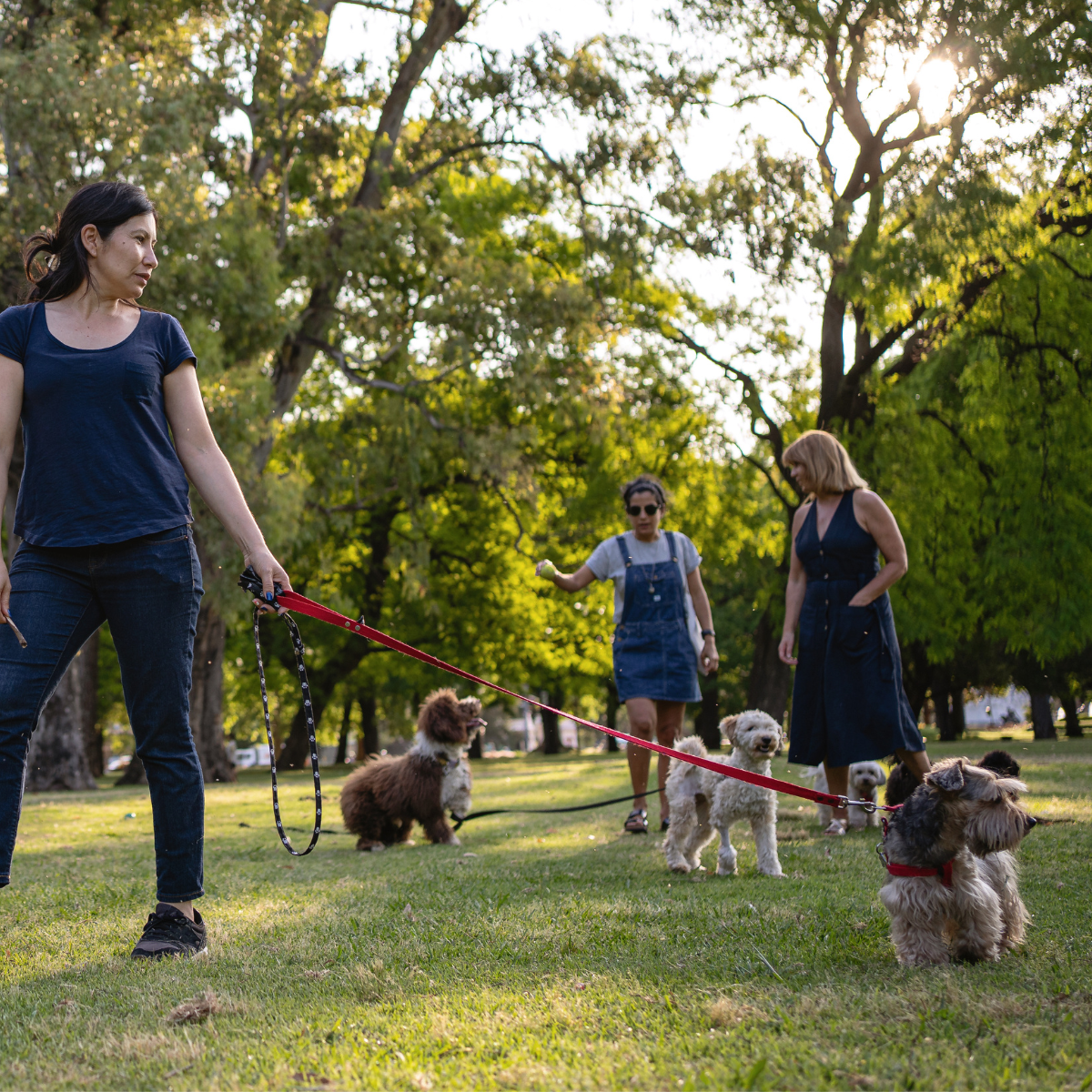
#2
Look for the situation with other dogs
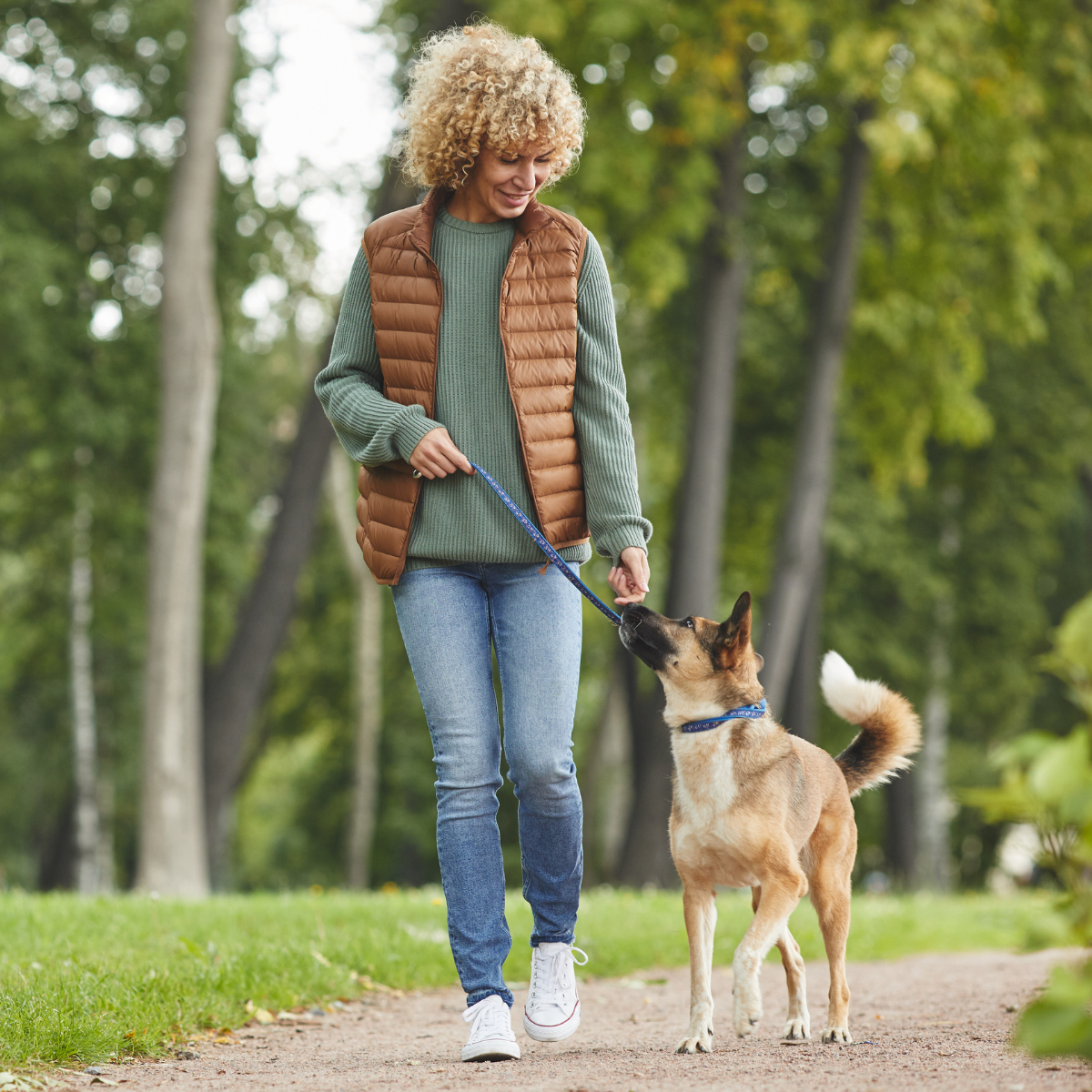
#3
Reward your dog when he stays calm

In addition to our tips or a dog trainer, our training collar can also help you.
Why PetTec training collars can help you...
✔️Incl. training guide
✔️Reacts immediately to dog barking
✔️3 scent, spray and tone intensities
✔️Practical long-range training
Avoiding an emergency
In an emergency, you can safely guide a leashed dog past a fellow dog.
The alternative is to give the command "sit" or "stay" and let the other dog walk past you. If the approaching dog attacks, do not try to pull your dog away; instead, try to react calmly.
In this case, you drop the leash but keep your foot on the end of the leash. With a little training, such situations will be rare or non-existent.
The most important thing is that you act confidently and always show your dog that he is safe by your side and that he does not have to take on the role of protector.
Conclusion:
Every dog can learn to ignore other dogs and calmly walk past its fellow dogs. Allow dog encounters, because only then can you curb curiosity "about the unknown" and control your four-legged friend's impulses.
You can find more tips below... ↓
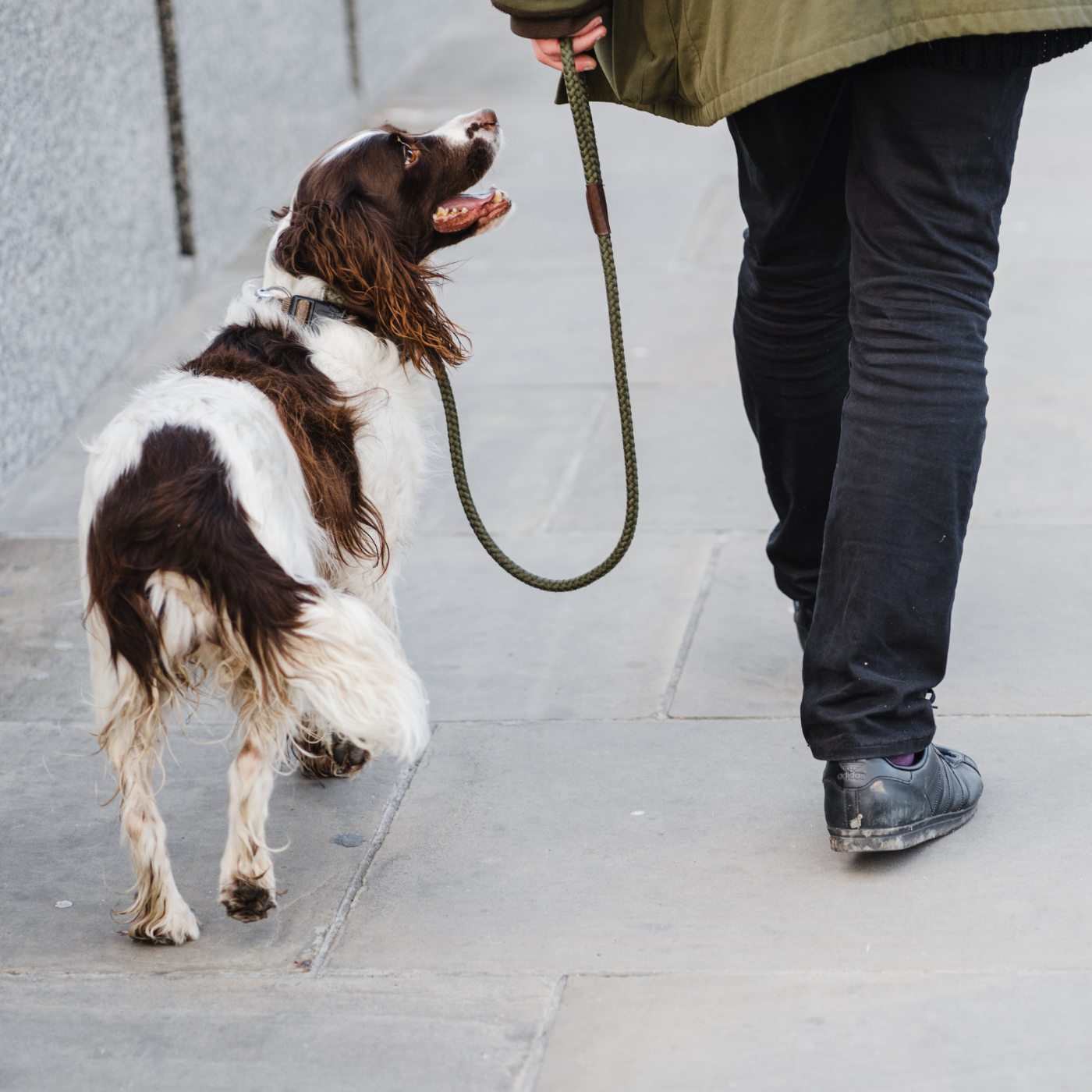
📌 The following tips may be helpful for you:
- Show confidence and lead the way - your dog notices uncertainties
- Pay attention to your dog's body language - keep him active with commands
- Leash your dog and take control of the situation
- Give your dog your full attention during the walk - this strengthens trust
- Trust yourself and your dog
💡 Signs that your dog is insecure:
- Tail tucked in
- Ears flattened
- Panting
- Trembling
- Chewing

The Author:
Annegret Ulrich
As a certified expert in handling dogs and dog training, Annegret Ulrich has many years of experience with various four-legged friends. In addition, the author and dog lover provides tips on her own dog assistance portal.
Reading time: 5 minutes
FAQ
Yes. A good dog school, patience, and consistency will turn "leash-reactive" dogs into calm, relaxed companions on walks.
The causes are manifold. In most cases, it is insecurity that you transfer to your dog. If you learn to control the situation and give your dog security, and to read his body language, you can successfully train him out of barking.
Aggressiveness and increased dominance are rarely responsible for loud dog encounters. However, your four-legged friend may be stressed and react aggressively towards other dogs for this reason. Bad experiences during past dog encounters can also encourage barking.
What You Should Know About Dog Training
1: Stay consistent
Read our guide to discover 11 more tips we've prepared for you.
On the 12 tips for dog training >2: Training Collars
These are available with a slight vibration or with spray. Both methods are gentle for dogs and quickly achieve results.
To the assortment >3: Managing Dog Encounters
We have compiled some tips on how you can effectively train your dog to stop "leash barking."
Tips for Stopping Leash Reactivity >