 Kostenloser Versand ab 50 Euro
 500.000+ zufriedene Kunden
 TÜV-ShopIdent geprüft
 30 Tage Geld-zurück-Garantie

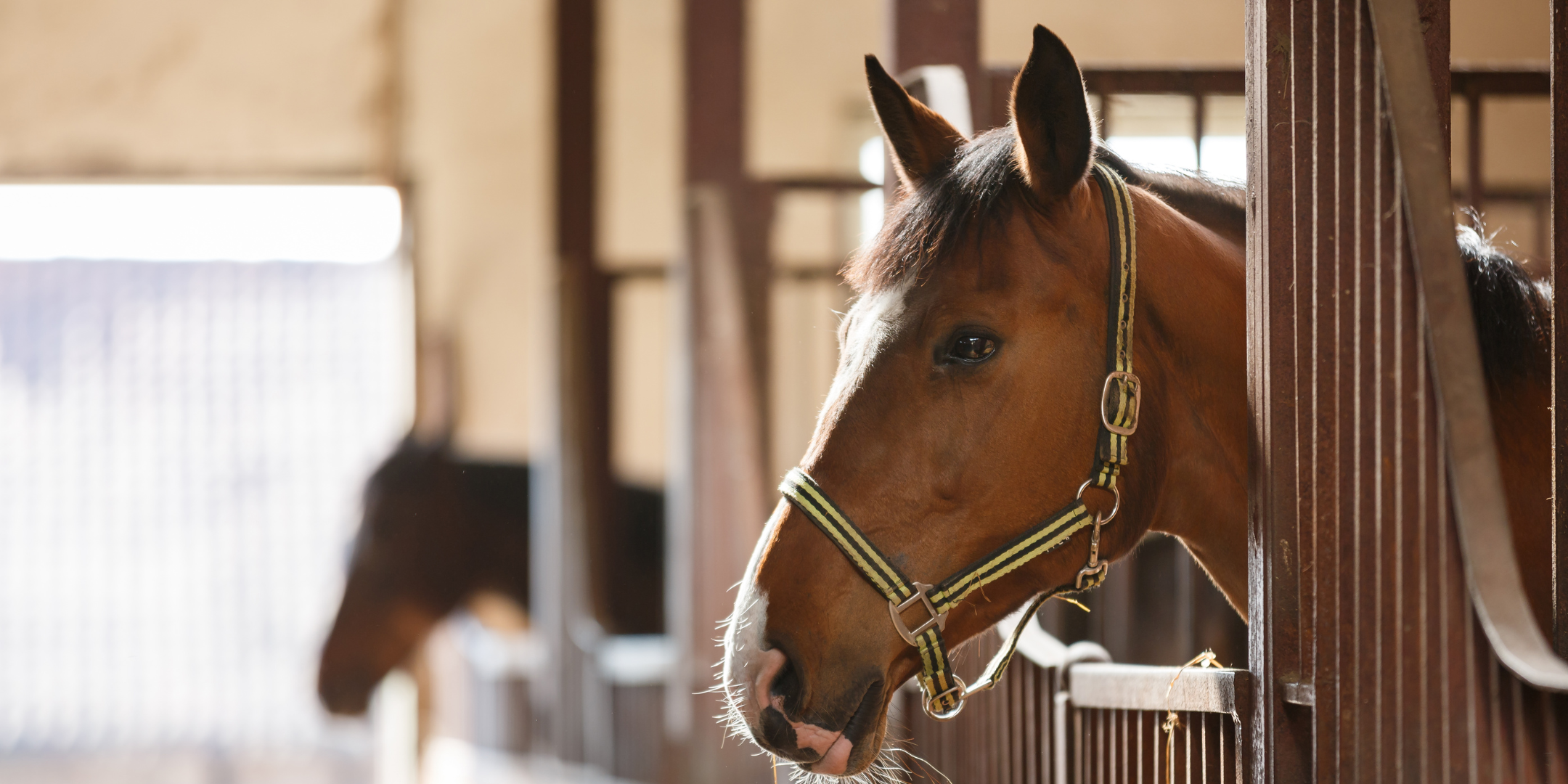
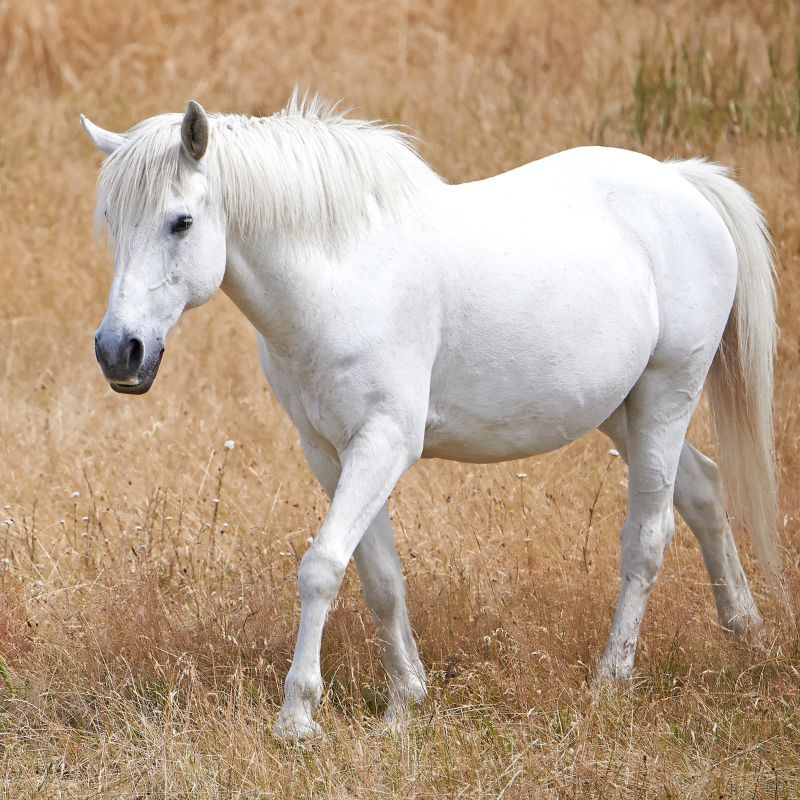
Horses communicate constantly – through posture, sounds, and movements. But what do rolling, pawing, or snorting really mean? Here you'll learn about your horse's most important behaviors and when you should pay attention.
An overview for horse owners...
🐎 Body Language: How your horse talks to you
Ears:
- Forward = attentive
- Pinned back = discomfort or aggression
Eyes:
- Soft & relaxed = well-being
- Wide open = fear or stress
Tail:
- Gently swinging = relaxation
- Vigorous swishing = displeasure or pain
Monitor your horse even in the stable – with our surveillance camera!
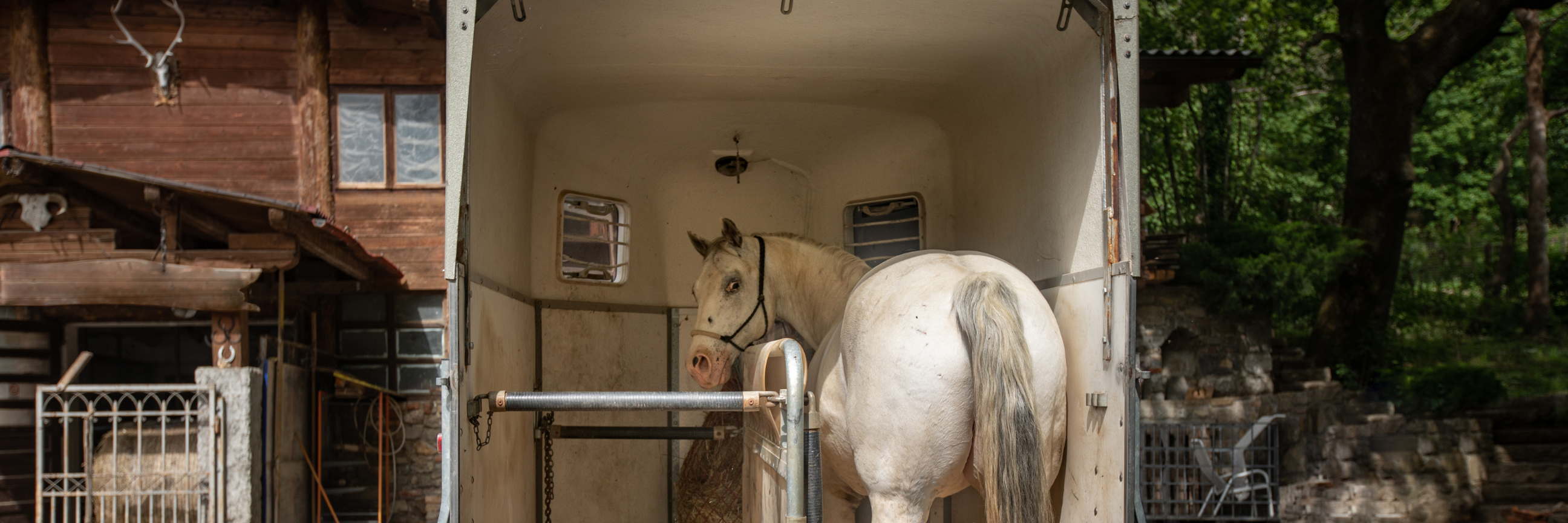
🐴 Common Behaviors & Their Meanings
Rolling: Relaxation or itchiness, but also a sign of colic if rolling too frequently
Snorting: Well-being, relaxation
Chewing & Licking: Processing learning, gesture of submission
Pawings: Impatience or frustration
Head Snatching Up: Excitement or uncertainty
Yawning: Tiredness, but also stress relief
Why a surveillance camera makes sense...
Even when you're not there, you can keep an eye on your horse. A smart stable camera helps you to keep an eye on your horse at all times.
For example:
- Early detection of colic symptoms – e.g. frequent rolling
- Security at night – protection against burglary or theft
- Foal monitoring – keep an eye on birth & the first few weeks
- Monitor eating habits

Keep an eye on your horse at all times with the PetTec Camera
Our smart camera helps you monitor your horse in real-time – in the stable, in the paddock, or during the night.
Here's what our PetTec Cam Free 4G/LTE can do:
✔️ HD live stream to your smartphone
✔️ Night vision mode for 24/7 monitoring
✔️ Motion detection & alarms
✔️ Pan function for a wide overview
✔️ Weatherproof – ideal for stables & paddocks
Easily usable via our PetTec App & without Wi-Fi.
Do you have any further questions?
Perhaps you'll find what you're looking for here...
Pawning can have several causes:
Normal behavior:
✔ Anticipation of food: Many horses paw when they are impatient.
✔ Itchiness or restlessness: Some horses paw in sand or mud to make themselves more comfortable.
Problematic pawing:
❌ Excessive pawing on hard ground: May indicate stress or frustration.
❌ Pawing & biting on stable walls: Signs of boredom or stable restlessness.
If a horse reacts aggressively when being saddled, physical causes should first be ruled out:
Possible pain:
- Pressure points or ill-fitting saddle (have the saddle adjusted!)
- Back pain or Kissing Spines
- Gastric ulcers (often associated with loss of appetite & stress)
💡 Tip:
✔ Test whether your horse reacts sensitively to touches on its back even without a saddle.
✔ If physical causes are ruled out, it could be a learned defensive behavior → consistent, calm training helps.