 Kostenloser Versand ab 50 Euro
 500.000+ zufriedene Kunden
 TÜV-ShopIdent geprüft
 30 Tage Geld-zurück-Garantie

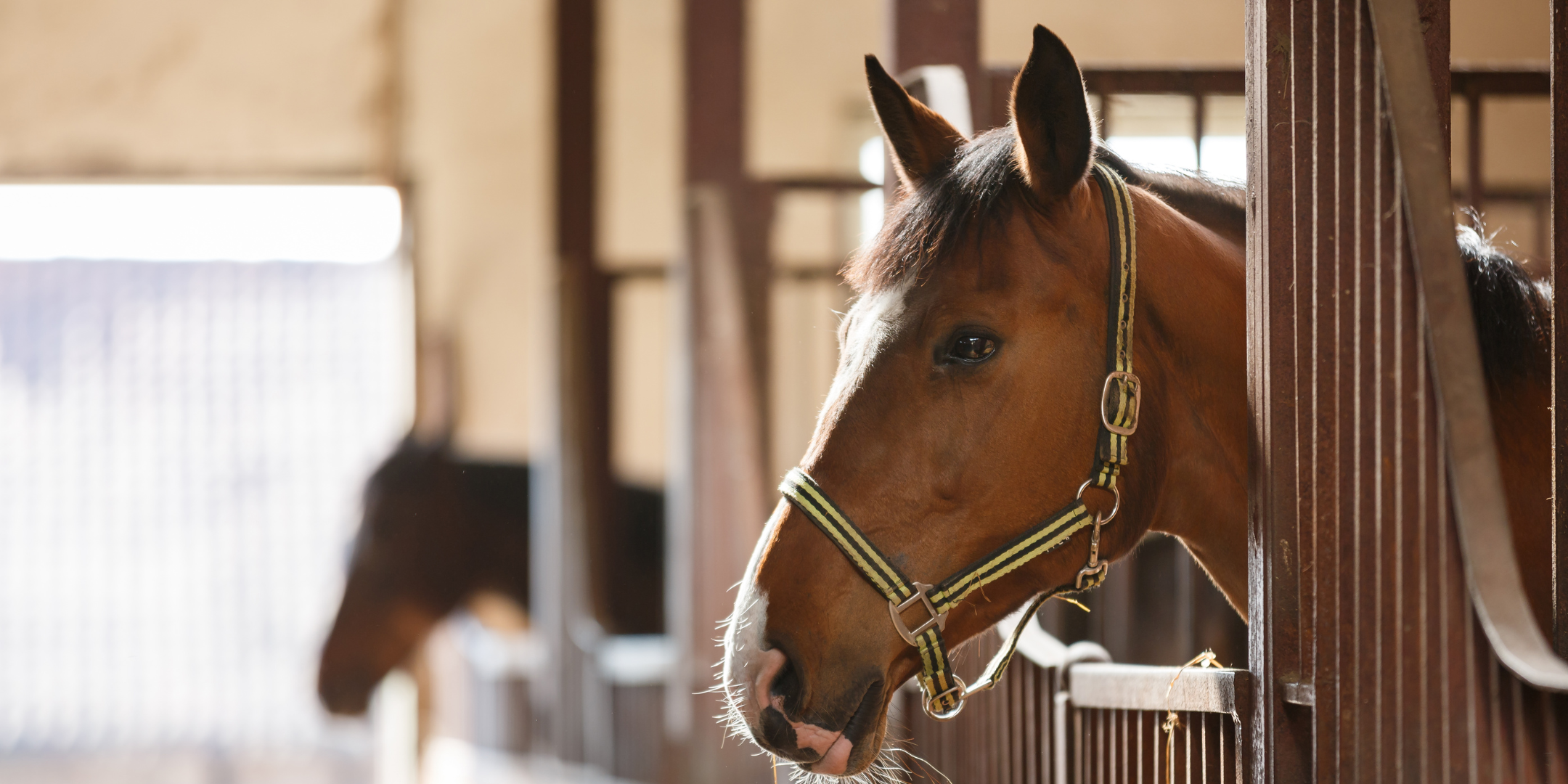
Owning your own horse is a dream for many riders – but how much does a horse actually cost per month? Besides the purchase price, there are ongoing costs for stable, feed, vet & accessories.
💡 Tip: There are hidden costs that are often underestimated – so always plan for a financial buffer!
Here you will find a clear overview of all important expenses...
💸 Purchase Price & One-Time Acquisition Costs
Purchase price of a horse:
The purchase price of a horse can vary and ranges from 500 – 20,000 €, depending on breed, training, and age)
Equipment (saddle, bridle, grooming kit):
You should ask yourself what you need and where you want to get these items. In our opinion, it's worth investing in more expensive products, as they will last longer in the long run. The price is approximately 1,500 – 5,000 €.
Transport to the stable:
It entirely depends on whether you want or need to hire a transport company. The price will then be between 100 – 1,000 €
Pre-purchase examination (vet check before purchase):
You should have a certificate presented to you that includes a vet check. If this was not done by the previous owner, you will bear the costs and pay between 200 – 1,500 €.
💵 Monthly Costs for Horse Keeping
The total costs can also vary greatly. Depending on the location, size of the horse, health, insurance, and individual needs, you can expect to pay between 400 – 1,500 € per month.
Here are the prices listed in detail:
Stable rent (box stable, open stable, self-catering) → 200–800 €
Feed (hay, concentrates, minerals) → 50–150 €
Bedding (straw, shavings, pellets) → 20–60 €
Hoof care (barefoot vs. shod) → 40–150 €
Vet & vaccinations → 20–80 €
Other (riding lessons, accessories, grooming products) → 50–200 €
📑 Insurance Costs:
Horse liability insurance → 10 €/month → Mandatory! Protects against damages caused by your horse.
Surgical insurance → from 20 €/month → covers high surgical costs.
Health insurance → from 50 €/month → offers comprehensive protection for all veterinary costs.
📌 Vet Costs & Unexpected Expenses
Not all costs can be planned – especially vet costs can suddenly increase.
Regular vet costs:
✅ Vaccinations: €60–100 per year
✅ Deworming: approx. €15–30 per quarter
✅ Dental check-up: €80–200
Unforeseen costs:
✅ Colic surgery: €3,000–8,000
✅ Tendon injury treatment: €500–3,000
✅ X-rays & lameness diagnosis: €200–1,000
Therefore, we recommend:
- setting aside a little extra each month
- having your horse checked regularly or monitoring it to detect possible illnesses early
- taking out insurance, e.g., surgical insurance
Why a surveillance camera makes sense...
Even when you're not there, you can watch over your horse. A smart stable camera helps you keep an eye on your horse at all times.
For example:
- Early detection of illnesses based on the horse's behavior, e.g. early detection of colic symptoms

Always keep an eye on your horse with the PetTec camera
Our smart camera helps you monitor your horse in real-time – in the stable, in the pasture, or during the night.
What our PetTec Cam Free 4G/LTE can do:
✔️ HD live stream to your smartphone
✔️ Night vision mode for 24/7 monitoring
✔️ Motion detection & alarms
✔️ Pan for a wide overview
✔️ Weatherproof – ideal for stable & pasture
Easily usable via our PetTec App & without Wi-Fi.
Do you have any further questions?
Perhaps you'll find what you're looking for here...
Accidents often happen due to misunderstandings in communication with the horse. To minimize the risk:
✅ Use calm body language & clear signals – Horses are sensitive to haste and uncertainty.
✅ Always stay to the side when leading – Never walk directly in front of the horse.
✅ Use the right equipment – Well-fitting halter, sturdy gloves when leading young or boisterous horses.
✅ Maintain a respectful distance – Don't approach suddenly from behind; always make eye contact.
A secure stable and a well-protected pasture reduce the risk of accidents & break-ins:
✅ Check fences daily – No loose wires or sharp edges.
✅ Keep stable aisles clear – No buckets or tools lying around that could become tripping hazards.
✅ Use escape-proof gates & doors – Horses can often open simple latches themselves.
✅ Install security lighting & camera surveillance – Especially useful for remote stables or pastures.
Early detection of colic, lameness, or discomfort can prevent serious consequences. Pay attention to:
⚠ Unusual behavior: Horse often rolls, kicks its belly, or refuses food.
⚠ Changed posture: Sudden lameness, increased lying down, or a sunken abdomen can be warning signs.
⚠ Irregular breathing or sweating: Especially without apparent reason, an alarm signal.