 Kostenloser Versand ab 50 Euro
 500.000+ zufriedene Kunden
 TÜV-ShopIdent geprüft
 30 Tage Geld-zurück-Garantie

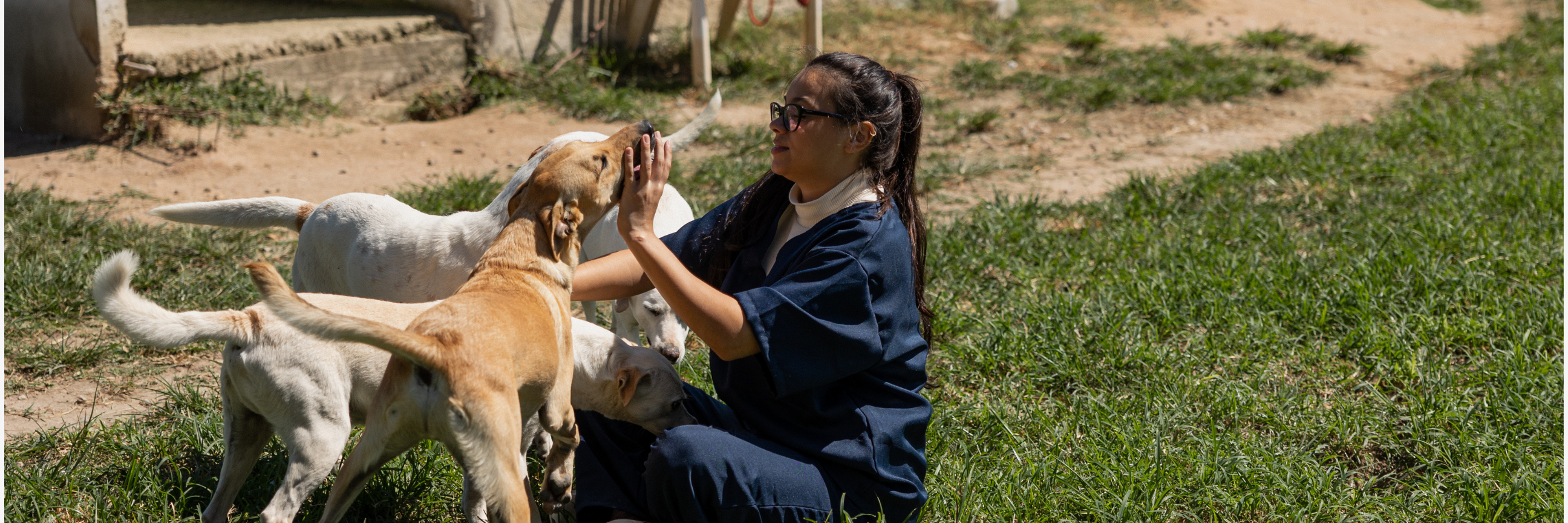
Training a Dog with a Disability
People enjoy healthy dogs as pets. For dog owners, however, dealing with disabled animals is new territory. Unfortunately, it is quite common for dogs to suffer from disabilities. However, nowadays a disability is no longer a death sentence for four-legged friends.
A dog with a disability can live a happy life despite the limitations. With the help of aids and therapy options, dogs bravely manage their everyday lives. The responsibility to adequately support the animal lies with the dog owner. A dog with a disability requires appropriate training and affection. Age-related disabilities can also be treated early. The following information facilitates dealing with disabled animals.
📌 At a glance:
- Dog owners should be thoroughly informed when it comes to dogs with disabilities
- Disabilities can be congenital, age-related, or caused by various factors
- Dogs with disabilities can also be trained and live a happy life
Scroll down to learn more…
Are you looking for more tips on dog training?
Then check out our guide, where we provide 12 helpful practical tips on how to get your dog to listen to you better.
How it is to live with a dog with a handicap
Different forms of disability affect dogs and owners differently. Therefore, it is important for dog owners to be sufficiently informed.
🦮 A blind dog
- great burden for the dog
- most important sensory organ
- targeted support through vocal guidance + assistance
- other senses are much stronger, which makes a good life possible
🔇 A deaf dog
- There is a special way of keeping them that helps
- A vibration collar for deaf dogs can help
- Patience is very important
- Training through visual commands using clear hand signals
- Animals are very capable of living and are independent → running off-leash is possible
♥️ A dog with physical limitations
- usually manifests in gait disorders
- there are certain aids / constructions that can help → enable mobility e.g. walking carts
🐶 An old dog
- Possibility of dementia → suffer from behavioral disorders or cognitive dysfunction
- Symptoms include new fears, night wandering, aggression, or easy irritability
- constant barking and constantly changing places can be a sign
Important:
A disabled dog often appears more sensitive than healthy animals. The reason for this is that the disabled animal is much more vulnerable. The four-legged friends can appear more aggressive and restless. As a dog owner, one should therefore show a good sense of empathy.
Training collars make everyday life easier
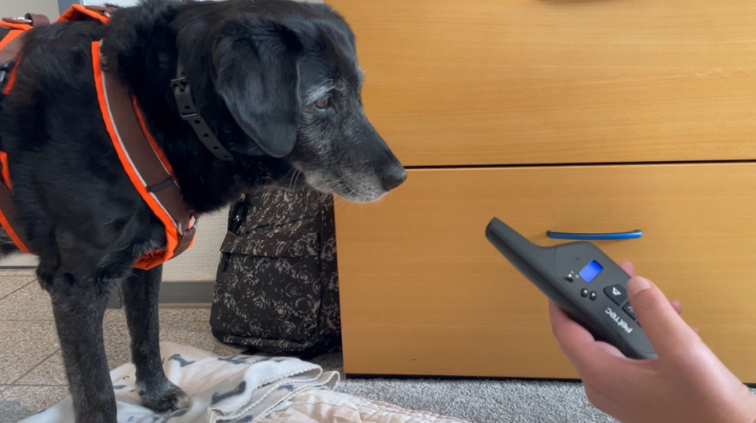
With training collars (anti-bark collars or remote trainers), dog owners can attract the attention of deaf or blind dogs – thus making everyday life easier for the dog. Thanks to these training aids, handicapped dogs gain more freedom, such as Paula, the deaf dog.
Causes
How can handicaps develop in dogs?
The causes of impairments are diverse.
- congenital, due to illness or an accident
- development of limitations, often in old age → chronic ear infection causes hearing loss
- parasites, injuries or tumors + age-related hearing loss can be reasons
📌 Tip
Recognize your dog's handicap in time
At the first signs of a change in your dog's behavior, a vet should be consulted. This way, easily treatable diseases can be quickly ruled out. Early detection of incipient dementia can prevent its progression. If the animal is restless or constantly wandering around, be alarmed. Furthermore, the dog may lack body awareness. An old dog constantly changing places? This is a signal! Aggressiveness is another symptom. An old dog constantly barks aggressively and should therefore be observed. Regular cleaning of the dog's ears helps prevent hearing damage. Don't hesitate to visit the vet if there are symptoms of illness. Blindness in a dog is difficult for an owner to recognize. Typical signs of blindness are cloudy lenses or reddened eyes. The eye enlarges and waters heavily. In this case, a light test can provide certainty. Shine a flashlight into the eye. If the pupil shows no reaction, the dog is blind.
Important:
Take your dog to the vet regularly. Only with early detection of symptoms can diseases be treated effectively and in good time. It is also very helpful to adapt training for blindness and deafness, e.g., by training with hand signals. This way, your dog learns commands without speech.

The vibration collar helps dog owners train deaf dogs. A vibration collar for deaf dogs emits vibration pulses on command. With the help of rewards, the dog gets used to the training aid. Give the pet treats as soon as it pays attention to you. This way, the dog quickly gets used to the device. A successful training effect facilitates the use of the vibration collar in everyday life. Furthermore, training visual cues helps with communication in cases of deafness. Dogs with disabilities need occupation in the form of exercise and play. With movement and mental stimulation, you keep dogs happy. Training and play also strengthen the bond with the dog. The correct handling of blind dogs is important. Training should be characterized by positive reinforcements. A blind dog needs signals to be able to orient itself.
Aging Dogs: Early Training for a Good Life Together
Hand signals and words can be trained in a dog's early years. These forms of communication serve as a preventive measure for blindness or deafness. Support your pet with adequate care and training.
Is your older dog not eating regularly or for an extended period? Is he breathing faster, even when at rest? It's best to consult a vet directly. This usually has medical or psychological causes. A breathing disorder can indicate heart disease and needs immediate treatment.
Furthermore, age-related hearing loss regularly occurs in dogs. The dog is hard of hearing and thus dependent on visual communication. Dementia can be prevented by plenty of exercise in the fresh air. A dog with dementia can be treated well with medication. Sunlight is important to regulate the dog's sleep-wake cycle.