Kostenloser Versand ab 50 Euro
 500.000+ zufriedene Kunden
 TÜV-ShopIdent geprüft
 30 Tage Geld-zurück-Garantie

What will I learn here?
Selection of Locks
take me there →Placement of Surveillance Cameras
take me there →Security isn't just a product, it's a process
The Right Lock
The security of your home starts at your front door. An often-overlooked yet critical step after moving is changing the door locks. Whether it's a rental apartment or a purchased house, you can never be sure how many copies of the keys are in circulation or who has access. That's why it's essential to change the locks to make your new home secure.
The Main Differences Between Locks
- Mortise locks: These are recessed into the door and offer a robust locking mechanism. Mortise locks are available in various designs, such as with a skeleton key, Chubbs key, or cylinder lock. They are difficult to tamper with and offer good basic protection.
- Cylinder locks: They consist of a cylinder and a housing. The key turns the cylinder, which in turn actuates the lock. Cylinder locks are particularly flexible in terms of replacement and adaptation. High-security cylinders feature drill protection and protection against other manipulation techniques.
- Electronic locks: These use keypads, card readers, fingerprint scanners, or smart home systems to activate the lock mechanism. They offer high security and the advantage that no physical key is required, which minimizes the risk of key theft.
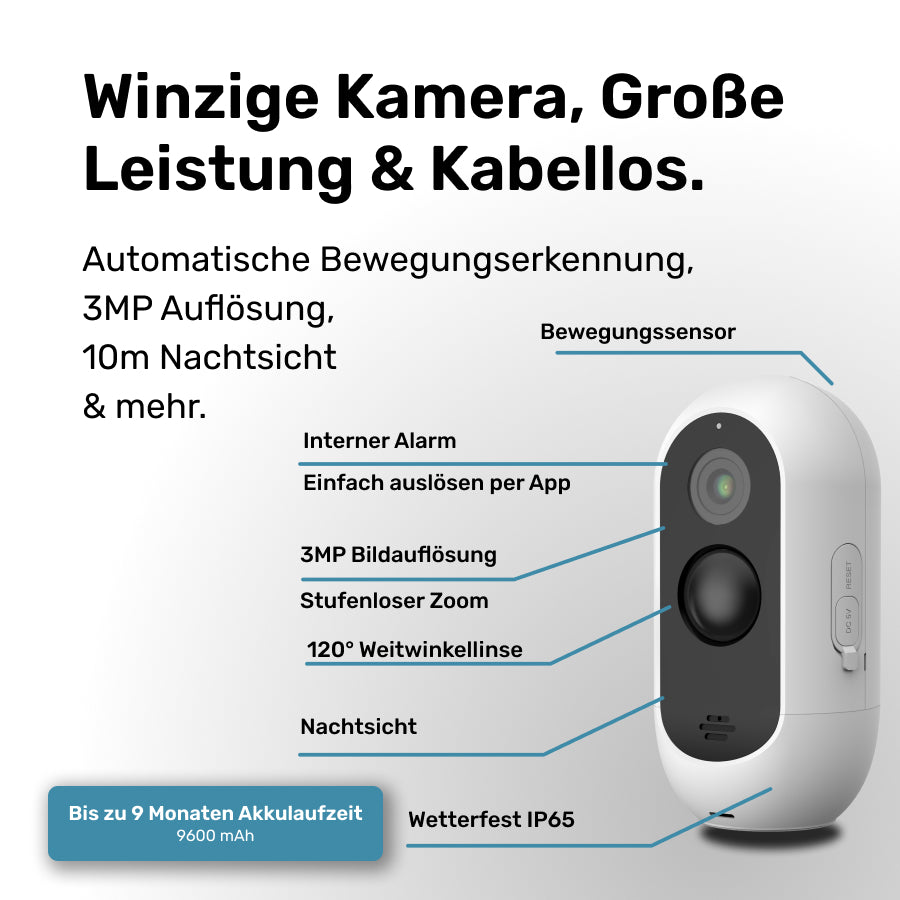
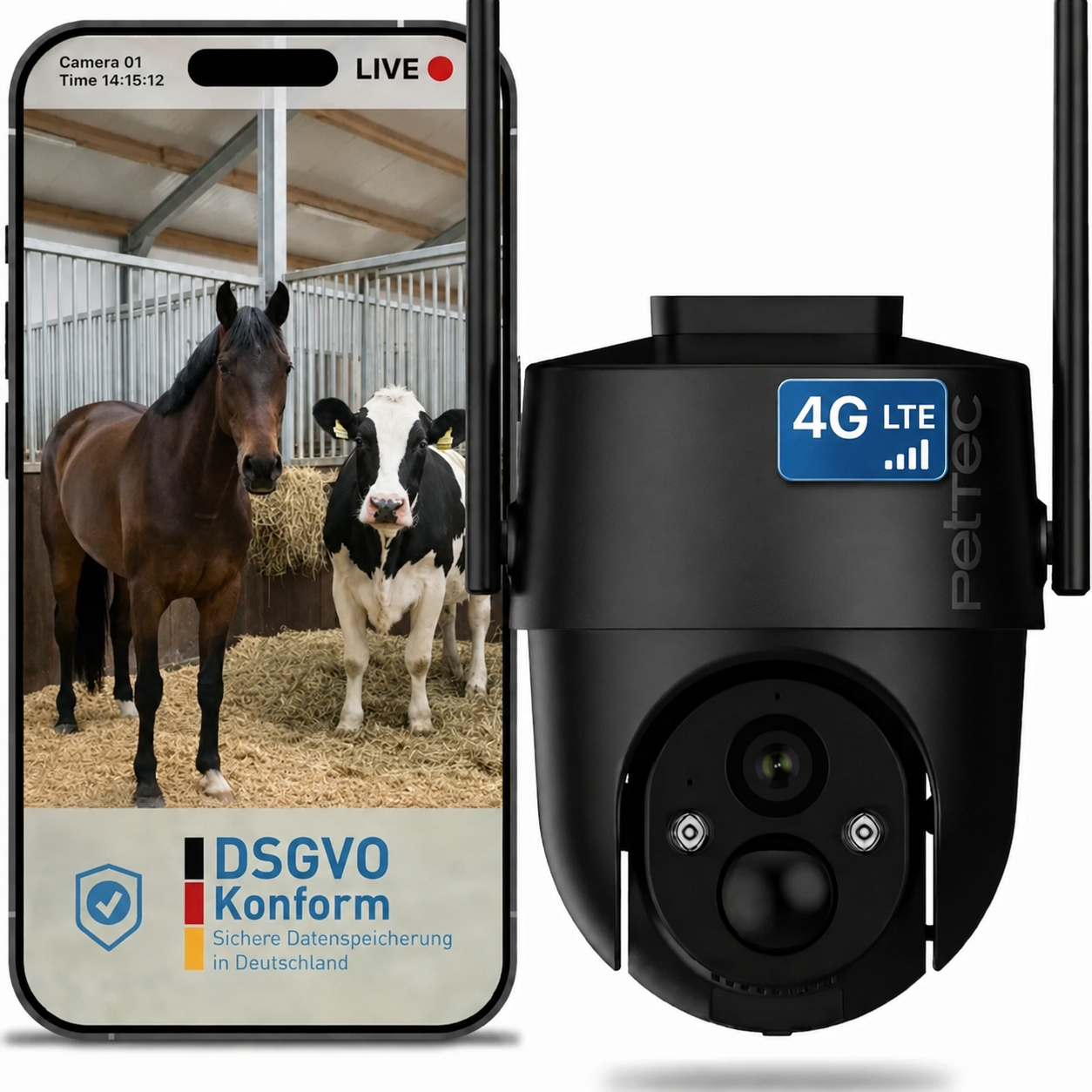
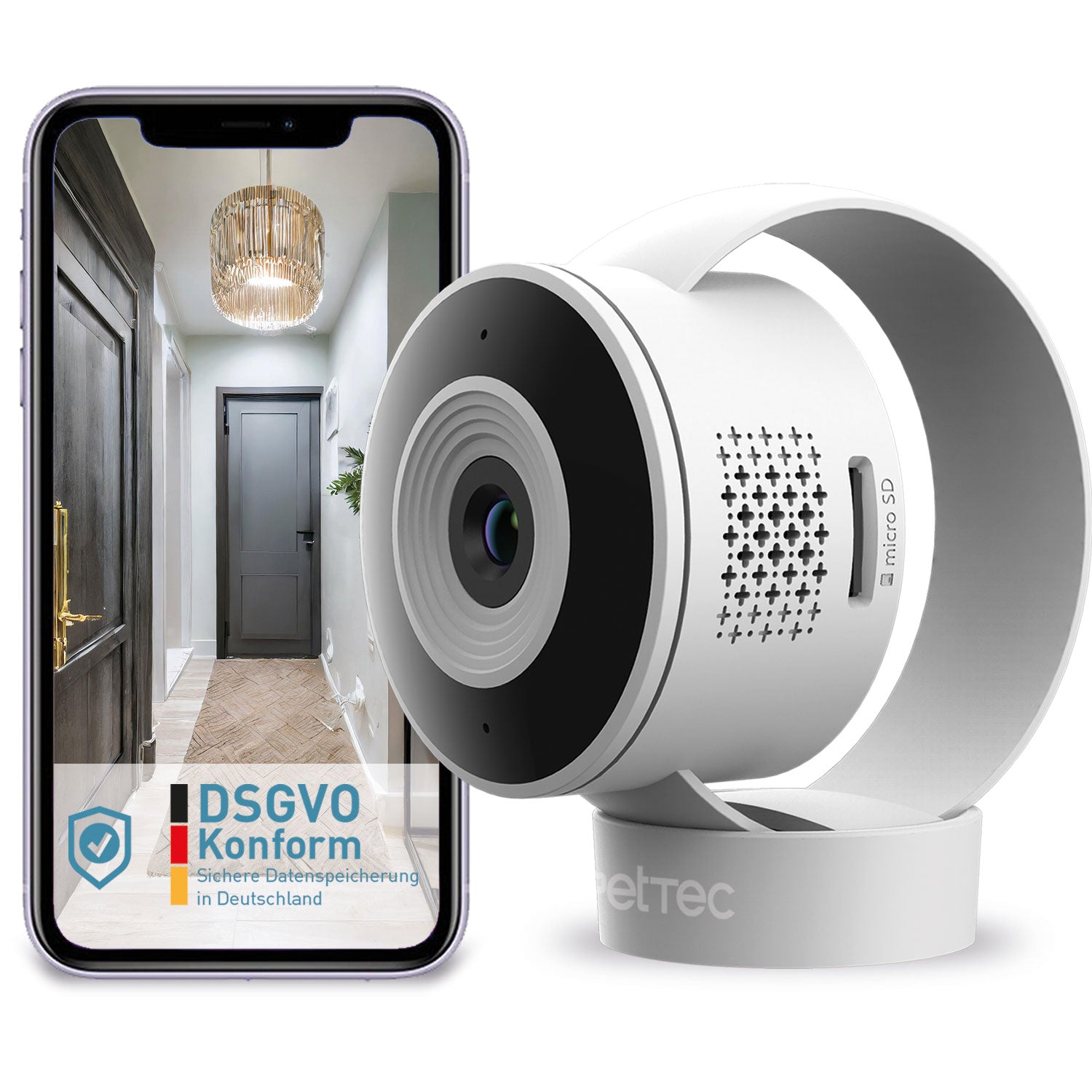
Although not all security cameras prevent crimes, research shows that they have a deterrent effect in many cases.
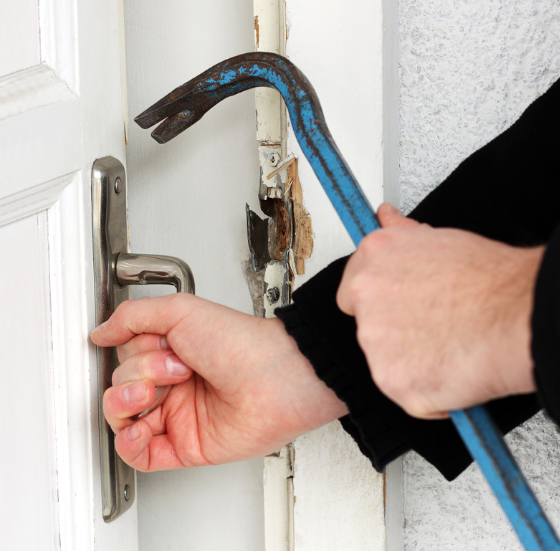
What do I need to consider when it comes to the cameras?
- Installation Height
- Viewing Angle and Coverage
- Avoiding Backlight
- Weather and Vandalism Protection
- Privacy Considerations
- Connection Points and Accessibility
Precisely explained:
- Installation Height: The ideal height for mounting the camera is between 2.5 and 3 meters above the ground. This prevents the camera from being easily reached, manipulated, or damaged, while also providing a clear view of faces and activities in front of the door.
- Viewing Angle and Coverage: Ensure that the camera has a wide viewing angle and can cover the entire entrance area. Avoid blind spots by positioning the camera so that the entire area in front of the main door and potential access routes are within its field of view.
- Avoid Backlight: Position your camera so that it is not directly facing the sun or other strong light sources. Backlight can impair image quality and cause faces or important details to be overexposed and thus unrecognisable.
- Weather and Vandalism Protection: Install your camera under an overhang or in a special housing to protect it from weather influences such as rain or snow, as well as from vandalism. This extends the camera's lifespan and ensures it functions even in adverse weather conditions.
- Privacy Considerations: Ensure that your cameras only capture areas that belong to your property. Monitoring public areas or a neighbor's property can have legal consequences. Inform yourself about local laws and regulations on video surveillance to ensure that your surveillance system respects the privacy of others.
- Connection Points and Accessibility: Ensure your cameras are easily accessible for maintenance but not so easily that they can be simply removed or reoriented. Also consider how the cables are routed to ensure they cannot be cut without entering the field of view of another camera.
Your Security Helpers
Save 30,00 €

Save 30,00 €

Sold out


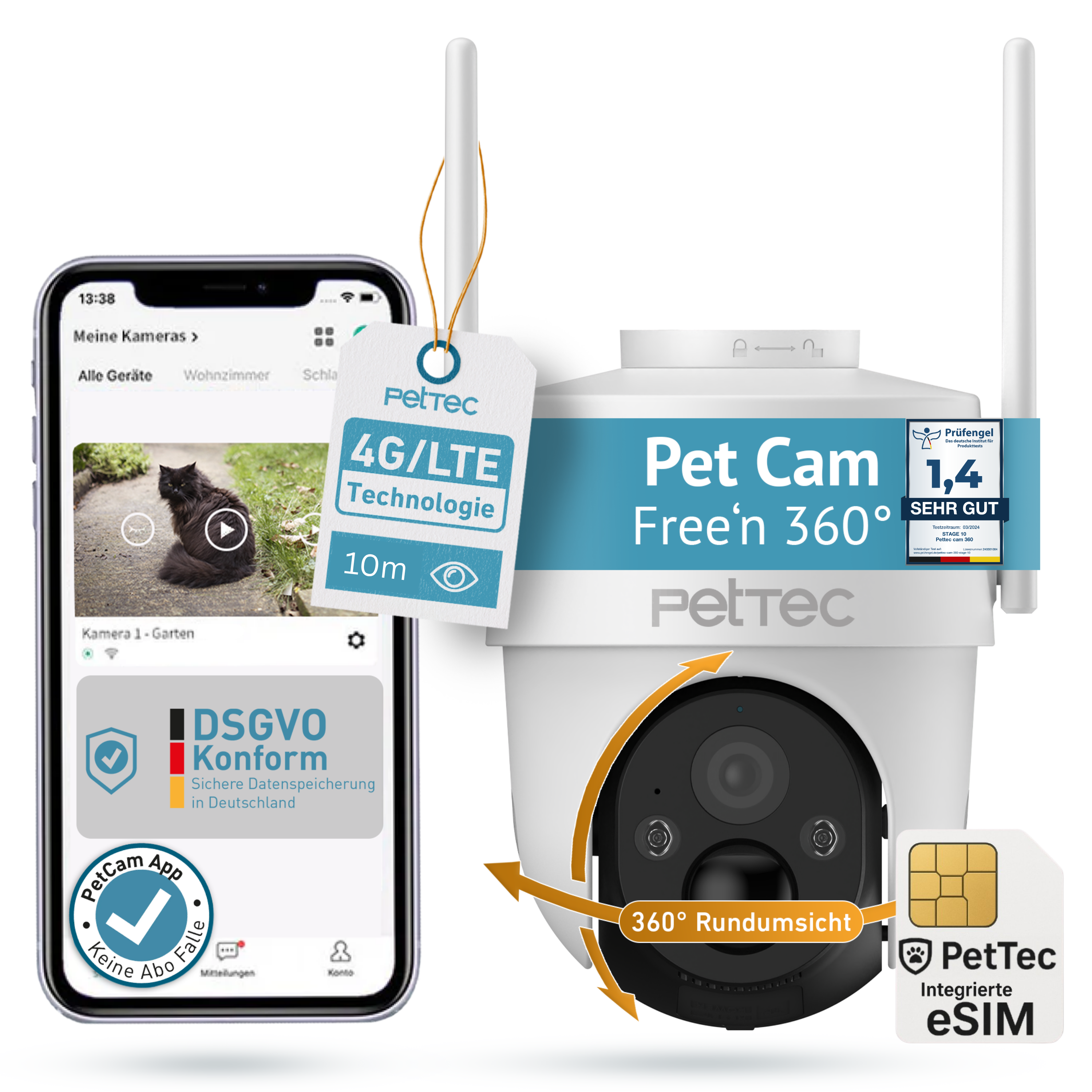

Save 30,00 €
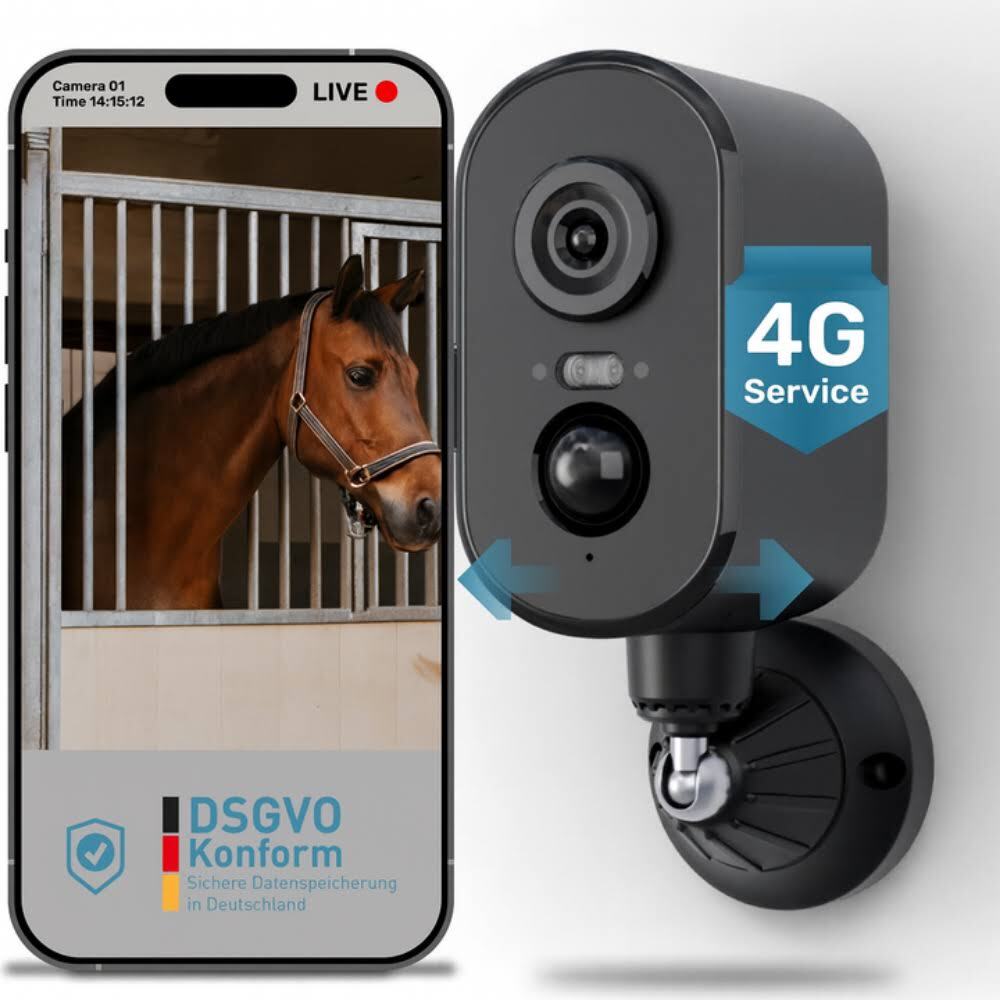
Save 18,00 €
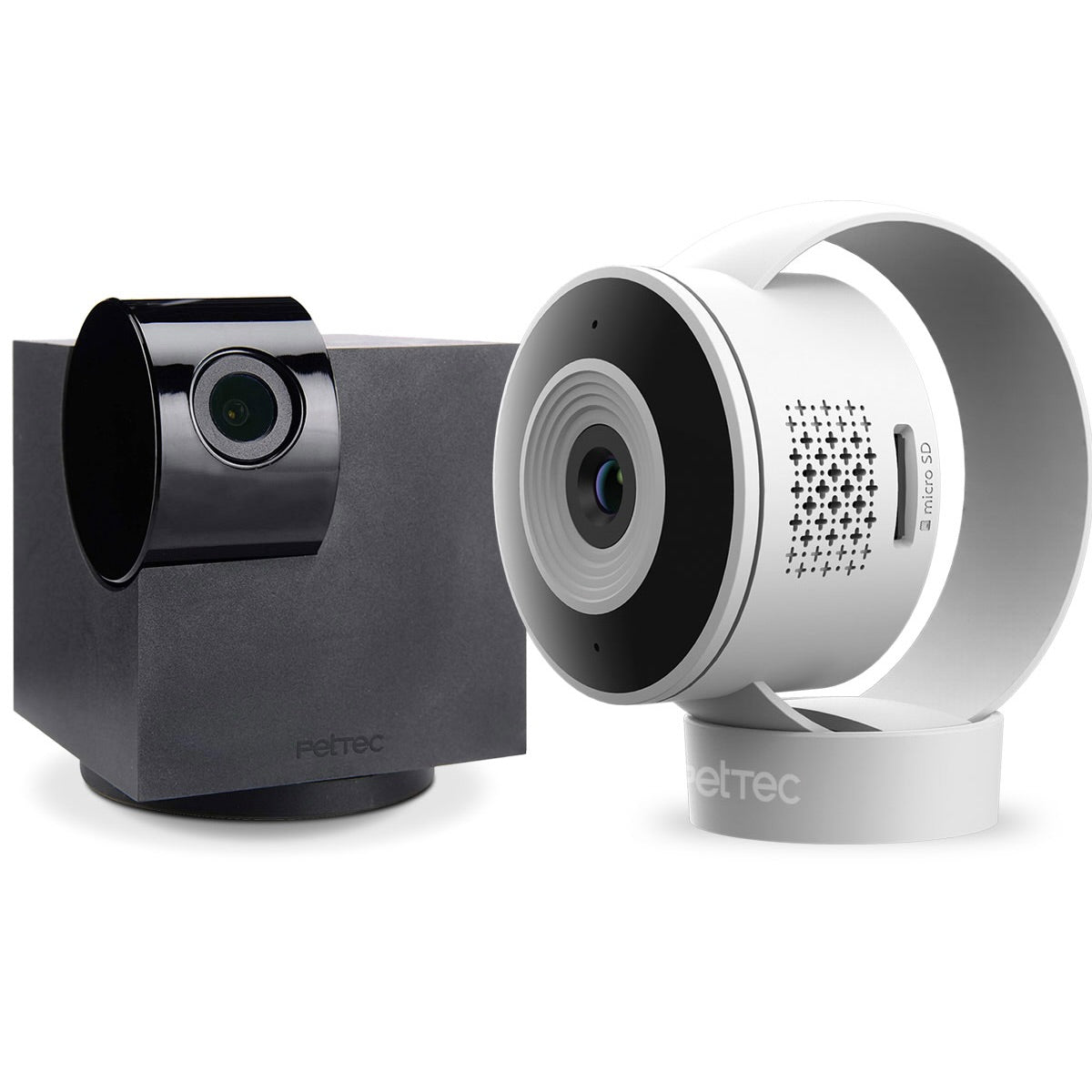
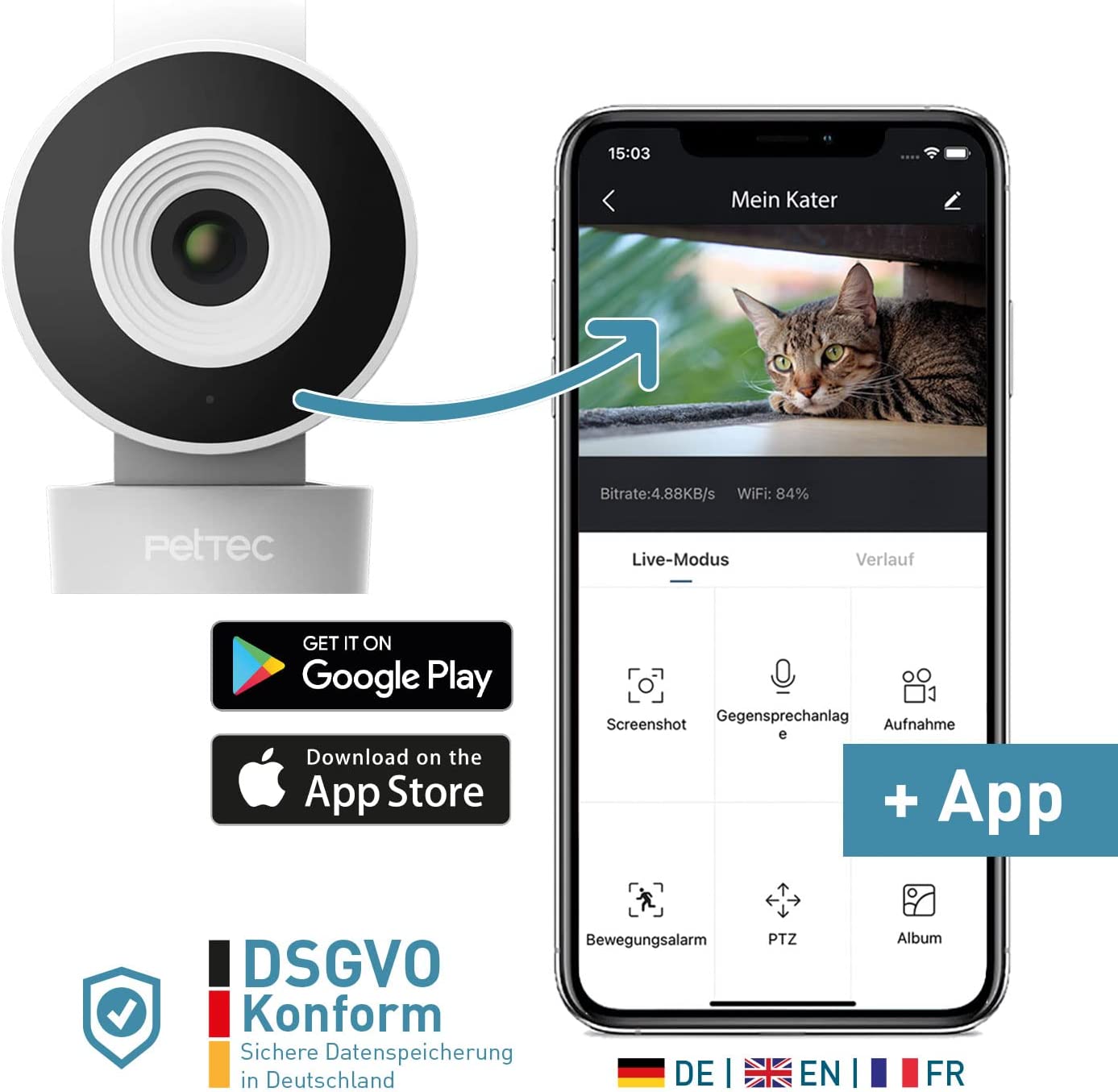
To the other lessons