Kostenloser Versand ab 50 Euro
 500.000+ zufriedene Kunden
 TÜV-ShopIdent geprüft
 30 Tage Geld-zurück-Garantie

What will I learn here?
Security is not just a product, it's a process
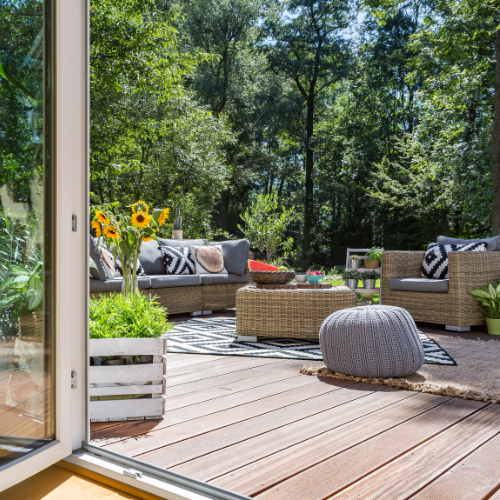
Garden protection through structure and nature
Fences and Gates: A robust fence with a secure gate is the first line of defense. Ensure the fence is high enough to deter climbing and that the gate is secured with a strong lock. Avoid easily scalable designs or provide additional protection with barbed wire or spiked toppers on the fence.
Lighting: Install motion-sensor lights around your garden and along pathways. Burglars avoid well-lit areas, so proper lighting can be a deterrent while also making your garden path safer.
- Thorny Plants: Use nature as your ally by planting thorny or spiky plants along the fence. Roses, barberries, or pyracantha are not only aesthetically pleasing but also a natural barrier against intruders.
- Security of Garden Tools and Furniture: Secure garden tools and furniture by storing them in lockable sheds or garages. Tools left lying around can be used by burglars as aids.
While not all security cameras prevent crimes, research shows that they often have a deterrent effect
Surveillance Technologies: Digital Eyes in the Green
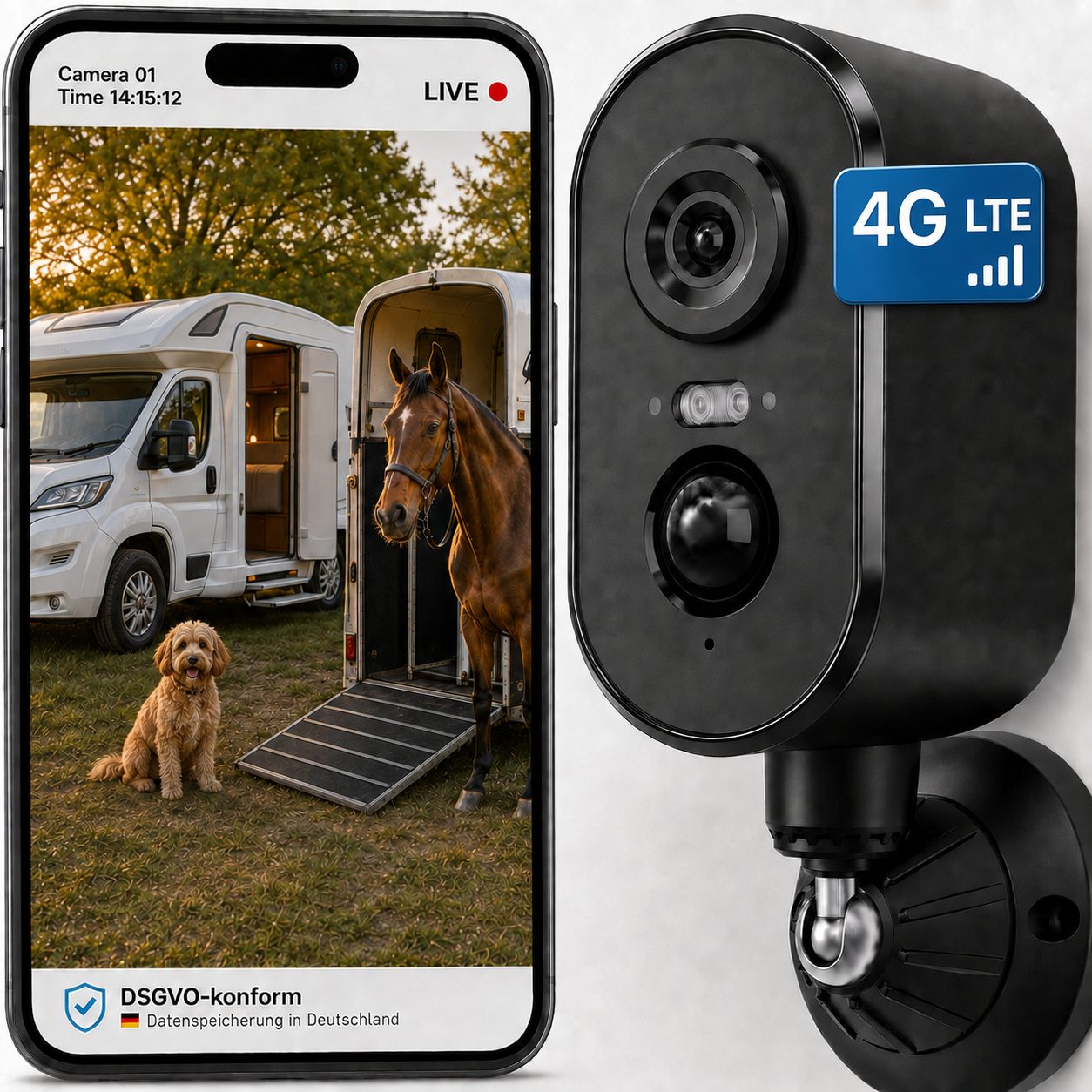
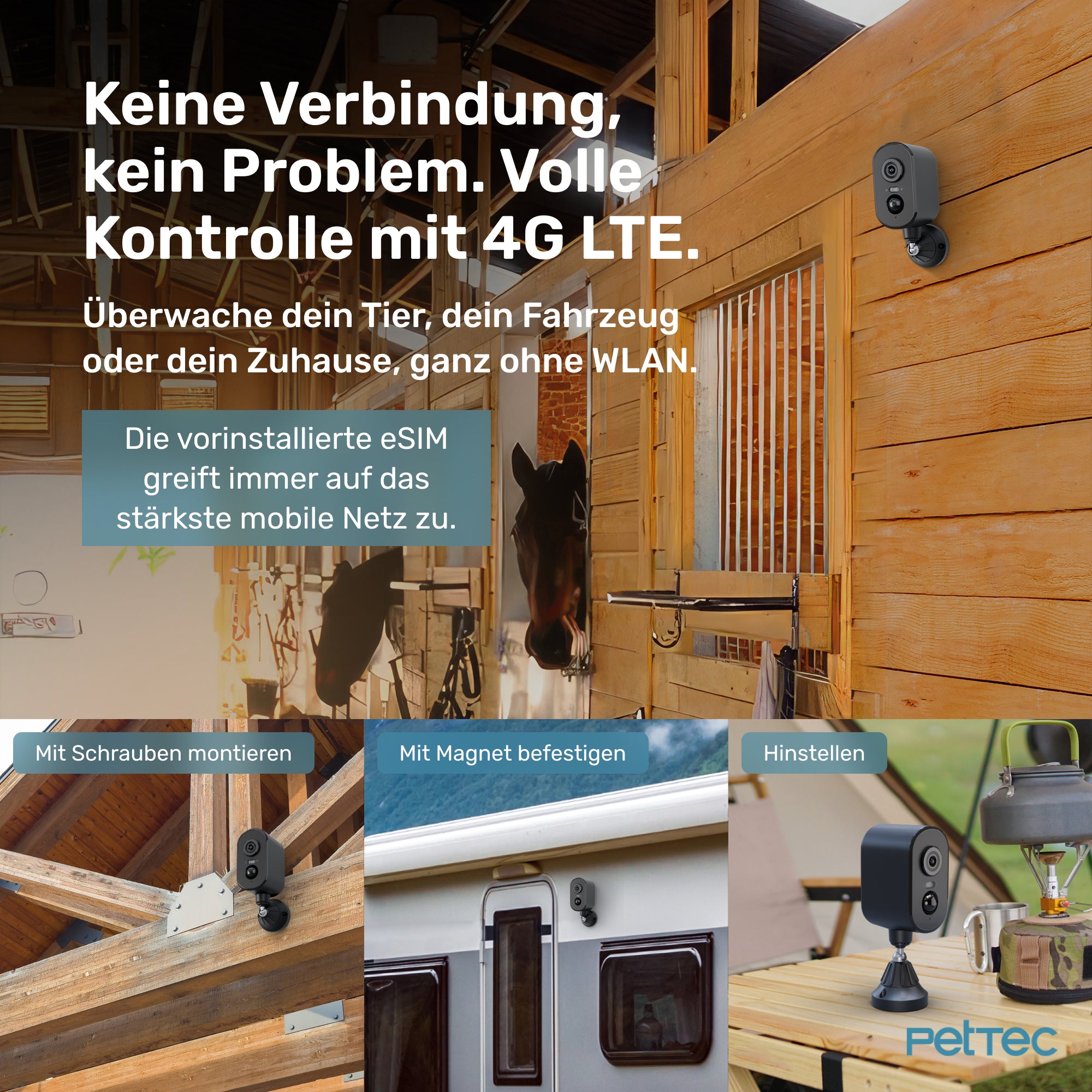
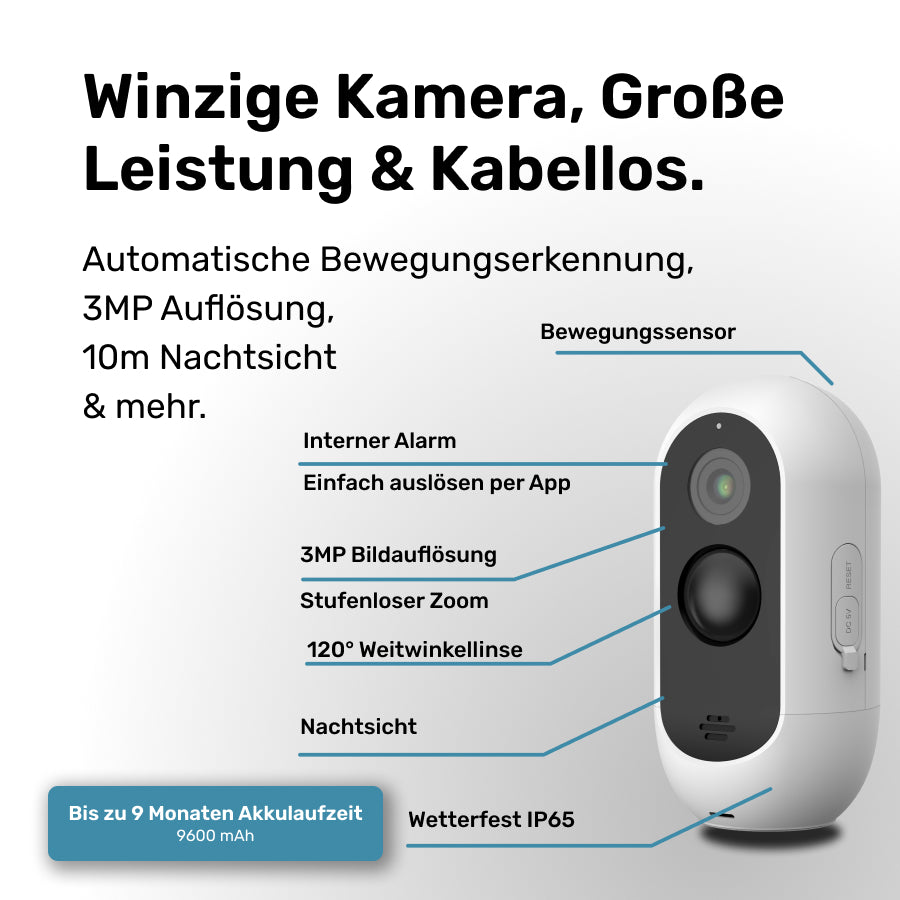
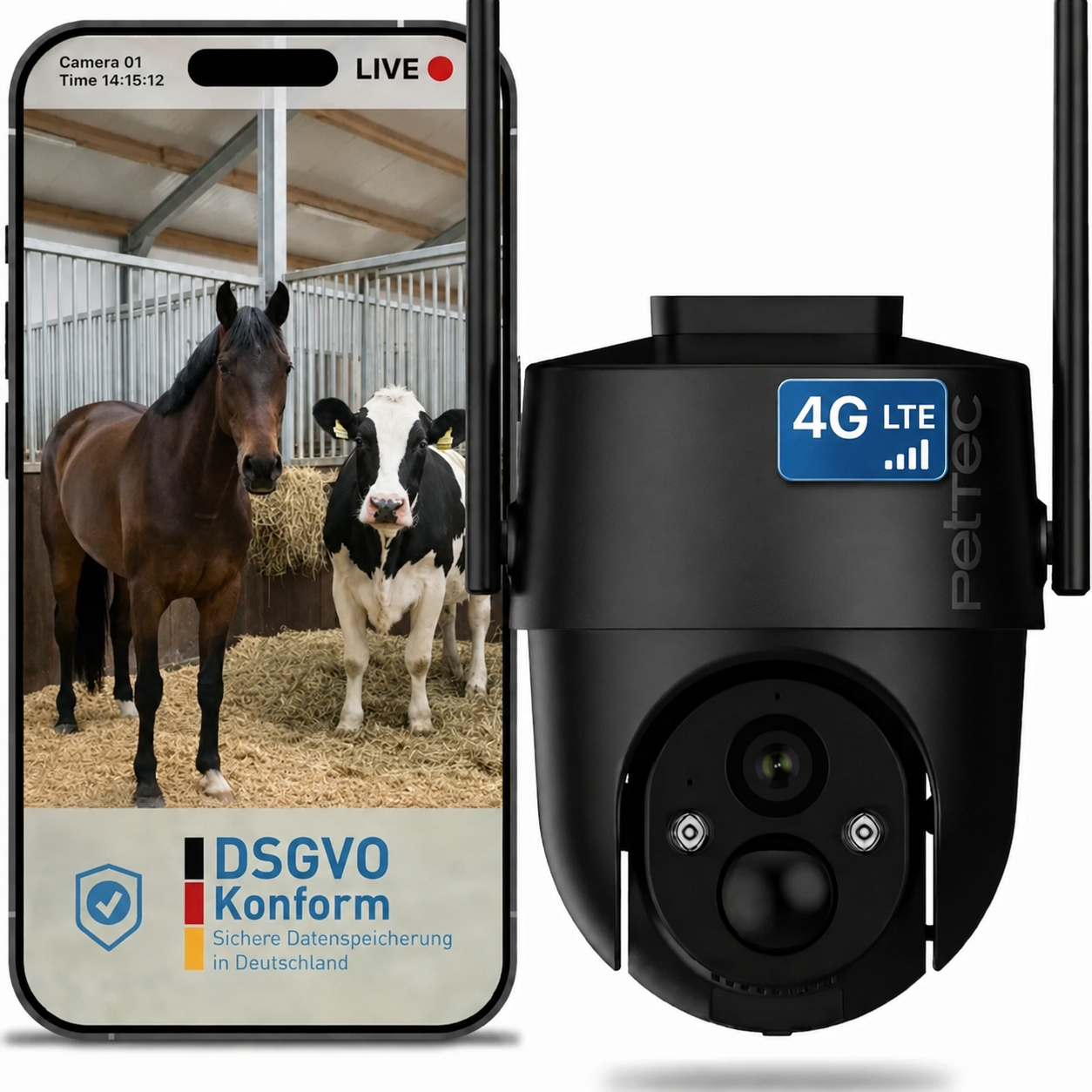
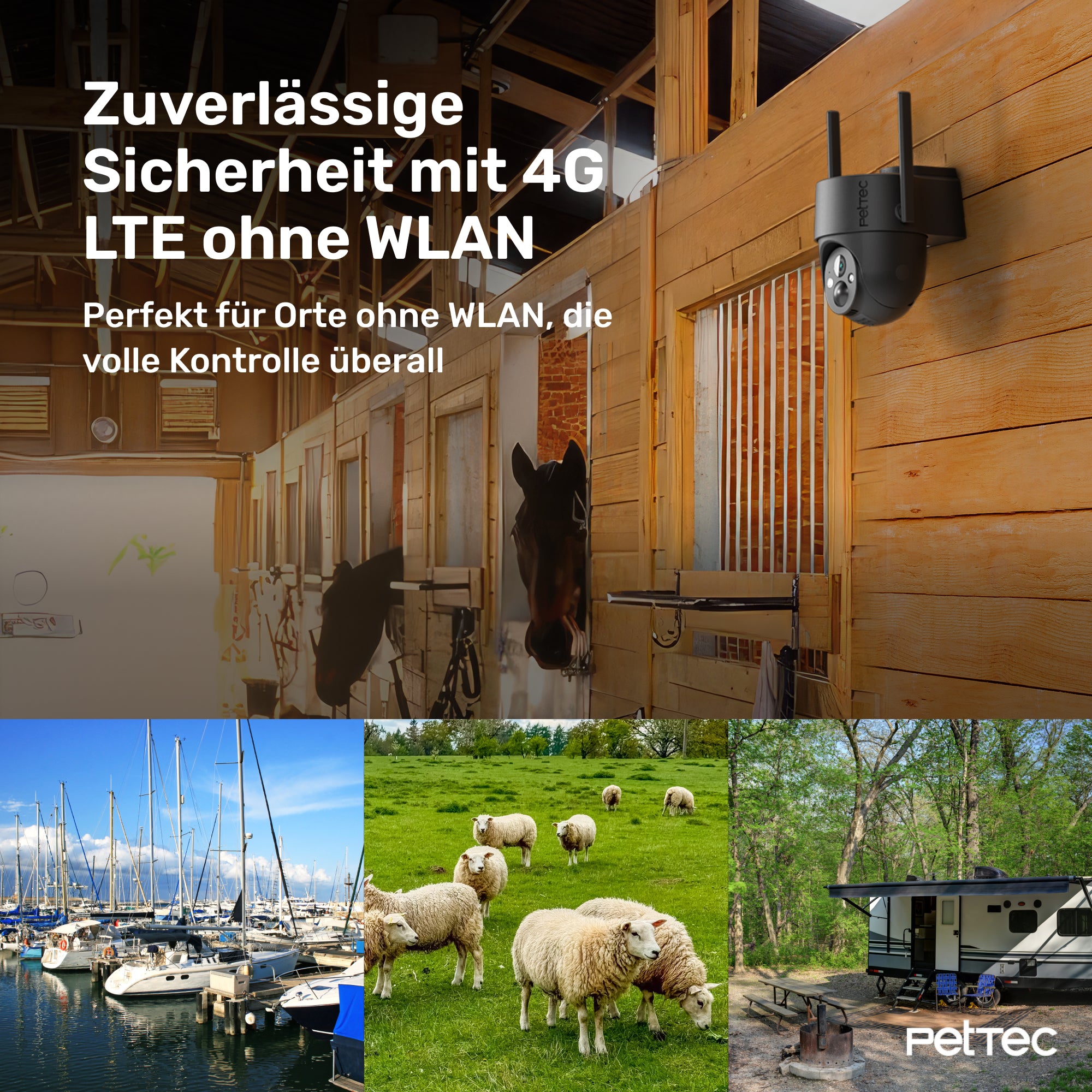
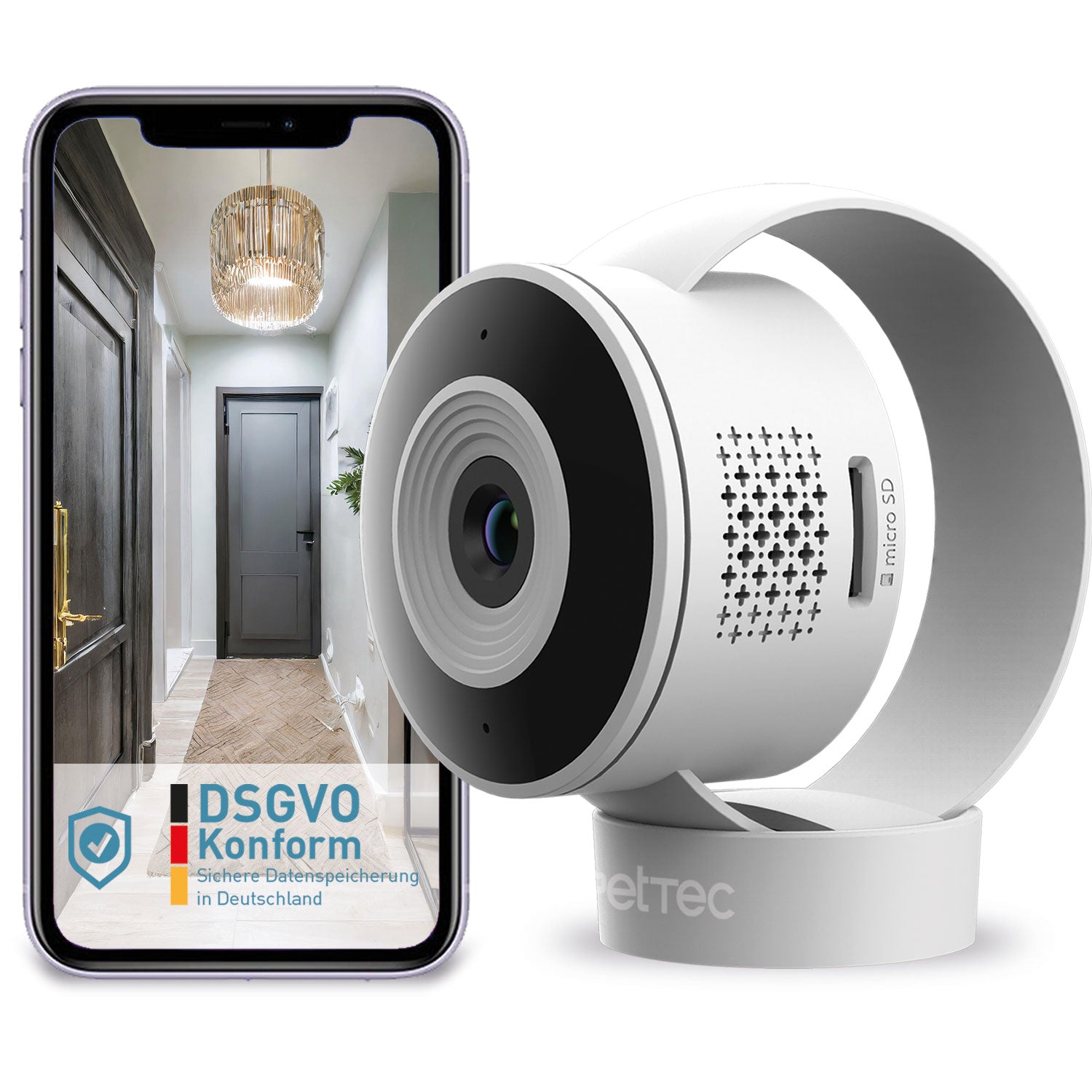
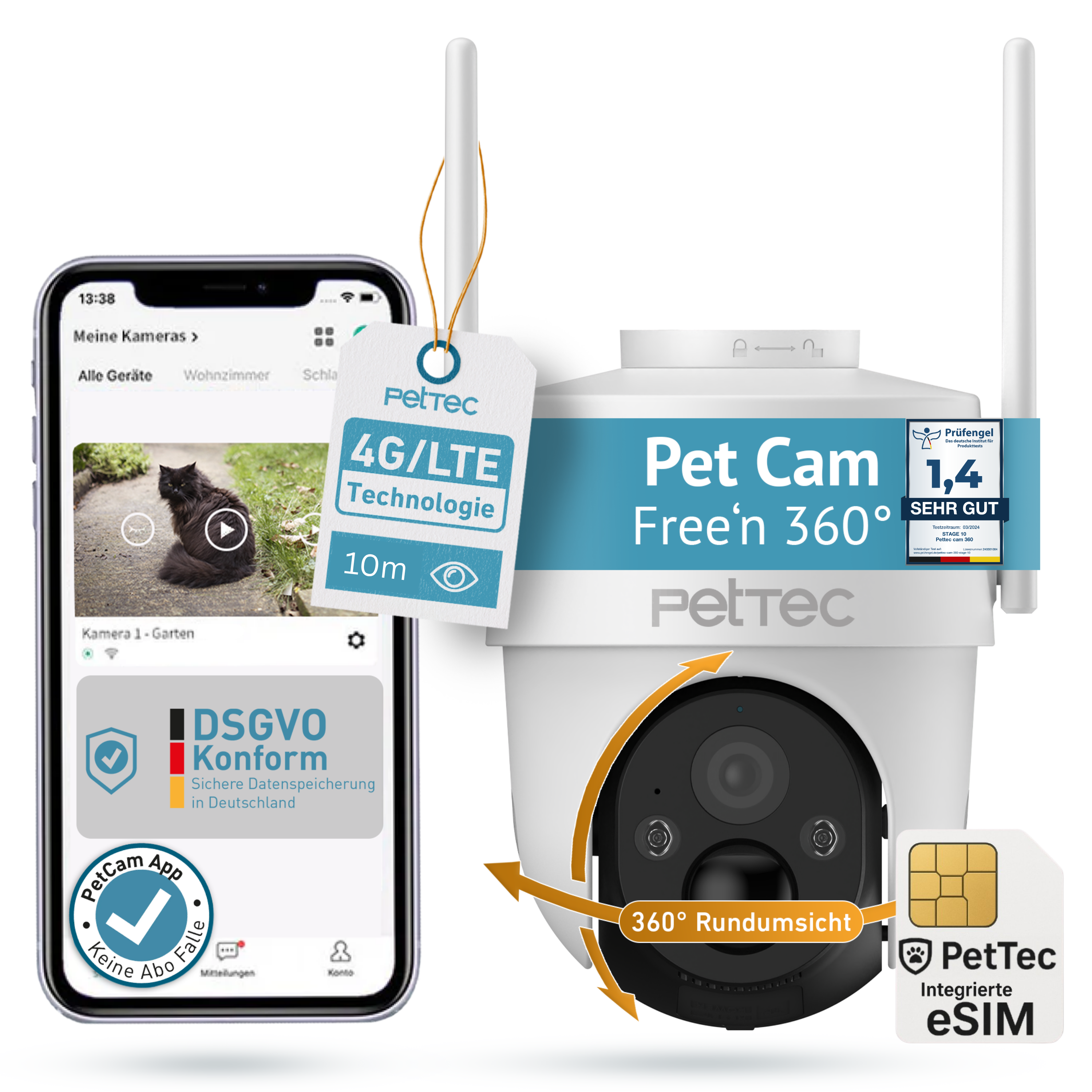
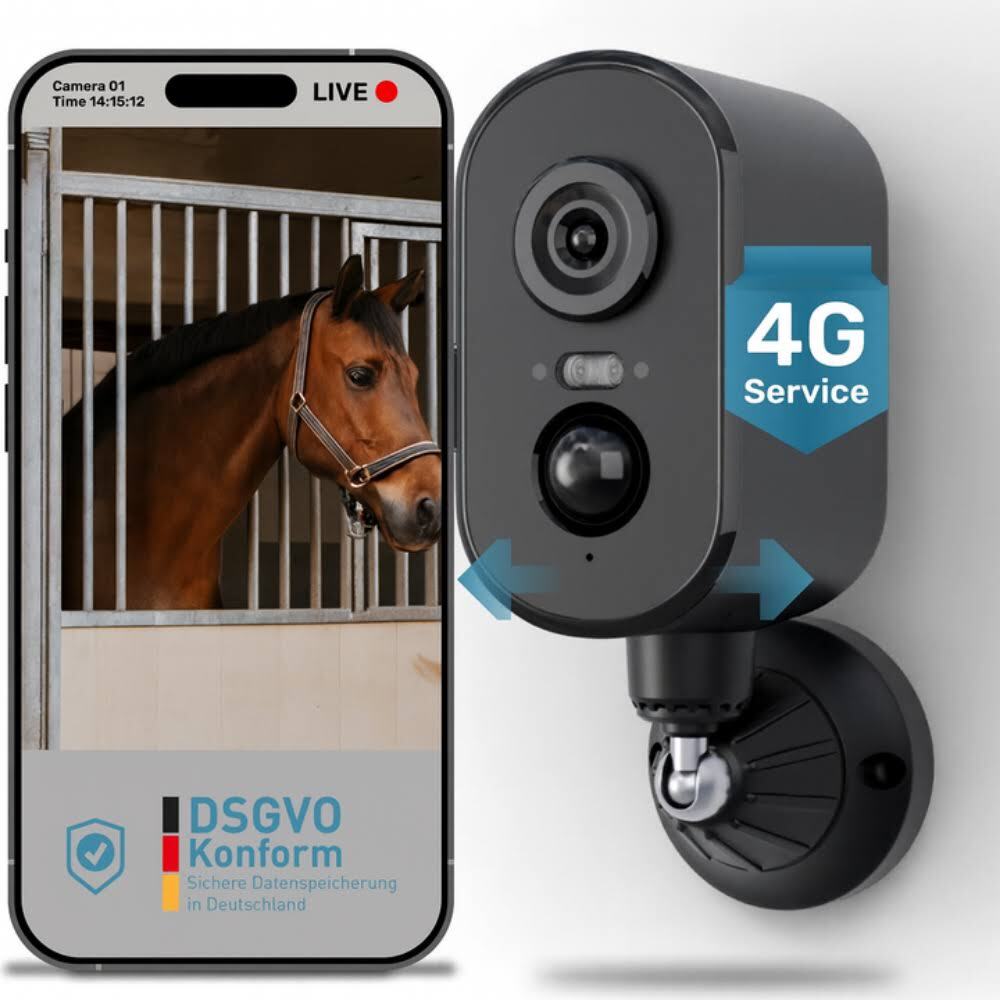
- Outdoor Cameras: Install weatherproof surveillance cameras that overlook the garden and all access points to the house. These cameras can be connected to your smartphone, so you always know who is in your garden.
- Motion Sensors: Supplement your cameras with motion sensors that detect any unusual activity in the garden and immediately alert you or start recording.
- Smart Home Systems: Integrate your outdoor surveillance into a smart home system. This allows you to remotely control lights, cameras, and even irrigation systems, which also deters potential burglars.
- GPS Trackers for Valuable Garden Objects: For particularly valuable items in your garden, such as sculptures or expensive machinery, you can use GPS trackers. These small devices help you locate your possessions if they are stolen.
Your Safety Helpers
Save 30,00 €

Save 30,00 €

Sold out



Save 30,00 €
Save 18,00 €
To the other lessons