Kostenloser Versand ab 50 Euro
 500.000+ zufriedene Kunden
 TÜV-ShopIdent geprüft
 30 Tage Geld-zurück-Garantie


What do I learn here?
Introduction to Home Monitoring
take me there →Technical Principles
take me there →Legal Basis
take me there →Security is not just a product, it's a process
Introduction to Home Monitoring
Definition and Purpose: Home surveillance involves the use of technical systems and devices to enhance the security of your home. The main goal is to protect your property from burglaries, enable real-time monitoring, and provide evidence in the event of an incident.
All About Surveillance Cameras
Types of Surveillance Cameras
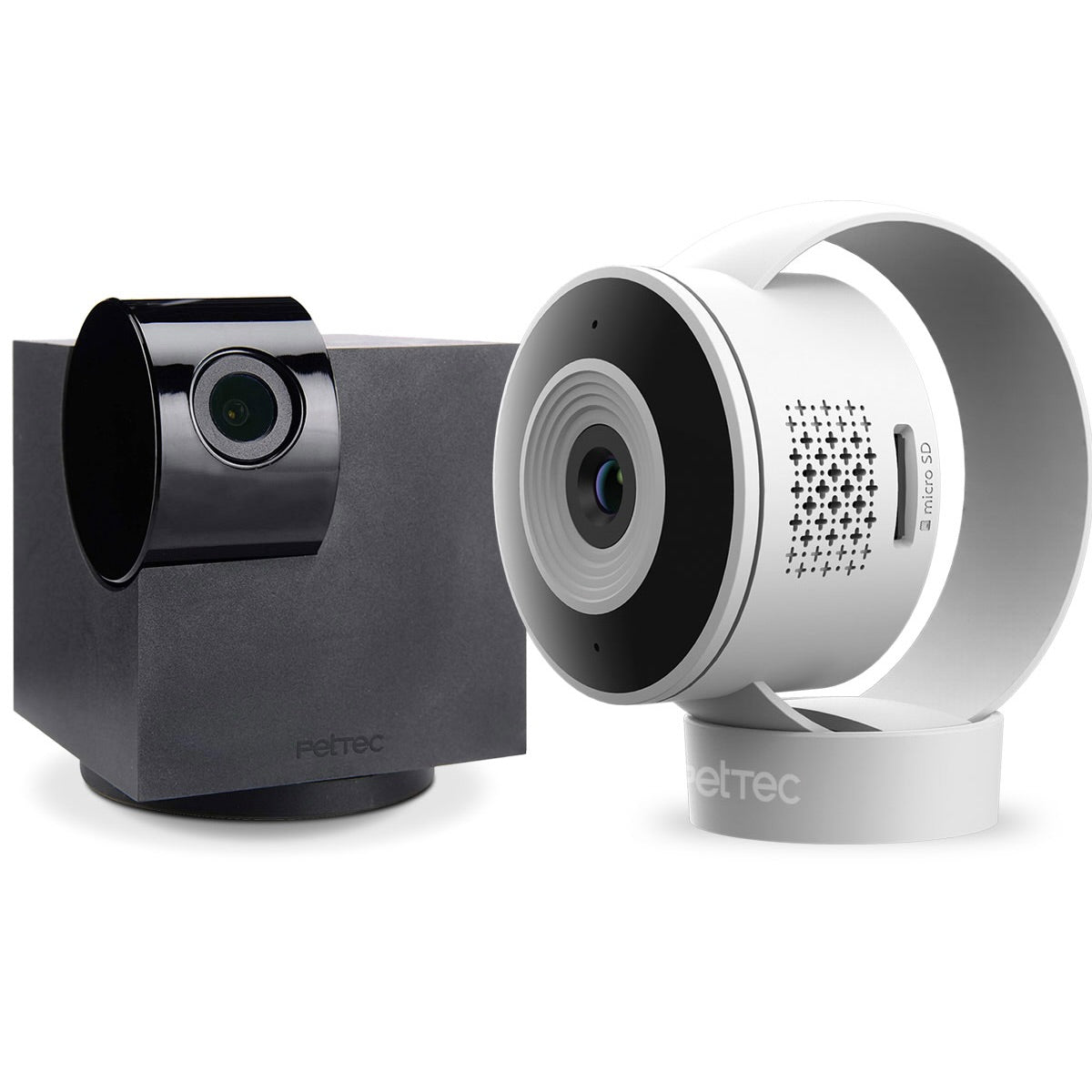
- 360° Surround View Ideal for a comprehensive overview.
- Outdoor Cameras Weather-resistant and robust, perfect for outdoor use.
Important Functions and Technologies
- HD Video Quality: Crystal-clear images for better monitoring.
- Motion Detection: Notifications for suspicious movements.
- Night Vision: Clear recordings even in darkness.
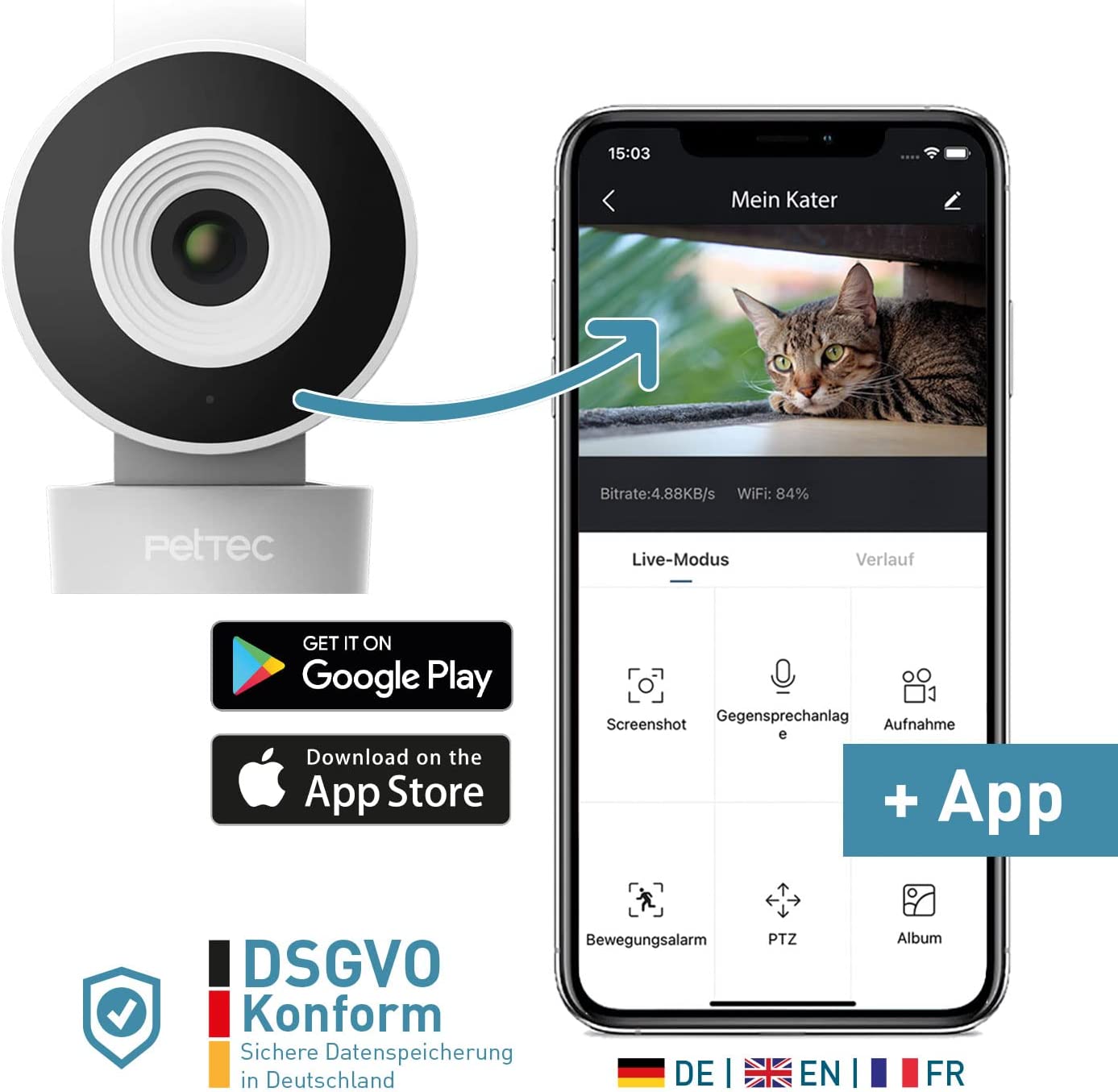
- Live Streaming: Access the camera feed anytime.
- Cloud Storage: Secure storage of recordings, accessible from anywhere.
Setup and Optimal Placement
- Correct Installation: Important for the effectiveness of surveillance.
- Placement: Install cameras at entry points and key areas.
- Avoiding Blind Spots: Careful alignment for seamless monitoring.
While not all security cameras prevent crimes, research shows they have a deterrent effect in many cases.

Fascinating Insights into the Legal Basis of Surveillance in Germany
- Laws: The Federal Data Protection Act (BDSG) and the Telemedia Act (TMG) regulate the use of surveillance cameras.
- Data Protection: Surveillance must ensure the protection of personal data. The protection of the personal rights of the filmed individuals is important.
- Duty to Inform: Clearly visible signs indicating video surveillance are mandatory.
- Restrictions: Surveillance of public areas such as sidewalks or streets is not permitted without special authorization and without urgent necessity.
Smart and Secure: How to Handle Recorded Data
- Protect personal data: Your video recordings contain sensitive information that must be handled in accordance with data protection regulations.
- Temporary storage: Store the data only as long as necessary and delete it as soon as it has fulfilled its purpose.
Ethical Considerations and Neighbor-Friendly Solutions
- Respect privacy: Be careful not to violate the privacy of your neighbors. Unauthorized recordings can lead to legal problems.
- Transparency and communication: Explain openly to your neighbors why you are installing surveillance cameras. Inform them and take their concerns seriously – this builds trust.
- Security vs. privacy: Find the perfect balance between your need for security and respect for your neighbors' privacy. Plan the placement of your cameras carefully to avoid conflicts.
Your safety assistants
Save 30,00 €


Save 30,00 €
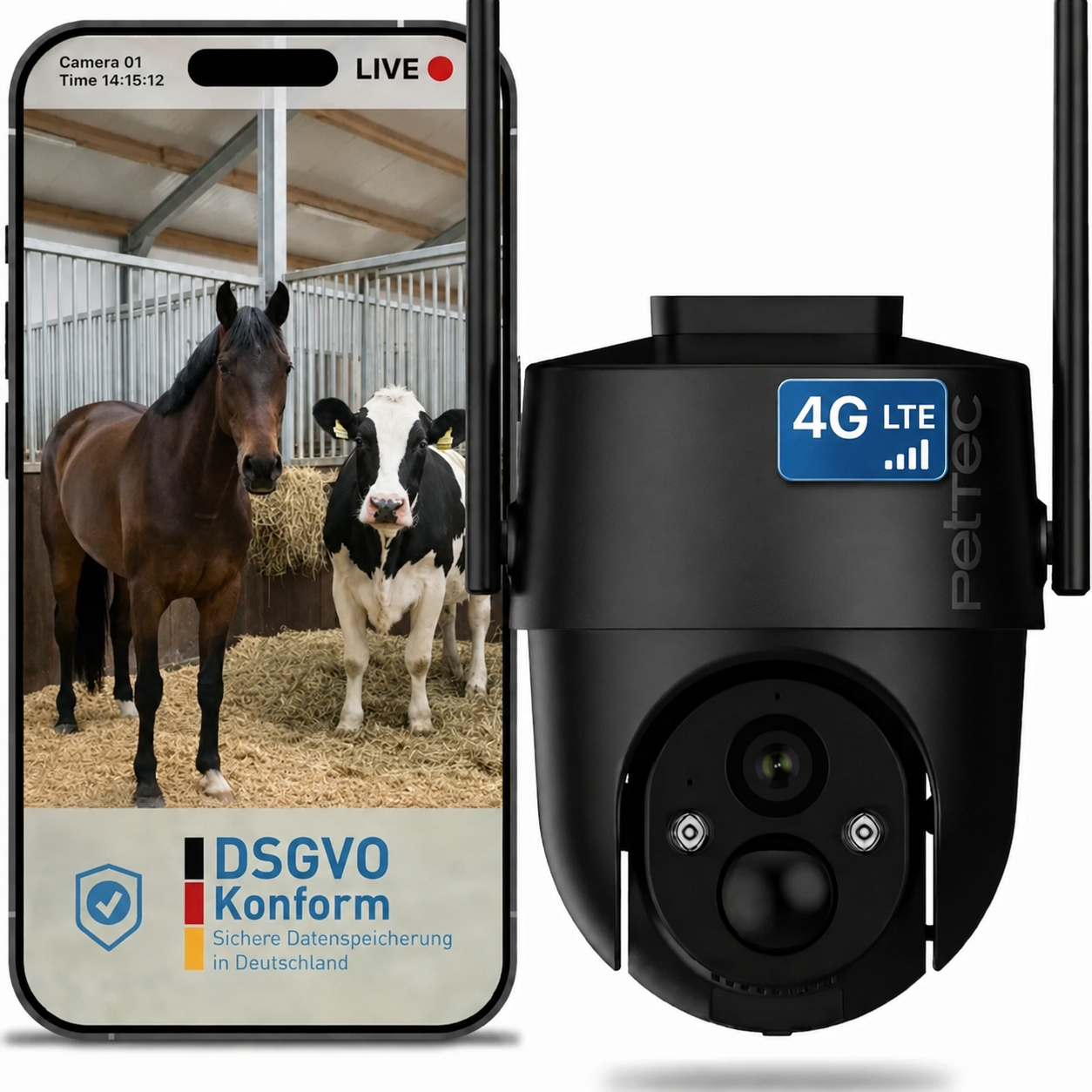

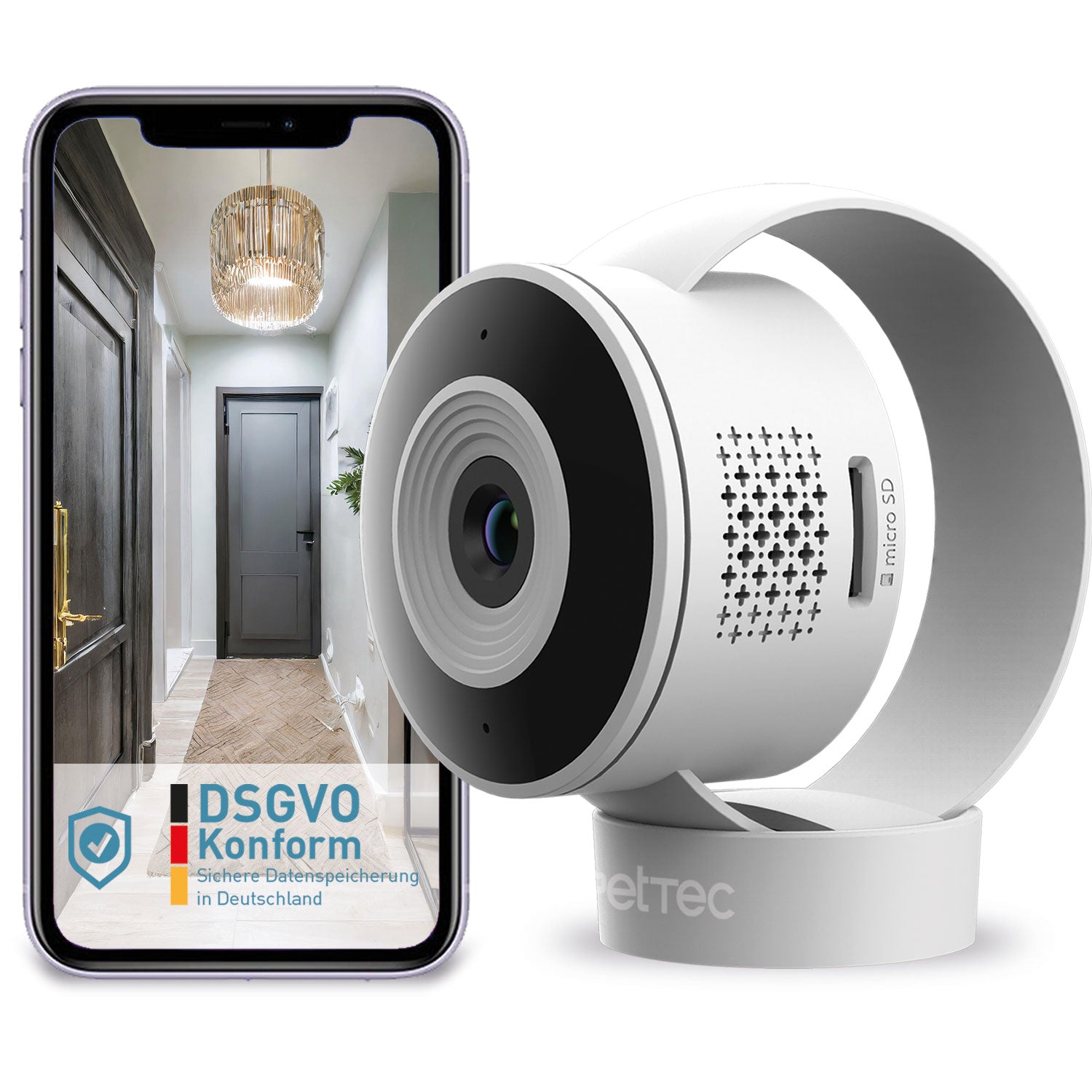

Sold out


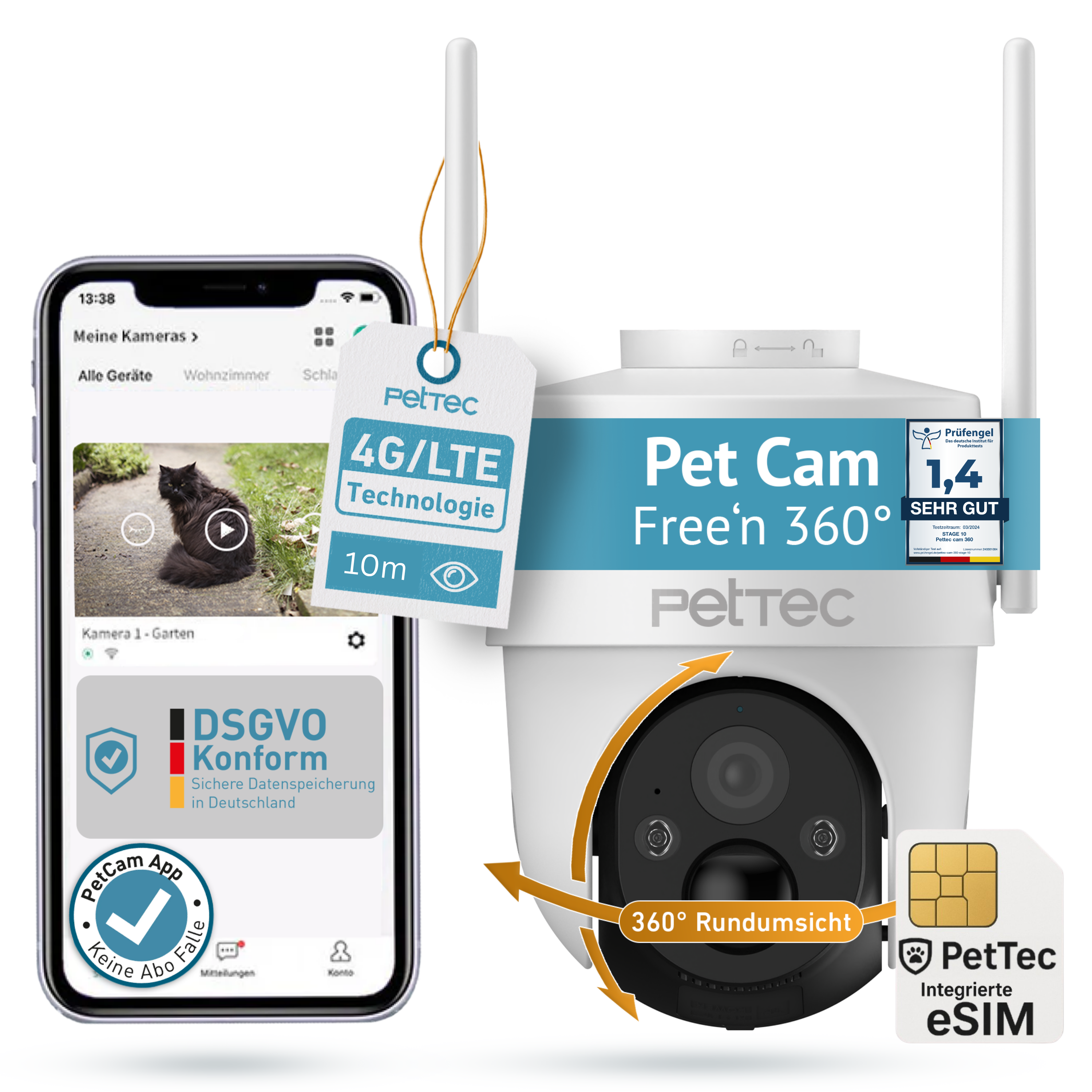

Save 30,00 €
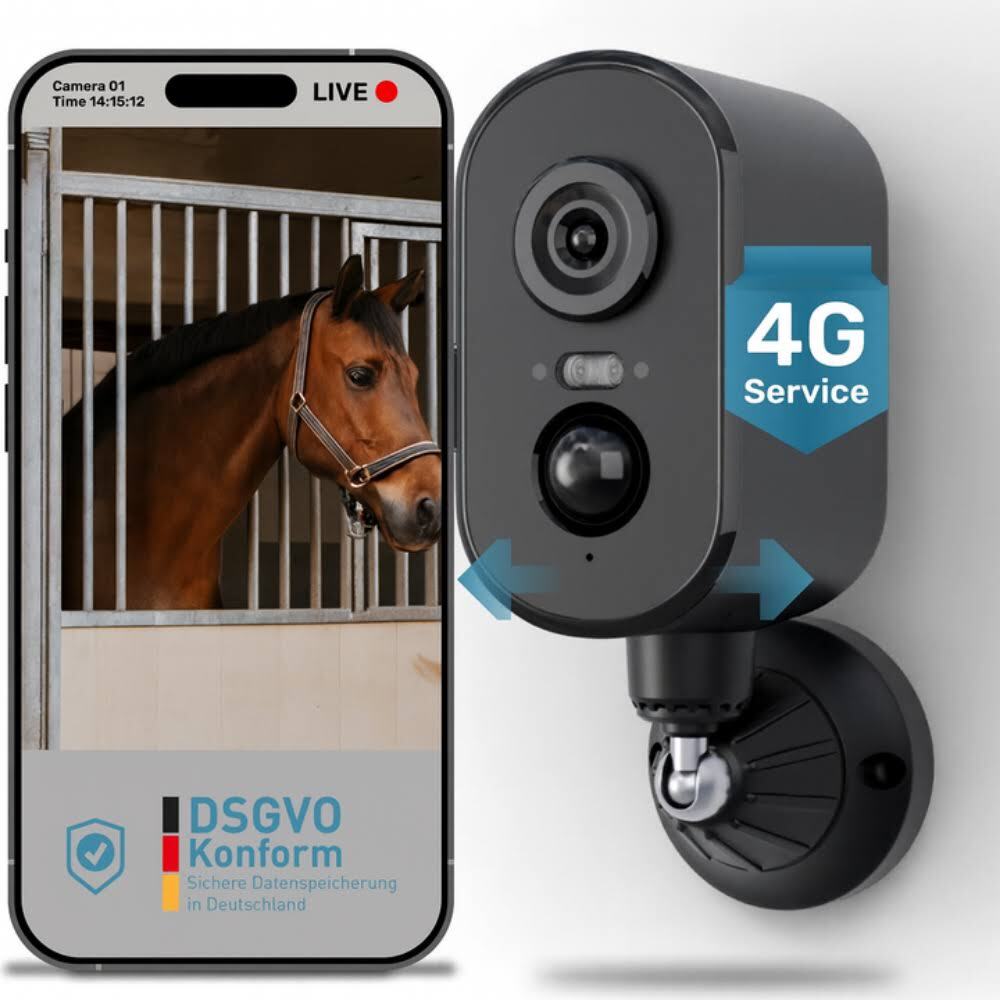
Save 18,00 €
To the other lessons