Kostenloser Versand ab 50 Euro
 500.000+ zufriedene Kunden
 TÜV-ShopIdent geprüft
 30 Tage Geld-zurück-Garantie

To further extend the lifespan of your outdoor security cameras, regular maintenance is also advisable. Check the camera and its components for signs of wear or damage, such as corrosion or loose cables, and carefully clean the lens to ensure that image quality is not affected by dust, dirt, or cobwebs. Another important point is proper cable routing: ensure that all cables are well insulated and protected from possible weather influences to prevent short circuits or other electrical problems.
Which word should you use for recall with your dog?
Our Newsletter
Unlock exclusive benefits
Discover PetTec
Our bestsellers for you & your pet
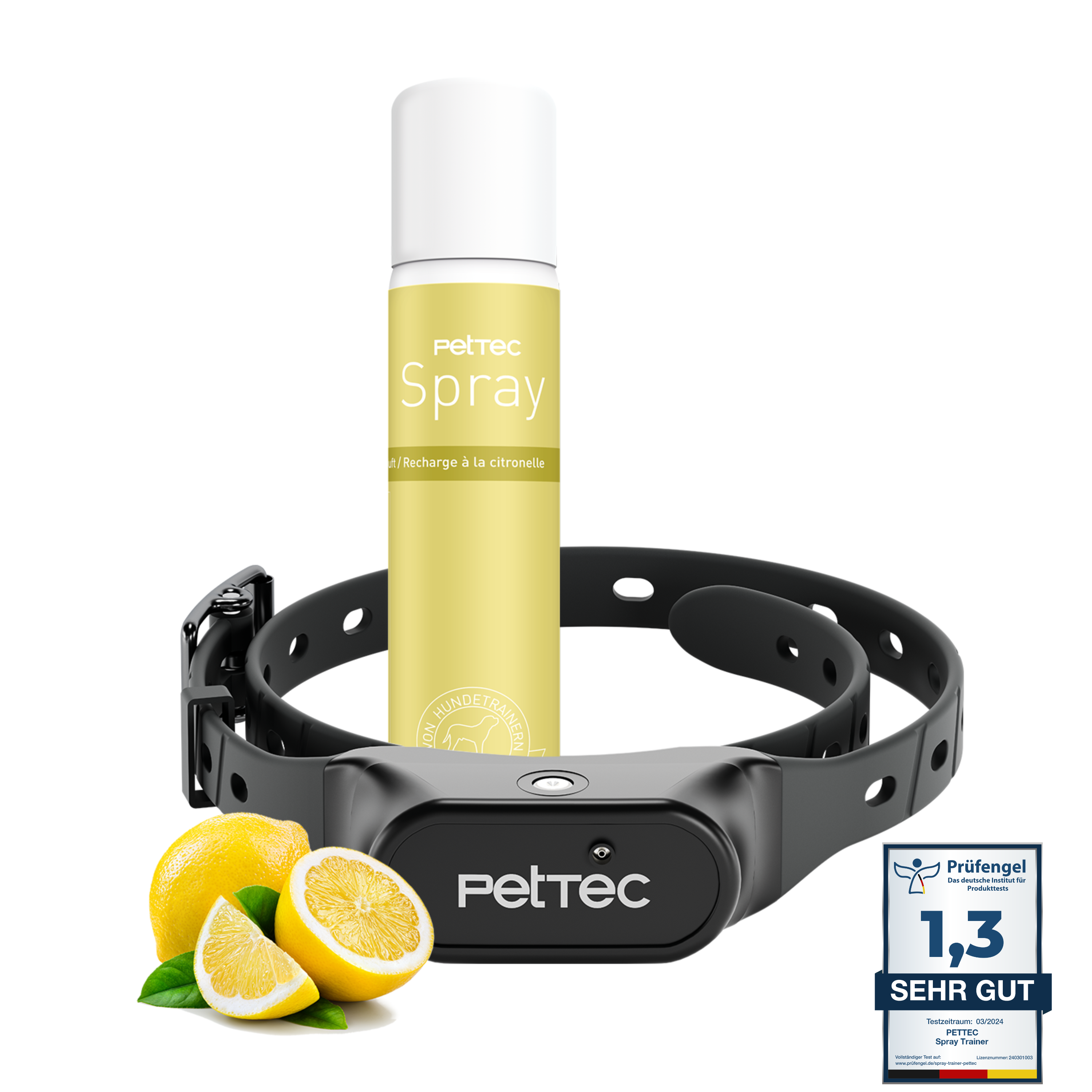
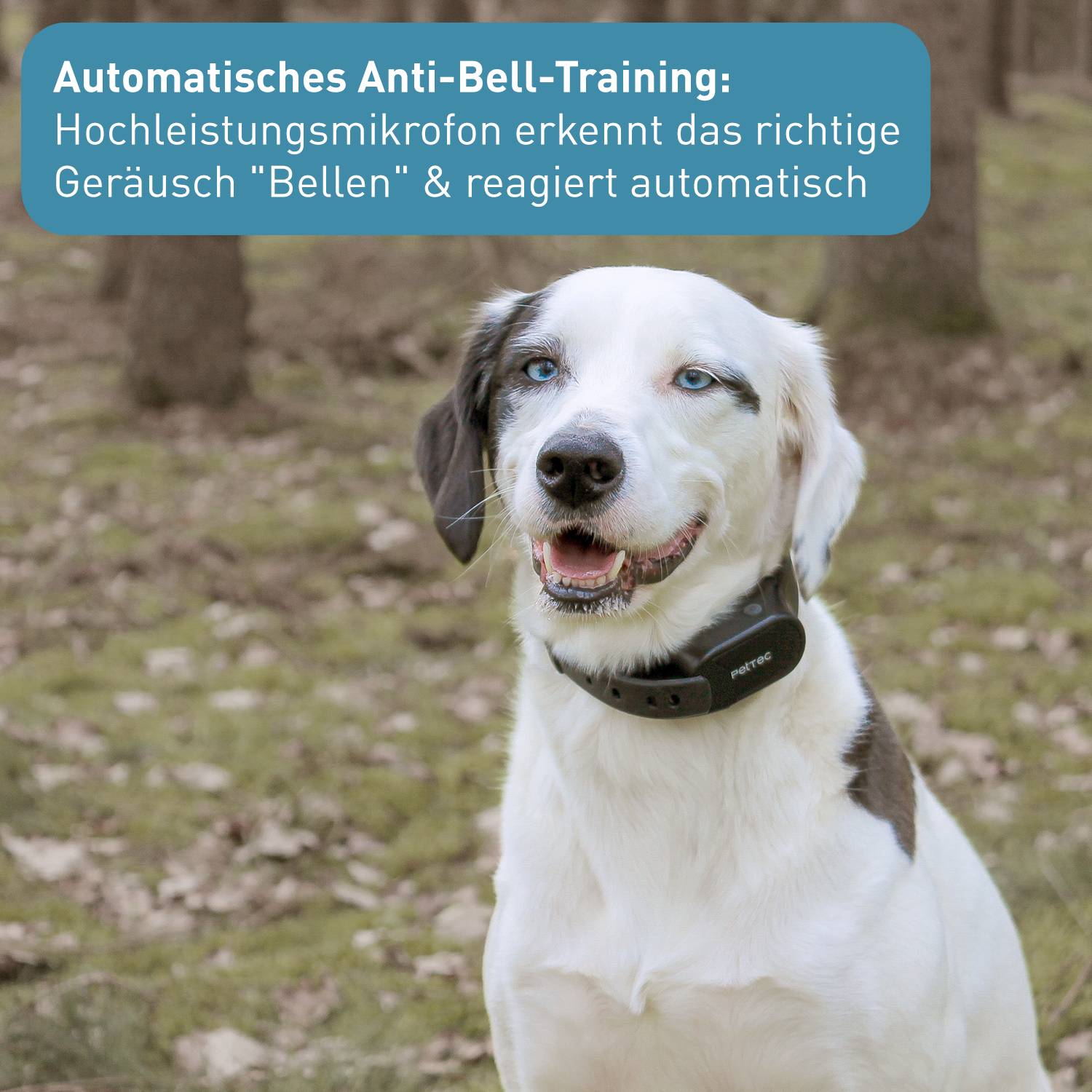
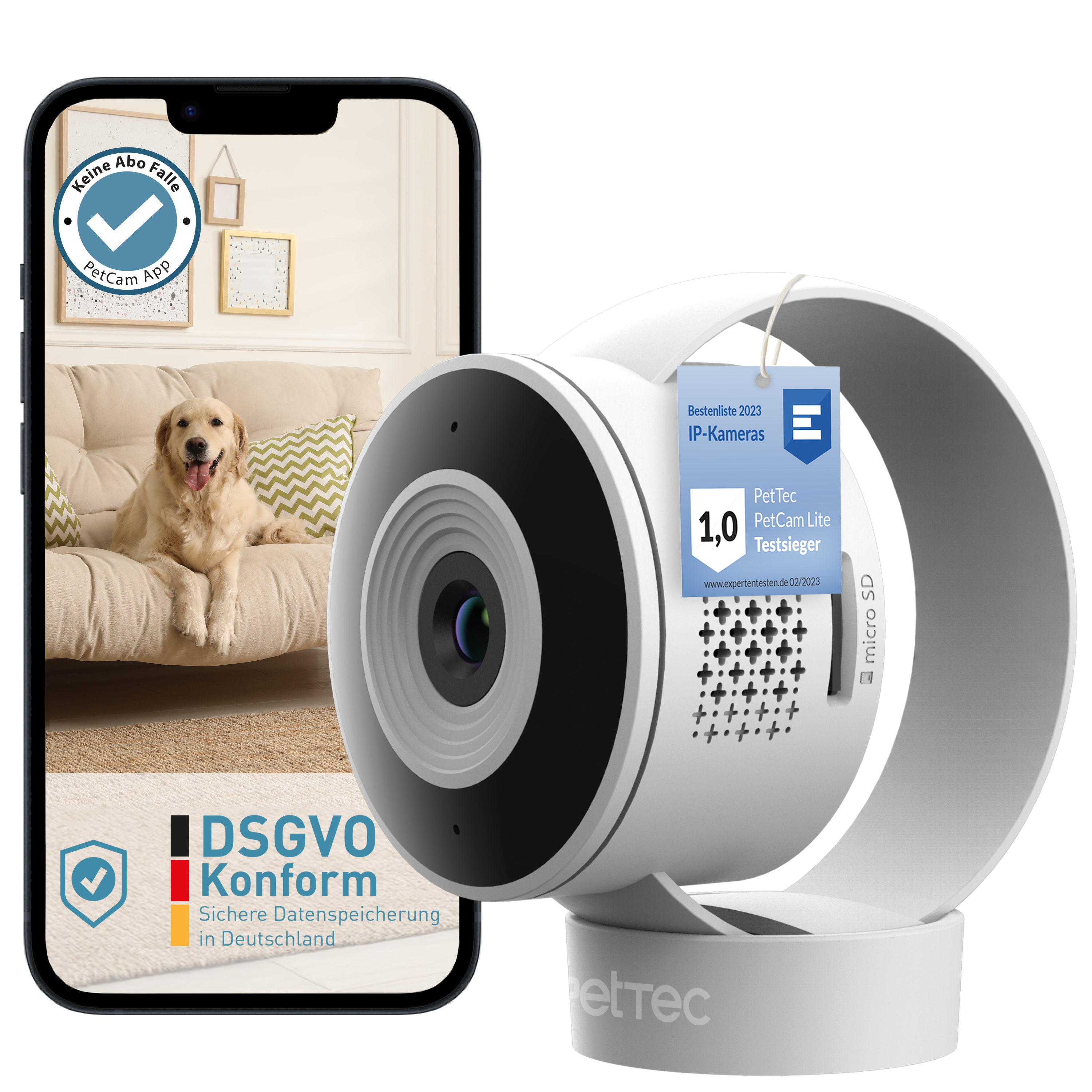
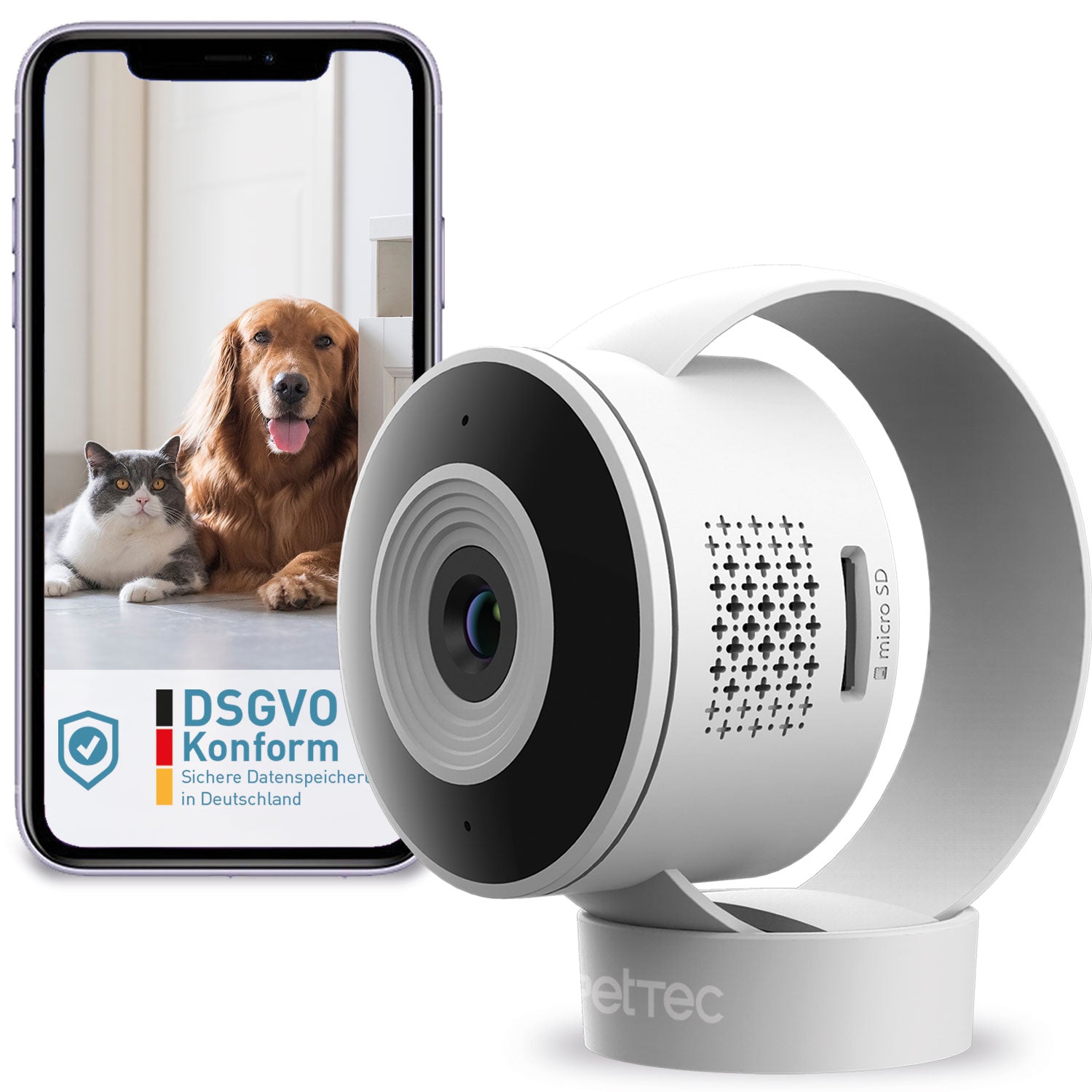
Save 30,00 €
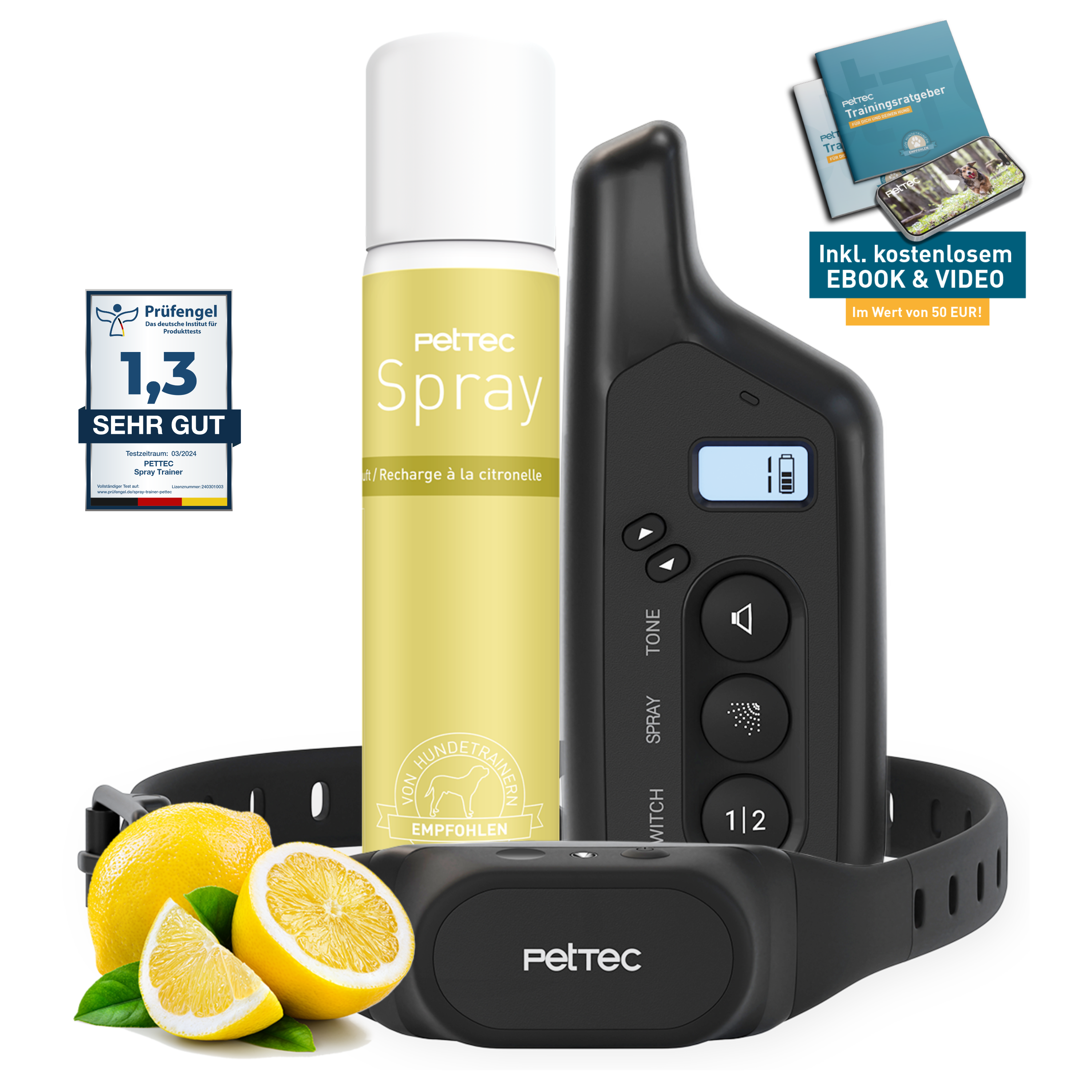
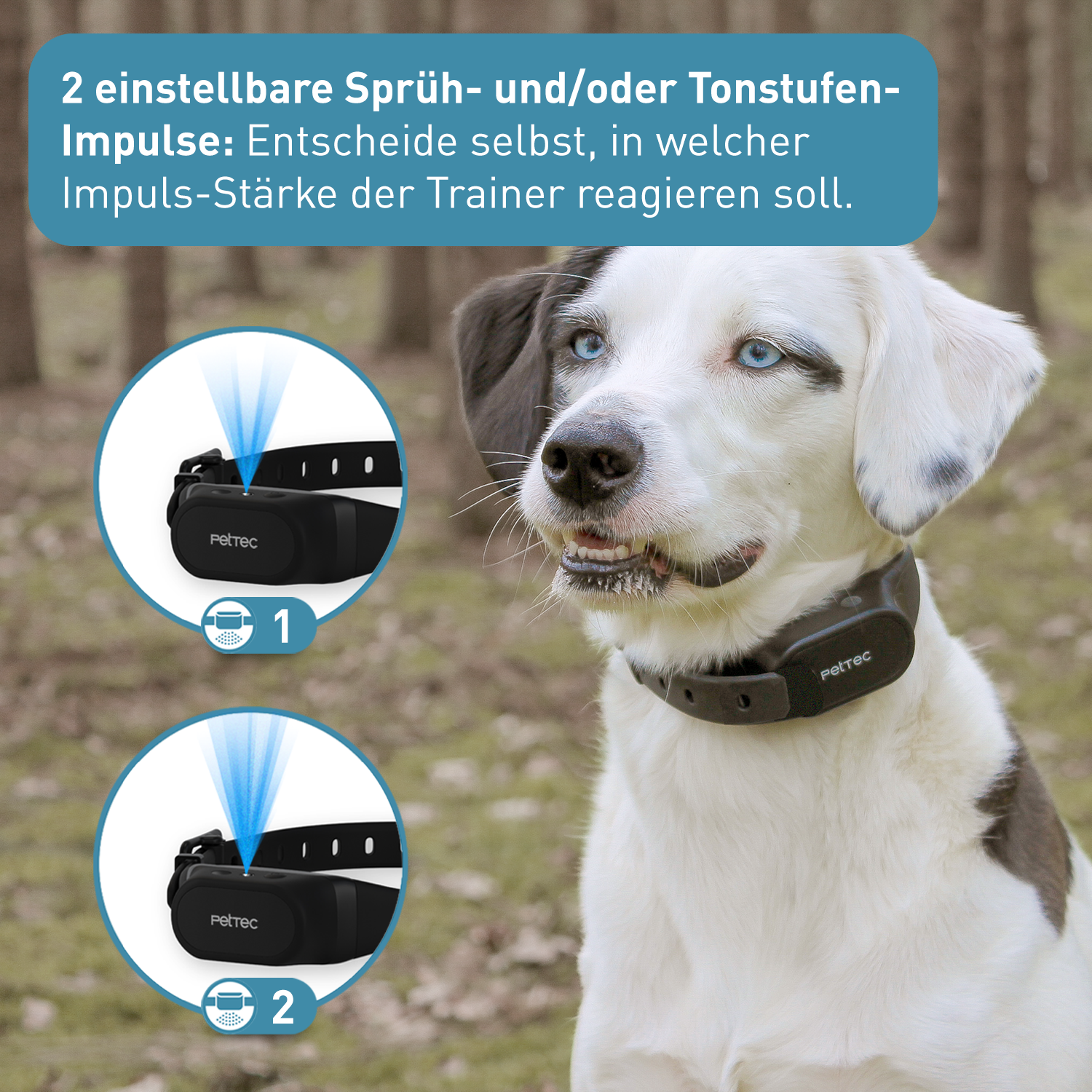
Save 10,00 €